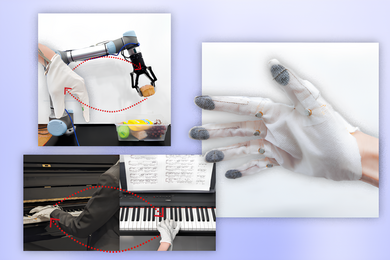
Smart glove teaches new physical skills
Adaptive smart glove from MIT CSAIL researchers can send tactile feedback to teach users new skills, guide robots with more precise manipulation, and help train surgeons and pilots.
Adaptive smart glove from MIT CSAIL researchers can send tactile feedback to teach users new skills, guide robots with more precise manipulation, and help train surgeons and pilots.
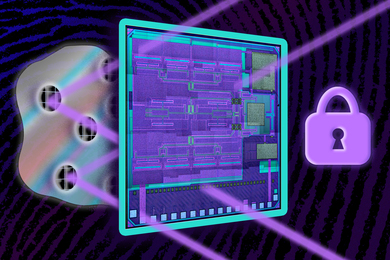
MIT engineers developed a tag that can reveal with near-perfect accuracy whether an item is real or fake. The key is in the glue on the back of the tag.
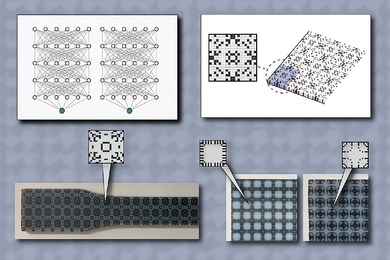
Innovative AI system from MIT CSAIL melds simulations and physical testing to forge materials with newfound durability and flexibility for diverse engineering uses.
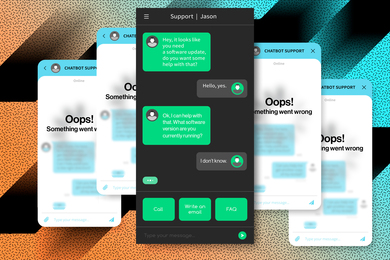
Researchers developed a simple yet effective solution for a puzzling problem that can worsen the performance of large language models such as ChatGPT.

Scientists quantify a previously overlooked driver of human-related mercury emissions.
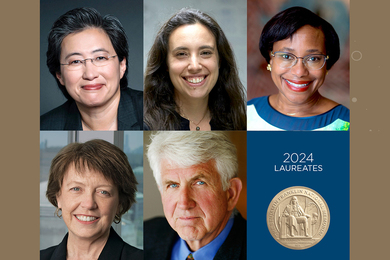
Two professors and three additional alumni recognized for “dreaming up solutions to global challenges — advancing health, sustainability, and human connection.”
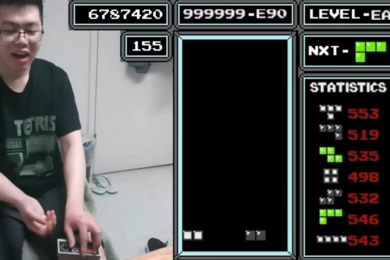
In a Q&A, the reigning Classic Tetris World Champion describes his recent game crash — and the behind-the-scenes race that led him and fellow player Willis “BlueScuti” Gibson to record achievements.

Richard Lester describes an emerging new initiative that will back climate efforts at the Institute and find outside partnerships to drive actionable innovation.

The method lets researchers identify and control larger numbers of atomic-scale defects, to build a bigger system of qubits.

A plastic microfluidic chip can remove some risky cells that could potentially become tumors before they are implanted in a patient.
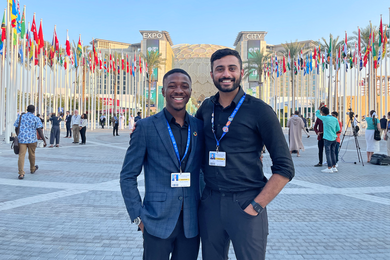
MIT delegates share observations and insights from the largest-ever UN climate conference.
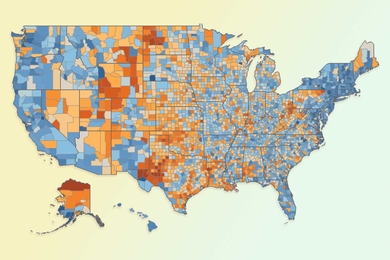
A county-by-county study shows where the U.S. job market will evolve most during the move to clean energy.
Exploiting the symmetry within datasets, MIT researchers show, can decrease the amount of data needed for training neural networks.

For 14 years, Crayton has strengthened programs and created new ones that foster academic success, provide mentoring, prepare students for careers or graduate school, and build community.
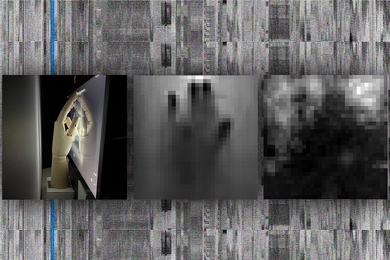
The ambient light sensors responsible for smart devices’ brightness adjustments can capture images of touch interactions like swiping and tapping for hackers.