
MIT Schwarzman College of Computing welcomes seven new faculty for 2026
Faculty members serve in core computing and shared roles, bringing a wide range of experiences and areas of expertise to the MIT community.
Faculty members serve in core computing and shared roles, bringing a wide range of experiences and areas of expertise to the MIT community.

The newest MIT engineering faculty are conducting research across a diverse range of subject areas.
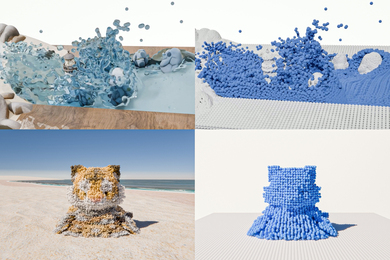
By learning how matter moves, the WorldParticle system could assist with developing soft robots, medicines, and more.
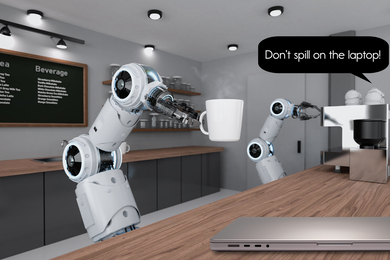
The new approach, known as FLEX, could lead to more intuitive, interactive household and assistive robots.

A new system identifies and corrects unreliable object descriptions stored in a robot’s memory, improving the robot’s ability to interact with its environment.

The MIT professors collaborated to identify the first AI-discovered antibiotic, a scientific breakthrough that is widely recognized as a milestone in AI-driven drug discovery.

Five MIT faculty members and two additional alumni are honored with fellowships to advance research on beneficial AI.

MIT professors Adam Berinsky and Chara Podimata discuss a new project to track how AI chatbots are responding to questions about the 2026 U.S. midterm elections.

The Social.Wiki framework enables anyone to easily edit social websites within the system, while allowing them to choose the content they see.

Professor Paris Smaragdis develops computers with superhuman hearing for applications like speech recognition, music understanding, and environmental monitoring.

A cross-section of the MIT community convened discussions on topics ranging from data centers and super pollutants to agriculture and education.

Longtime EECS adjunct professor and LIDS researcher was known for an influential essay on the need for engineers to “respect the unstable.”

Assistant Professor Benjamin Lindquist studies how engineers deliberately injected randomness into early AI, giving rise to deep-learning models that sometimes hallucinate.
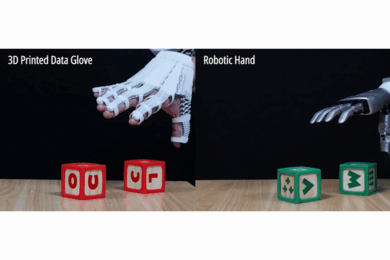
“X-Hinges” helps design and 3D print items like lamps and gloves with an interactive twist: automatically embedded sensors that perceive and adaptively respond to human contact.
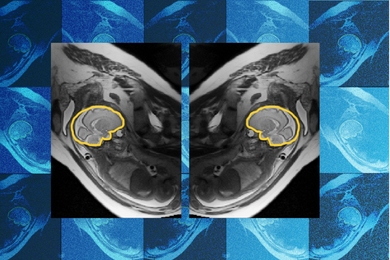
A model developed by researchers at MIT and Boston Children's Hospital adjusts scans on the fly to track fetal movement, potentially sparing families repeat hospital visits.