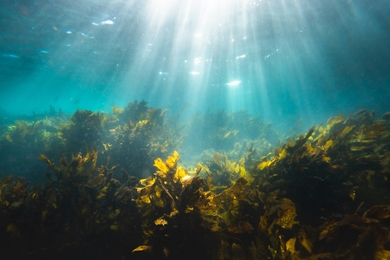
Marine bacteria team up to break down one of the ocean's toughest carbon-storing molecules
Researchers reveal how communities of marine bacteria divide the task of degrading fucoidan, a key player in ocean carbon storage.
Researchers reveal how communities of marine bacteria divide the task of degrading fucoidan, a key player in ocean carbon storage.
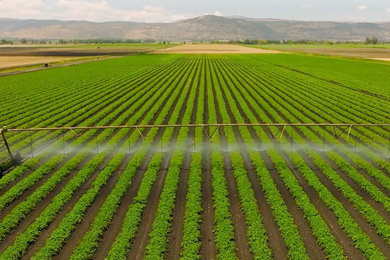
Led by Andee Wallace PhD ’20, Robigo uses cutting-edge biotechnology to engineer microbes to fight pests, reducing the need for harmful chemical pesticides.
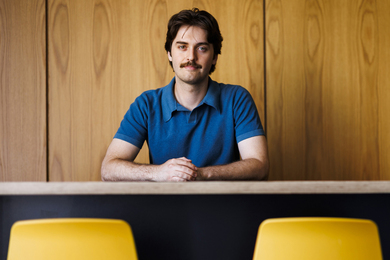
The PhD student’s research on how microorganisms digest compounds in their environment could enable advances in wastewater treatment.
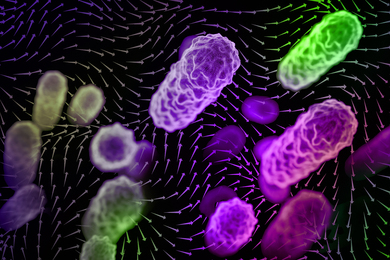
Researchers explore how a key factor can mitigate or promote tuberculosis transmission.
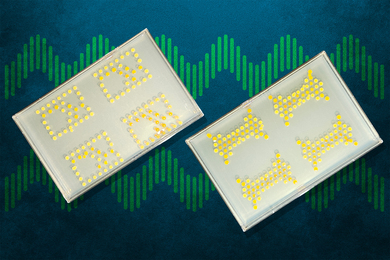
By wiring together colonies of these bacteria, the researchers built circuits that can perform complicated calculations.
New findings could help researchers design synthetic catalysts that convert nitrogen gas to ammonia, a key step in fertilizer production.

As sea levels rise and saltwater seeps into freshwater, stressed aquatic populations may retain overall growth even as diversity declines, MIT scientists find.
With warmer ocean temperatures, the composition of marine plankton could shift from protein-rich to carb-heavy, a new study suggests.
MIT researchers uncovered the roles of bacterial species from the environment as they consume biodegradable plastic.
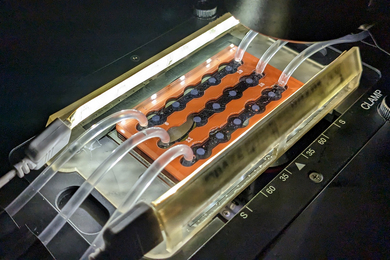
A new study finds hitchhiking bacteria dissolve essential ballast in ubiquitous “snow” particles, which could counteract the ocean’s ability to sequester carbon.
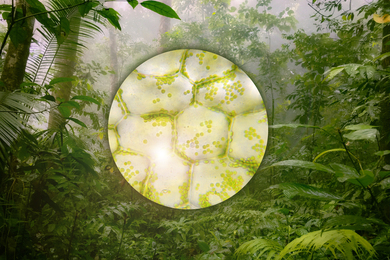
Foray Bioscience, founded by Ashley Beckwith SM ’18, PhD ’22, is engineering single plant cells to create new materials and meet growing demand.
A new study suggests aerobic respiration began hundreds of millions of years earlier than previously thought.
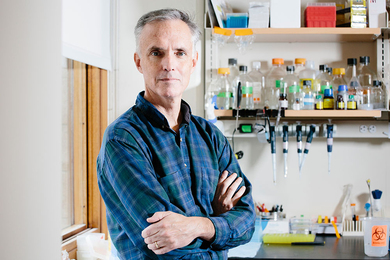
Professor James Collins discusses how collaboration has been central to his research into combining computational predictions with new experimental platforms.
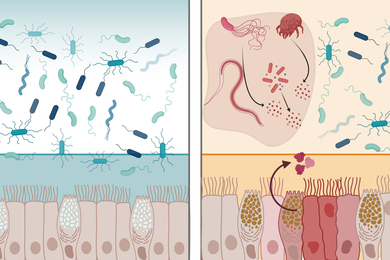
The protein, known as intelectin-2, also helps to strengthen the mucus barrier lining the digestive tract.
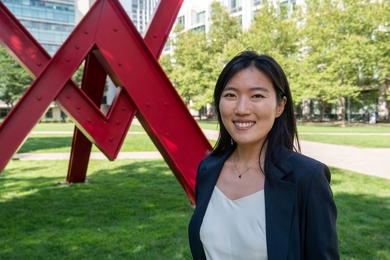
Assistant Professor Yunha Hwang utilizes microbial genomes to examine the language of biology. Her appointment reflects MIT’s commitment to exploring the intersection of genetics research and AI.