
A “scientific sandbox” lets researchers explore the evolution of vision systems
The AI-powered tool could inform the design of better sensors and cameras for robots or autonomous vehicles.
The AI-powered tool could inform the design of better sensors and cameras for robots or autonomous vehicles.
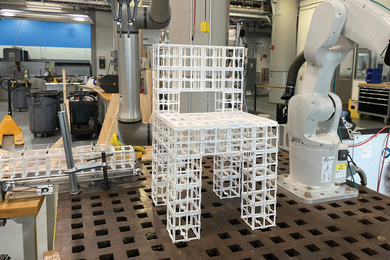
An AI-driven system lets users design and build simple, multicomponent objects by describing them with words.
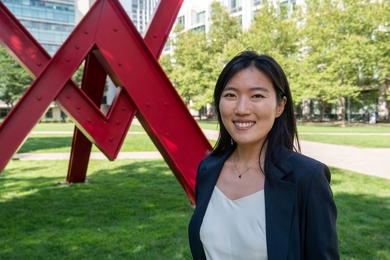
Assistant Professor Yunha Hwang utilizes microbial genomes to examine the language of biology. Her appointment reflects MIT’s commitment to exploring the intersection of genetics research and AI.
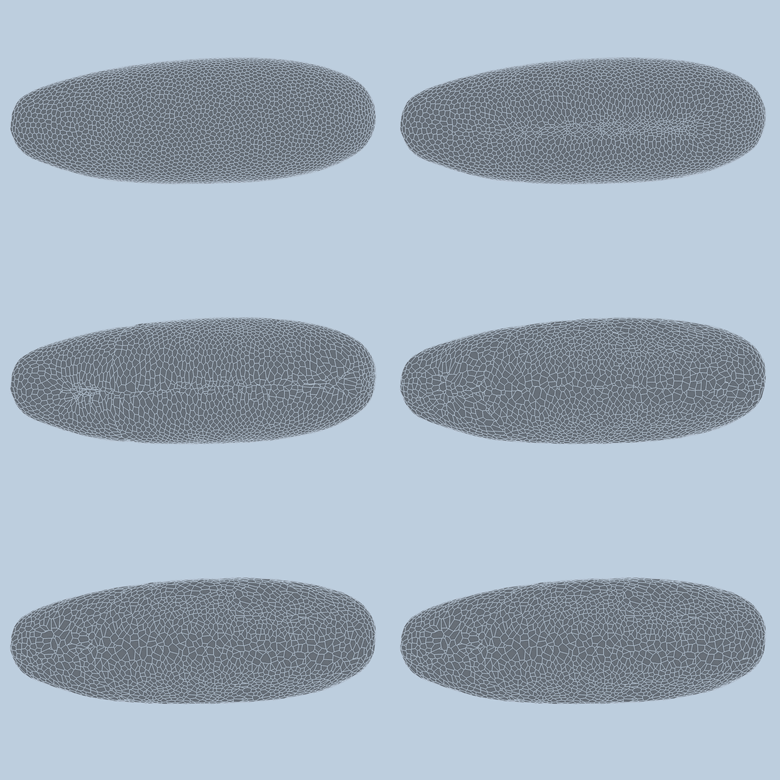
The approach could apply to more complex tissues and organs, helping researchers to identify early signs of disease.

The “self-steering” DisCIPL system directs small models to work together on tasks with constraints, like itinerary planning and budgeting.
The technique can help scientists in economics, public health, and other fields understand whether to trust the results of their experiments.
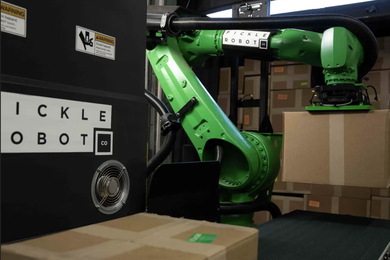
Founded by MIT alumni, the Pickle Robot Company has developed machines that can autonomously load and unload trucks inside warehouses and logistic centers.
This new technique enables LLMs to dynamically adjust the amount of computation they use for reasoning, based on the difficulty of the question.

With insect-like speed and agility, the tiny robot could someday aid in search-and-rescue missions.
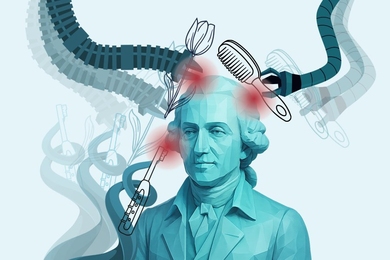
MIT CSAIL and LIDS researchers developed a mathematically grounded system that lets soft robots deform, adapt, and interact with people and objects, without violating safety limits.
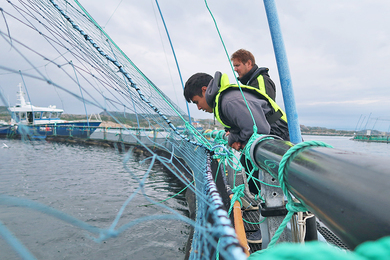
AquaCulture Shock program, in collaboration with MIT-Scandinavia MISTI, offers international internships for AI and autonomy in aquaculture

Large language models can learn to mistakenly link certain sentence patterns with specific topics — and may then repeat these patterns instead of reasoning.
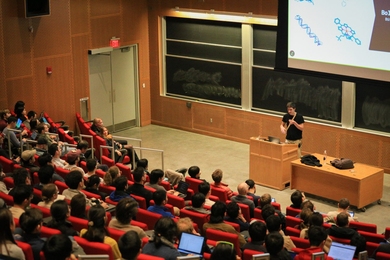
BoltzGen generates protein binders for any biological target from scratch, expanding AI’s reach from understanding biology toward engineering it.
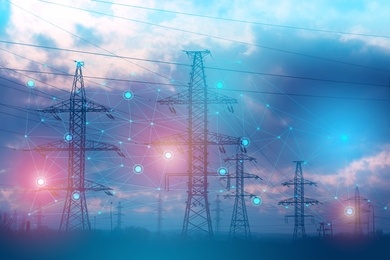
AI supports the clean energy transition as it manages power grid operations, helps plan infrastructure investments, guides development of novel materials, and more.
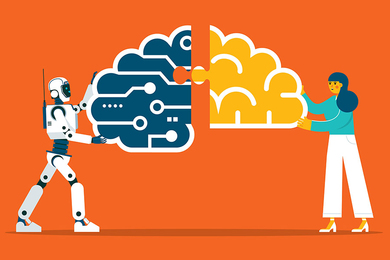
MIT neuroscientists find a surprising parallel in the ways humans and new AI models solve complex problems.