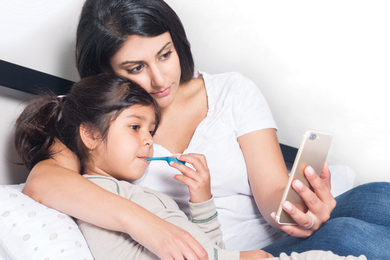
Real-time data for a better response to disease outbreaks
The startup Kinsa uses its smart thermometers to detect and track the spread of contagious illness before patients go to the hospital.
The startup Kinsa uses its smart thermometers to detect and track the spread of contagious illness before patients go to the hospital.
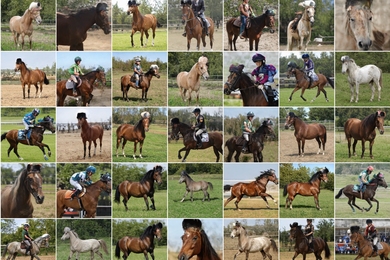
An artificial intelligence tool lets users edit generative adversarial network models with simple copy-and-paste commands.
Storage tool developed at MIT CSAIL adapts to what its datasets’ users want to search.
Through innovation in software and hardware, researchers move to reduce the financial and environmental costs of modern artificial intelligence.
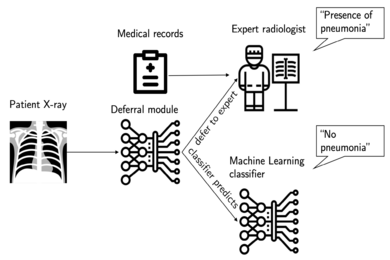
Machine learning system from MIT CSAIL can look at chest X-rays to diagnose pneumonia — and also knows when to defer to a radiologist.
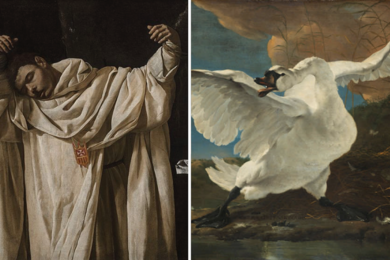
A team from MIT helped create an image retrieval system to find the closest matches of paintings from different artists and cultures.
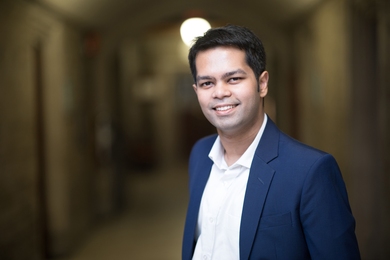
Postdoc Md Sami Hasnine's work has been instrumental in forming CEE’s DEI committee.
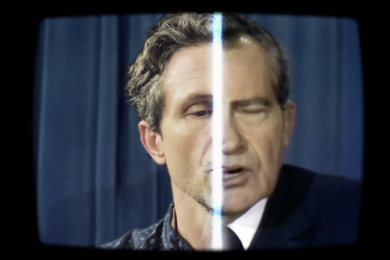
New website from the MIT Center for Advanced Virtuality rewrites an important moment in history to educate the public on the dangers of deepfakes.
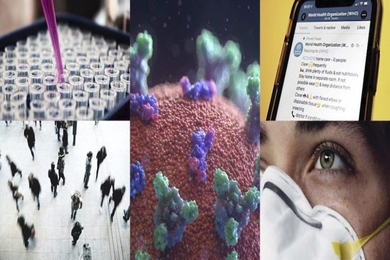
C3.ai Digital Transformation Institute awards $5.4 million to top researchers to steer how society responds to the pandemic.
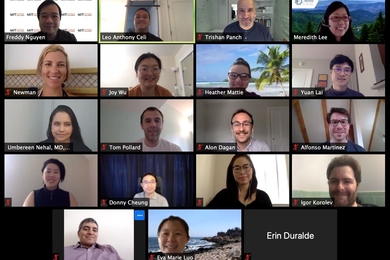
A global team of researchers searches for insights during a weeklong virtual “datathon.”
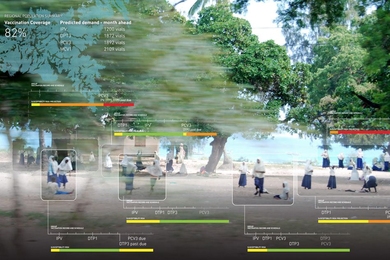
The startup macro-eyes uses artificial intelligence to improve vaccine delivery and patient scheduling.

Music gesture artificial intelligence tool developed at the MIT-IBM Watson AI Lab uses body movements to isolate the sounds of individual instruments.
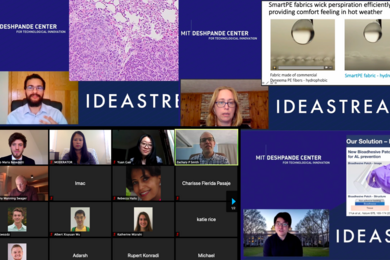
From machine learning to devices to Covid-19 testing, Deshpande Center projects aim to make a positive impact on the world.
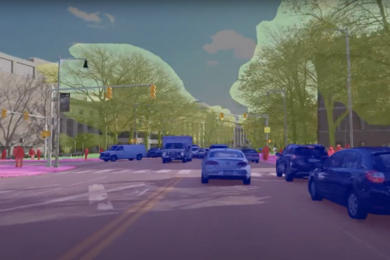
DriveSeg contains precise, pixel-level representations of many common road objects, but through the lens of a continuous video driving scene.
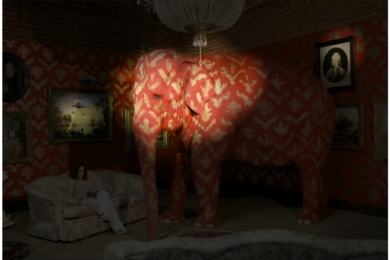
Researchers capture our shifting gaze in a model that suggests how to prioritize visual information based on viewing duration.