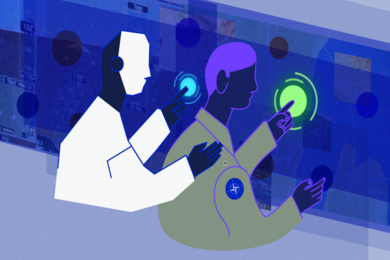
Stressed on the job? An AI teammate may know how to help
Researchers are working toward intelligent machines that can sense cognitive fatigue and suggest interventions to help a human improve performance.
Researchers are working toward intelligent machines that can sense cognitive fatigue and suggest interventions to help a human improve performance.
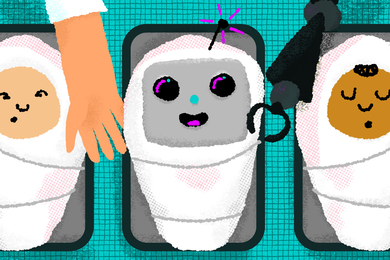
Book co-authored by Associate Professor Julie Shah and Laura Major SM ’05 explores a future populated with robot helpers.
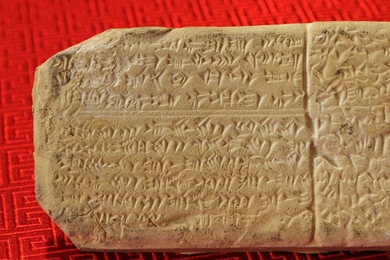
System developed at MIT CSAIL aims to help linguists decipher languages that have been lost to history.

Convened by the MIT Schwarzman College of Computing, the AI Policy Forum will develop frameworks and tools for governments and companies to implement concrete policies.
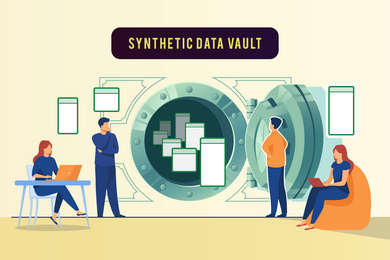
MIT researchers release the Synthetic Data Vault, a set of open-source tools meant to expand data access without compromising privacy.
Computational method for screening drug compounds can help predict which ones will work best against tuberculosis or other diseases.
Funds will support research on glaucoma through retinal biometrics and neural cell implantation therapy for spinal cord injury.
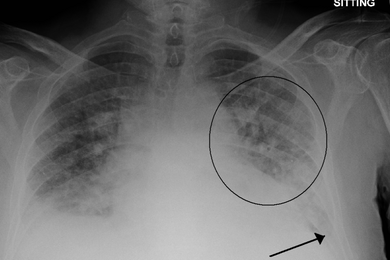
Many health issues are tied to excess fluid in the lungs. A new algorithm can detect the severity by looking at a single X-ray.
The award supports promising PhD candidates or postdocs conducting interdisciplinary research on the societal and ethical dimensions of computing.
Working remotely this summer, students worked to better understand human intelligence and to advance machine learning applications.
MIT professor announced as award’s first recipient for work in cancer diagnosis and drug synthesis.
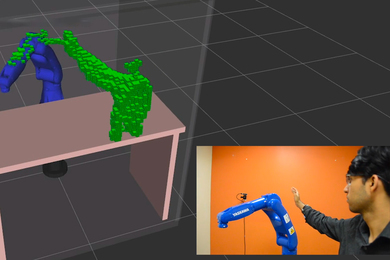
Realtime Robotics has created a controller that helps robots safely move around on the fly.
The company Health at Scale uses machine learning to improve outcomes for individual patients.
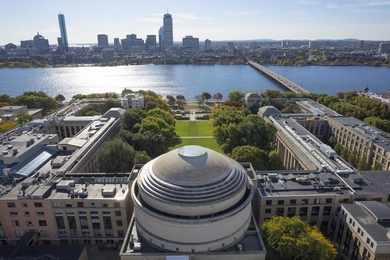
New faculty in these areas will connect the MIT Schwarzman College of Computing and a department or school.
IAIFI will advance physics knowledge — from the smallest building blocks of nature to the largest structures in the universe — and galvanize AI research innovation.