3Q: Hazel Sive on MIT-Africa
Faculty director discusses the future of the initiative and Africa’s position as a global priority for the Institute.
Faculty director discusses the future of the initiative and Africa’s position as a global priority for the Institute.
MIT Community Dialogue series is underway as multi-year research continues.

New book, “Searching for Stars on an Island in Maine,” examines the tensions between belief and knowing.
Professor of mechanical engineering explains the importance of advancing internal combustion engines and offers his take on recent EPA rollbacks.

Ambitious new piece in his “City Symphony” series features the birthplace of American democracy.
Daniel Kammen of the University of California at Berkeley discusses current efforts in clean energy innovation and implementation, and what's coming next.

Daniel Sperling of the University of California at Davis discusses the major transformations in store for mobility.
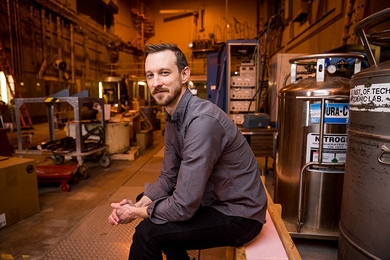
Researchers will work with industrial collaborators to pursue fusion as a source of carbon-free power.
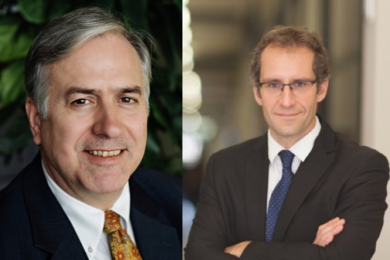
Jacopo Buongiorno and John Parsons, co-directors of the MITEI Low-Carbon Energy Center for Advanced Nuclear Energy Systems, discuss how to overcome the challenges and realize the benefits of expanding nuclear power.
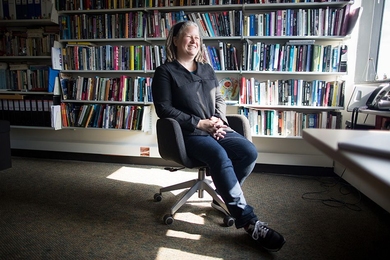
MIT sociologist’s “AnyKey” initiative aims to level the playing field of online sports.

Christopher Knittel and Francis O'Sullivan, co-directors of the MITEI Low-Carbon Energy Center for Electric Power Systems Research, are exploring cleaner, more reliable, and more cost-effective solutions.
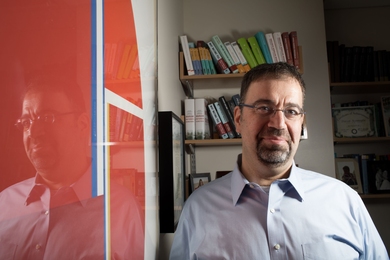
"We need to look to the past in the face of modern innovations in machine learning, robotics, artificial intelligence, big data, and beyond," says the economist.
The computer scientist’s group has designed a game that gets players to reflect on sexual misconduct in the workplace.

MIT-designed tool lets people test realistic changes to local transit networks.

Barnhart reports on progress since pioneering student survey, urges all members of MIT community to be part of culture change to prevent sexual misconduct.