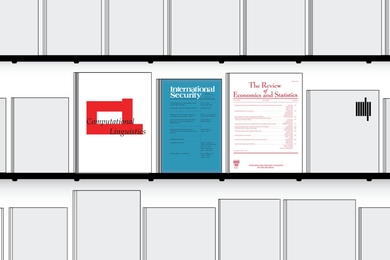
Three MIT Press journals lead their fields with Clarivate No. 1 rankings
Computational Linguistics, International Security, and The Review of Economics and Statistics lead their disciplines with 2026 Clarivate impact factors.
Computational Linguistics, International Security, and The Review of Economics and Statistics lead their disciplines with 2026 Clarivate impact factors.
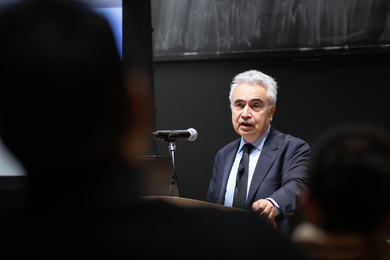
Expect energy disruptions and economic damage, especially in developing countries, and prepare to build a more resilient, sustainable energy system, says International Energy Agency executive director.

Scientists say an exception in the Montreal Protocol for the use of ozone-depleting feedstocks could set the ozone recovery back seven years.

MIT senior, master's candidate, and airman Brian Robinson lives and works at the intersection of aviation, politics, and technology.
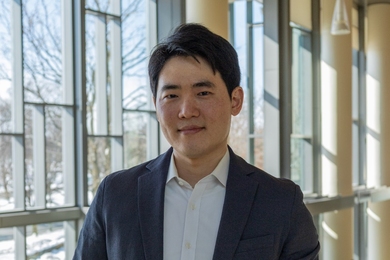
Sojun Park, a postdoc at the Center for International Studies, has learned much from his research on intellectual property as well as his interactions with students and mentors at MIT.
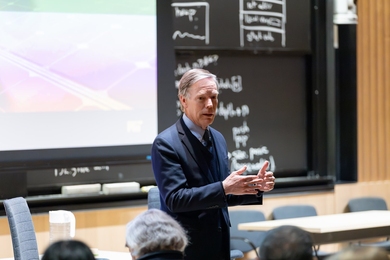
At MIT, former U.S. ambassador to China Nicholas Burns highlights climate change as an area for diplomatic engagement, while exploring areas including China's emphasis on STEM education.
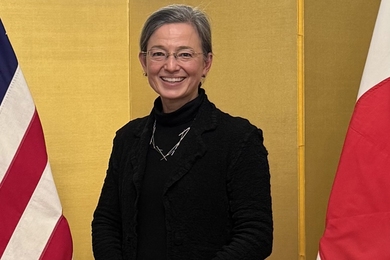
MISTI Japan managing director Christine Pilcavage supports students and faculty interested in exploring the country’s rich cultural traditions and heritage with a STEM flair.
Global Change Outlook report for 2025 shows how accelerated action can reduce climate risks and improve sustainability outcomes, while highlighting potential geopolitical hurdles.

Mihaela Papa discusses the BRICS Lab, her role at the Center for International Studies, and the center's ongoing ambition to tackle the world's most complex challenges in new and creative ways.
MIT is a global community whose international engagement bestows benefits well beyond the Cambridge campus.
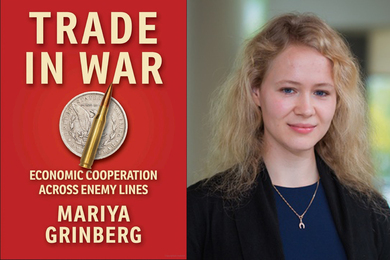
Mariya Grinberg’s new book, “Trade in War,” examines the curious phenomenon of economic trade during military conflict.

MIT undergraduates broaden their perspectives and prospects through political science.
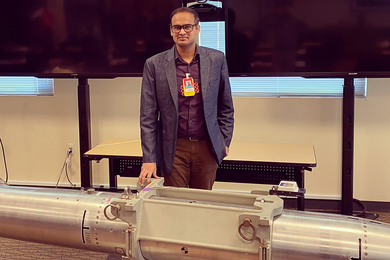
Political science PhD student Kunal Singh identifies a suite of strategies states use to prevent other nations from developing nuclear weapons.
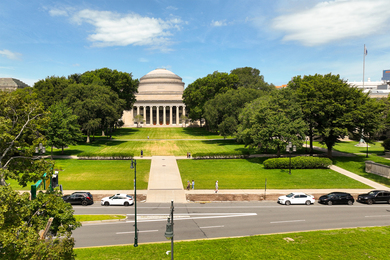
With $45 million in support from the Stanton Foundation, the program will expand its longstanding leadership in a critical area of global security.
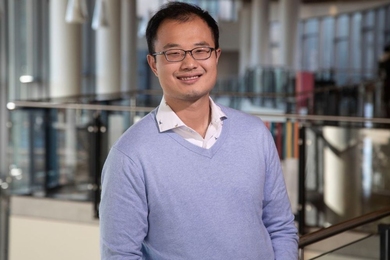
Rising superpowers like China are “cautious opportunists” in global institutions, and the U.S. should avoid overreaction, PhD student Raymond Wang argues.