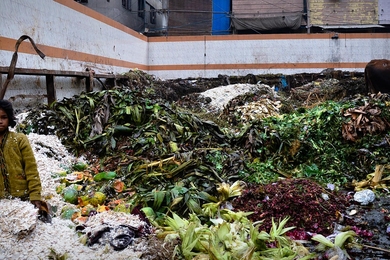
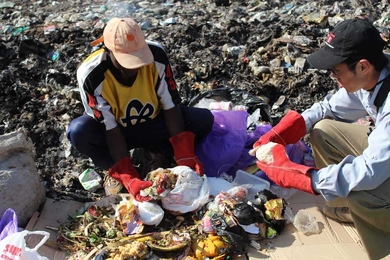
MIT IDEAS Global Challenge teams innovate around the world during IAP
Students develop quality-of-life solutions for underserved communities.
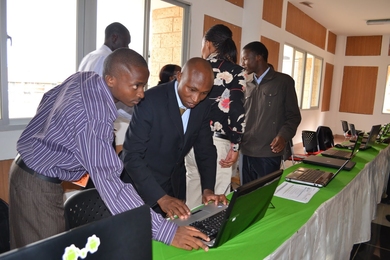
In the World: Fostering entrepreneurship in developing nations
In 11 years, MIT’s Accelerating Information Technology Innovation (AITI) program has trained more than 1,500 budding entrepreneurs in seven countries.
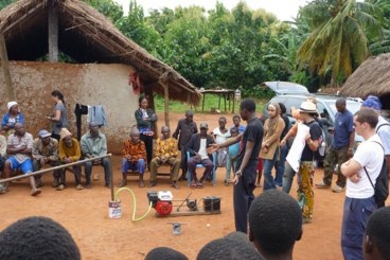
In the World: Design summit’s inventions find willing buyers
Devices to improve lives in developing countries are so appealing that even the initial prototypes attract buyers.

Wisdom of crowds
In countries that lack financial records, how can we tell who is truly poor? An innovative study suggests: Ask the neighbors.

Waldman-Brown, Fulbright scholarship winner, to spend next year in Ghana
Recent graduate and public service fellow will teach the science of energy generation.
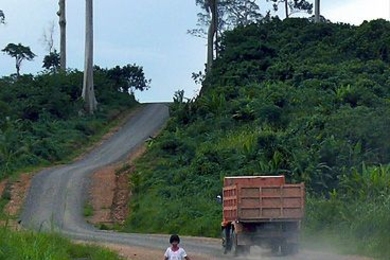
Taxation without documentation
New study shows ‘informal taxation’ in developing countries is far greater than suspected, supporting public works — and adding a burden for the poor.
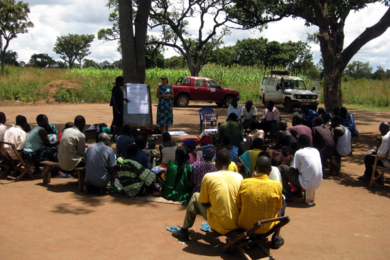
In the World: Cultivating creativity
For some of the world’s poorest people, the biggest impact can come from fostering creative problem-solving.
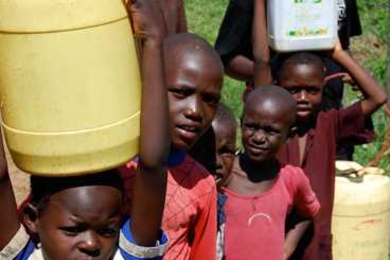
Life on a dollar a day
In Poor Economics, Abhijit Banerjee and Esther Duflo open a window into the lives of the world’s poorest people, and suggest new remedies to combat poverty.

Out of thick air
MIT graduate student is working to make water available for the world’s poor by refining the tools and techniques of fog harvesting.
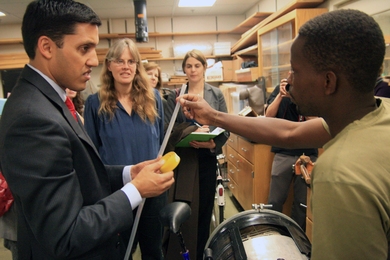
Universities can lead in development, USAID head says during MIT visit
Discusses how new ideas are needed for battling disease, extending education and improving lives in poor nations.
iHouse receives 484 Phi Alpha Foundation grant
$20,000 award will help fund international development projects for students in the living-learning community
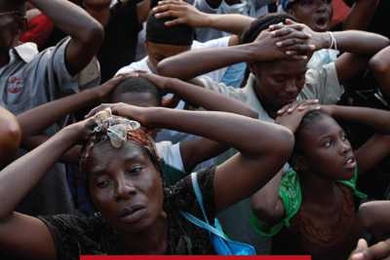
Haiti’s plight
MIT anthropologist Erica James examines the psychological damage inflicted on the island nation’s inhabitants.
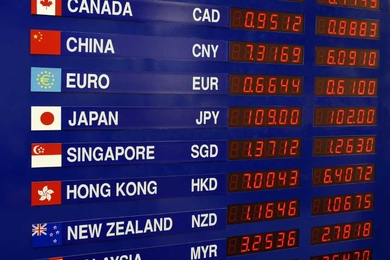
Pattern seen in governments’ currency policies
Small-time money transfers from migrants shape key decisions on foreign exchange, research shows.