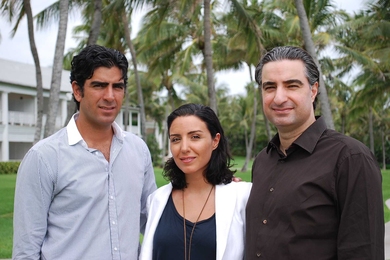
All in the family: MIT Sloan becoming home for the Hatamis
Third sibling to receive his MBA this spring; follows his older brother and younger sister.
Third sibling to receive his MBA this spring; follows his older brother and younger sister.
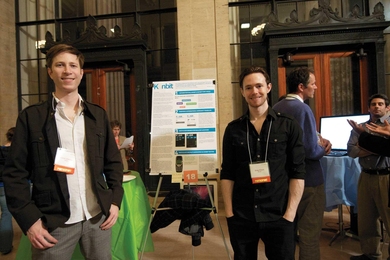
More than $25,000 awarded to seven student teams that apply invention to improve lives
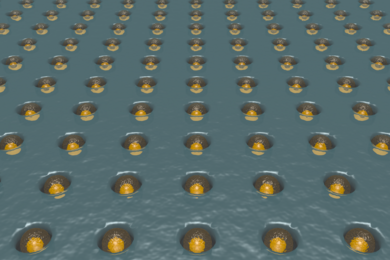
Technology offers a new way to test potential cancer drugs, detect effects of hazardous agents in our environment.

$11 million in grants to Institute research awarded in DoE agency’s second round
MIT program harnesses knowledge and experience of volunteer alumni and business leaders to help prospective entrepreneurs.
Brought together thought-leading entrepreneurs, faculty, students and investors

In a talk to promote his new book, MIT’s Simon Johnson lambastes a finance industry he sees as lacking a healthy fear of losing money.
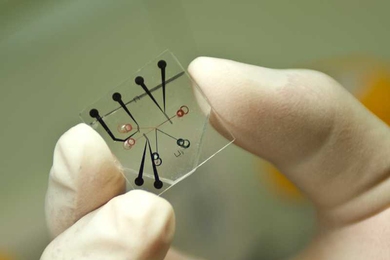
New approach to water desalination could lead to small, portable units that could be sent to disaster sites or remote locations.

Presented by MIT Sloan School of Management Dean's Innovative Leader Series
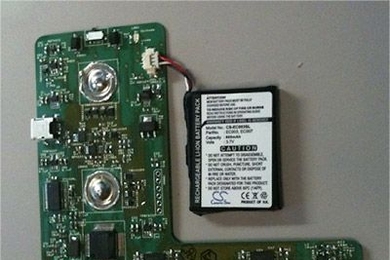
Low-power computer chips allow engineers to design wearable and implantable devices to monitor patients.

$30,000 Lemelson-
MIT prizes awarded to inventive students nationwide; four leading institutes celebrate 2010 winners
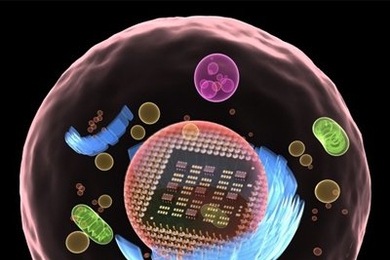
By mimicking cells, MIT researcher designs electronic circuits for ultra-low-power and biomedical applications.
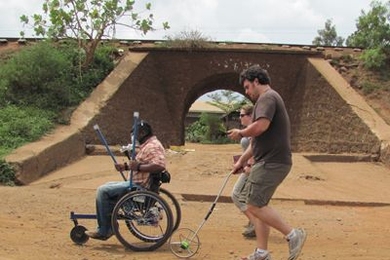
Grad student’s device aims to meet the needs of millions of people in the developing world.

Forget about batteries. The ability to harness electricity from tiny vibrations could power a new generation of electronic devices.