
Supporting systems of success
In the MIT class 6.C31 (Hack Yourself) students apply computer science strategies to personal growth goals.
In the MIT class 6.C31 (Hack Yourself) students apply computer science strategies to personal growth goals.

A new language-processing tool could help identify the highest-risk individuals from natural language, enabling swifter interventions.
They also found that obesity may put patients at higher risk for activation of the pathway. Drugs that block the pathway may help prevent metastasis.
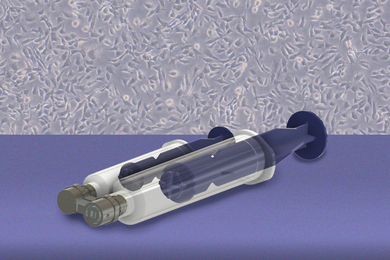
MIT researchers developed a handheld system that gently collects living cells from patient samples to aid cancer testing and development of personalized medicines.
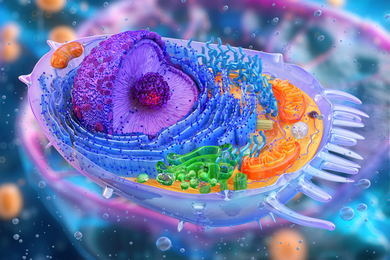
Tracking down senescent cells, which accumulate as we age, could help diagnose age-related disorders and guide researchers working on new treatments.
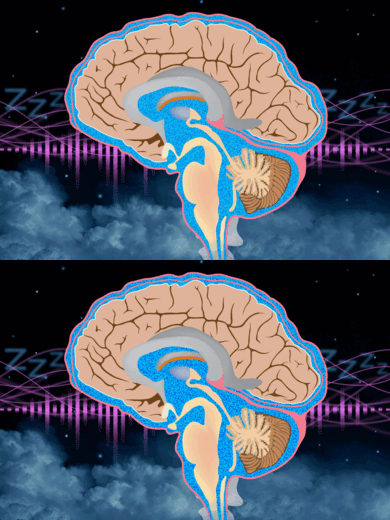
Delivered at just the right time, this type of auditory stimulus can strengthen the flow of cerebrospinal fluid, which clears debris from the brain and keeps it healthy.
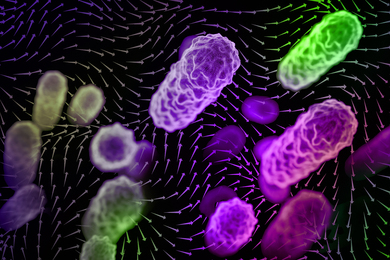
Researchers explore how a key factor can mitigate or promote tuberculosis transmission.

MIT researchers have found that a ketogenic high-fat, low-carbohydrate diet fuels the growth of intestinal tumors.
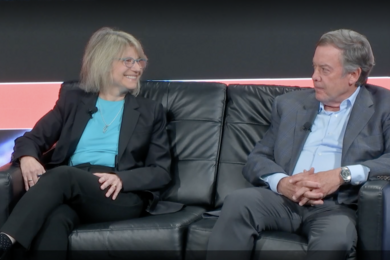
During a "Washington Post Live" panel discussion with ASU President Michael Crow, President Sally Kornbluth explored how universities are preparing the next generation of scientists to lead in America’s rapidly changing technological landscape.

A new study reveals cellular pathways that appear to underlie some differences in physical fitness.
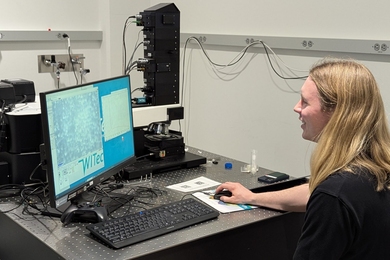
Startup accelerator program grows to over 30 companies, almost half of them with MIT pedigrees.
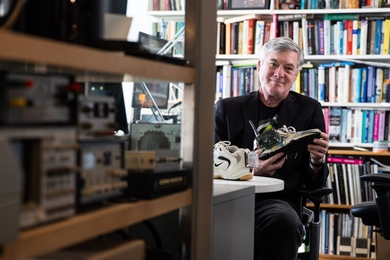
From early motion-sensing platforms to environmental monitoring, the professor and head of the Program in Media Arts and Sciences has turned decades of cross-disciplinary research into real-world impact.
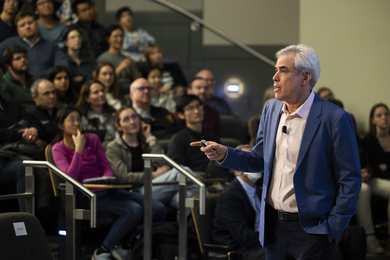
In Compton Lecture at MIT, social psychologist Jonathan Haidt warns of dramatic global decay in cognition, attention spans, and civic life, and urges curbs to tech use.

By providing holistic information on a cell, an AI-driven method could help scientists better understand disease mechanisms and plan experiments.
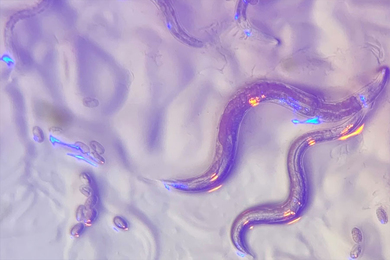
Time and again, an unassuming roundworm has illuminated aspects of biology with major consequences for human health.