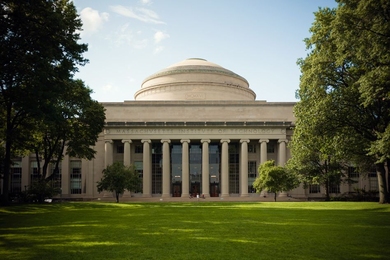
Events postponed or canceled as MIT responds to COVID-19
Changes follow new Institute policies on travel, events, and visitors; some large classes to move online.
Changes follow new Institute policies on travel, events, and visitors; some large classes to move online.
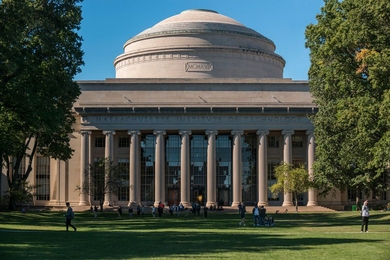
Campus-wide effort to ensure academic, research, and business continuity, as well as continued medical, residential life, and communications response to COVID-19.
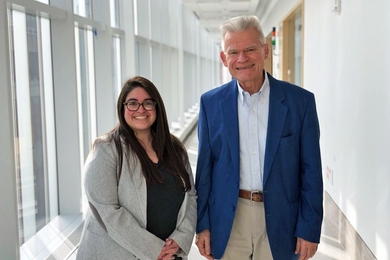
The award is given annually by the American Chemical Society.
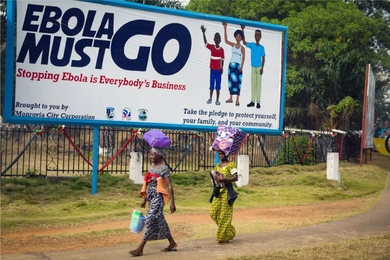
Study finds that in Liberia, volunteers limited damage from Ebola by distributing information within their own communities.
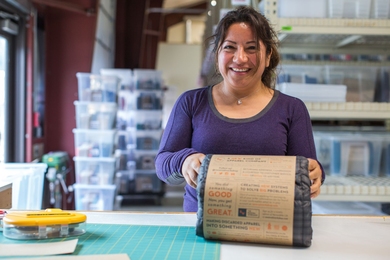
Tech-based solutions sought for challenges in work environments, education for girls and women, maternal and newborn health, and sustainable food.
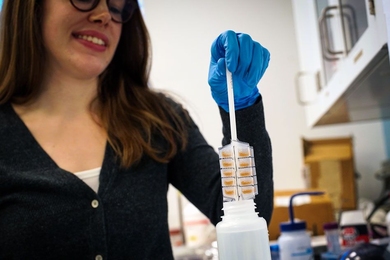
Whisk-shaped device absorbs trace contaminants, preserves them in dry state that can be shipped to labs for analysis.
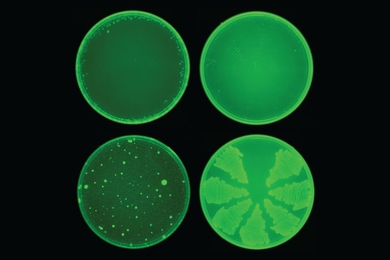
A deep-learning model identifies a powerful new drug that can kill many species of antibiotic-resistant bacteria.
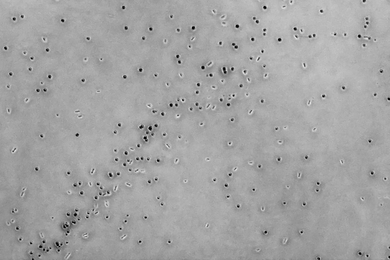
Research underscores infection is not a common hospital transmission.
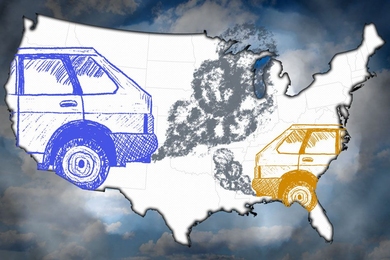
Study tracks pollution from state to state in the 48 contiguous United States.
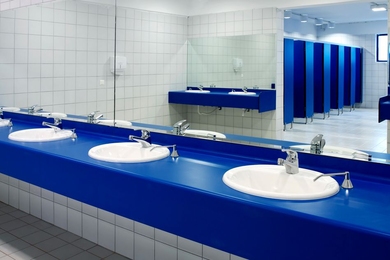
Improving the rate of handwashing at just 10 major airports could significantly slow the spread of a viral disease, researchers estimate.
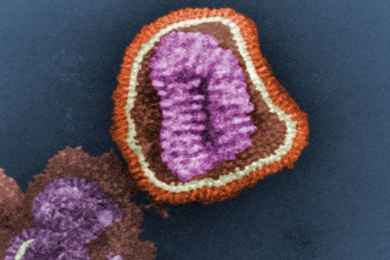
Findings could help researchers design drugs to treat influenza B infections.
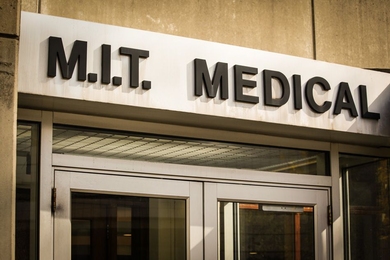
A new coronavirus first detected in Wuhan, China, poses no identified risk to the MIT community at this time.

Models that map these relationships based on patient data require fine-tuning for certain conditions, study shows.
Study shows no effect from program intended to reduce repeated hospitalizations by targeting high-cost patients.
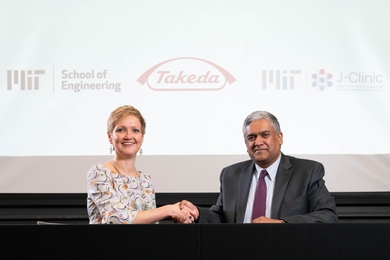
A key part of J-Clinic, the MIT-Takeda Program will create educational opportunities and support cutting-edge research to positively impact human health.