
New postdoctoral fellowship program to accelerate innovation in health care
Launched with a gift from the Biswas Family Foundation, the Biswas Postdoctoral Fellowship Program will support postdocs in health and life sciences.
Launched with a gift from the Biswas Family Foundation, the Biswas Postdoctoral Fellowship Program will support postdocs in health and life sciences.
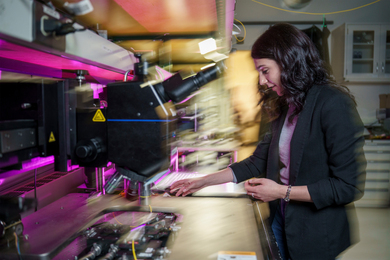
PhD candidate Sabrina Corsetti builds photonic devices that manipulate light to enable previously unimaginable applications, like pocket-sized 3D printers.
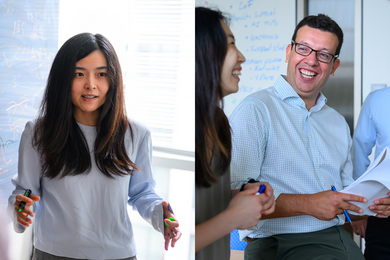
Professors Xiao Wang and Rodrigo Verdi are honored as “Committed to Caring.”

Caitlin Morris, a PhD student and 2024 MAD Fellow affiliated with the MIT Media Lab, designs digital learning platforms that make room for the “social magic” that influences curiosity and motivation.
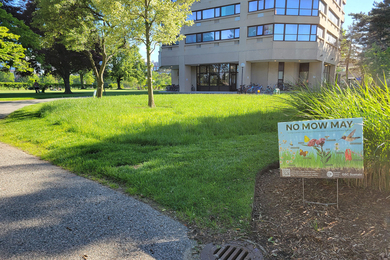
With advocacy from GSC Sustain, the No Mow May project supports pollinator habitats and provides educational opportunities.
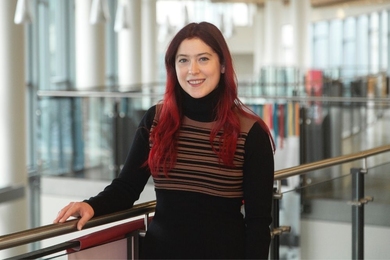
PhD candidate Suzanne Freeman reveals how intelligence agencies shape foreign policy in authoritarian states.

The MIT Ethics of Computing Research Symposium showcases projects at the intersection of technology, ethics, and social responsibility.
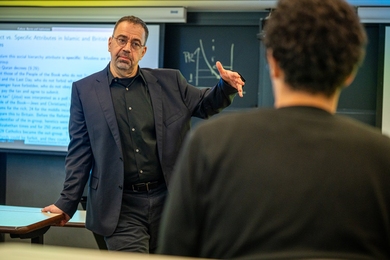
Institute Professor and Nobel Prize winner Daron Acemoglu teaches a PhD class about the intersections between history, political power, and money.
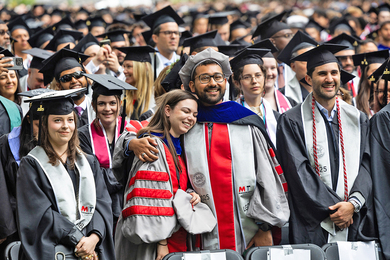
Viraat Goel MBA ’25, PhD ’25 shares a poignant moment at the OneMIT Commencement ceremony with his wife, Erin Tevonian PhD ’25, as they celebrate their academic journey together.
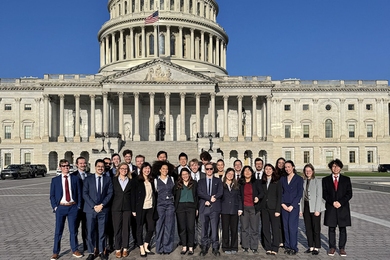
In an annual tradition, MIT affiliates embarked on a trip to Washington to explore federal lawmaking and advocate for science policy.
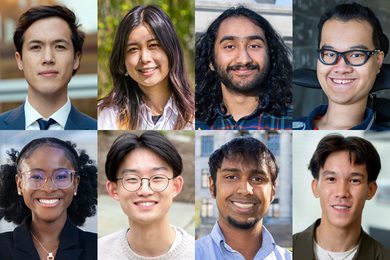
The fellowships recognize doctoral students who have “the extraordinary creativity and principled leadership necessary to tackle problems others can’t solve.”
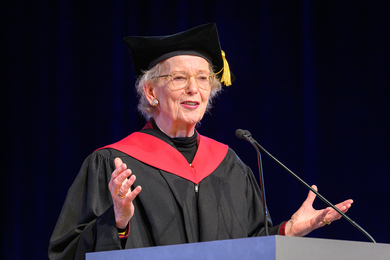
The former president of Ireland provides wit and wisdom to the graduating Class of 2025 and guests.
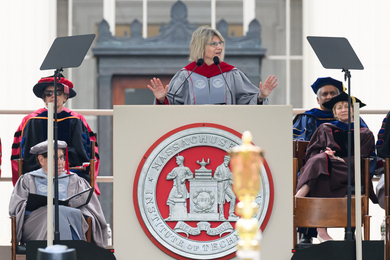
MIT’s president urges graduates to become ambassadors for scientific thinking and discovery.
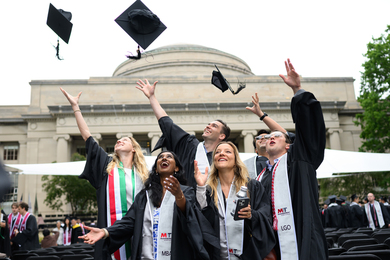
Lively Commencement ceremony gives students, family, and friends a chance to celebrate years of hard work by the Institute’s newest graduates.

PhD student Sarah Alnegheimish wants to make machine learning systems accessible.