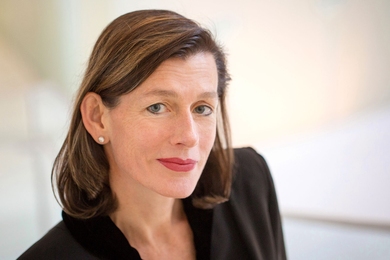
3 Questions: Heather Hendershot on coverage of the pandemic
MIT media expert discusses the stark differences across U.S. media sources.
MIT media expert discusses the stark differences across U.S. media sources.
Writing in The New York Times, President Reif says recently rescinded ICE policy reflected “a stark misreading of our national interest.”
Multiple institutions have joined effort to block policy that would bar thousands of foreign students.

MIT panelists examine the roles of social norms in countries’ differing responses to the coronavirus pandemic.

The MIT Humanitarian Supply Chain Lab implements a rapid assessment process to inform policy.

Study also finds tax breaks for general business investment have slightly negative effect on innovation.
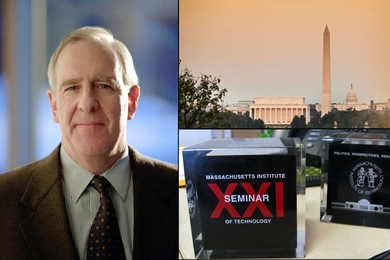
Seminar XXI links policymaking and academia by bringing together military and civilian executives with scholars from MIT and beyond.
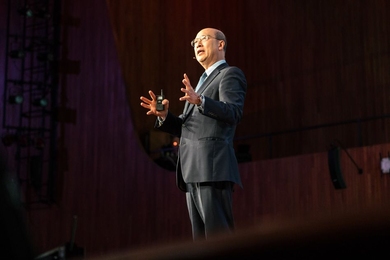
Study: Vaccines find more success in development than any other kind of drug, but have been relatively neglected in recent decades.

MIT Governance Lab and the Institute for Governance Reform, working with the government of Sierra Leone, conduct rapid-response surveys to address Covid-19.
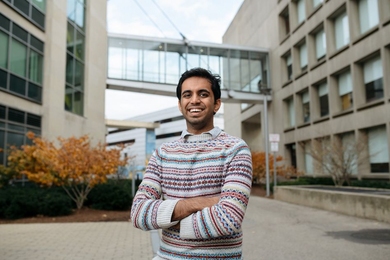
At MIT, senior Tarun Kamath has explored neuroscience and science policy, while helping his peers find ways to reduce stress.
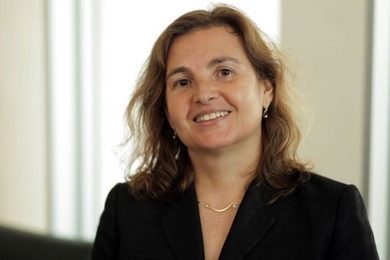
CSAIL director and MIT Schwarzman College of Computing deputy dean of research will serve on the President’s Council of Advisors on Science and Technology.
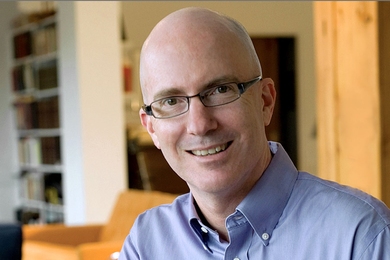
Head of the MIT Election Data and Science Lab discusses the greatest risks, voting by mail, zombies, and asteroids.

Committing to aggressive conservation efforts could rebuild ocean habitats and species populations in a few decades.

Study of 1918 flu pandemic shows U.S. cities that responded more aggressively in health terms also had better economic rebounds.