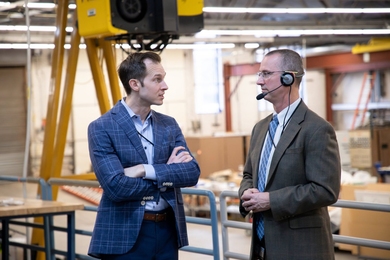
PSFC showcases technologies applicable to both fusion and geothermal energy during representative’s visit
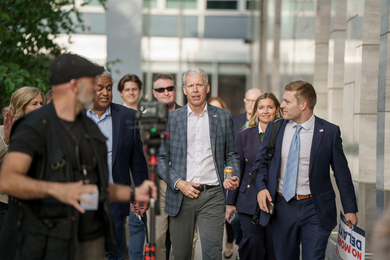
Rep. Jake Auchincloss visits the MIT Plasma Science and Fusion Center to learn about scaling geothermal energy.
Rep. Jake Auchincloss visits the MIT Plasma Science and Fusion Center to learn about scaling geothermal energy.
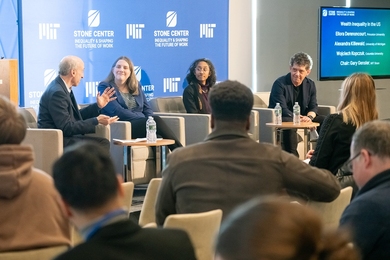
An MIT Stone Center event examined the origins, mechanisms, and political consequences of high inequality.
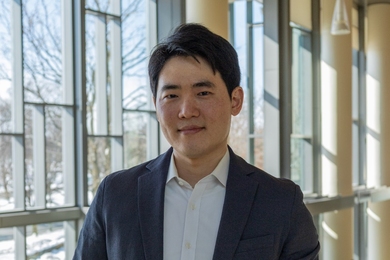
Sojun Park, a postdoc at the Center for International Studies, has learned much from his research on intellectual property as well as his interactions with students and mentors at MIT.
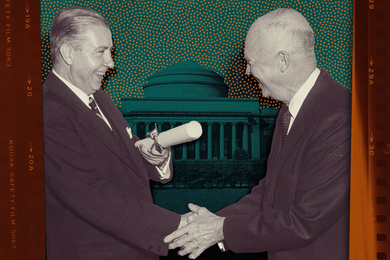
For several decades beginning in the 1950s, the Killian Report set the frontiers of military technology, intelligence gathering, national security policy, and global affairs.
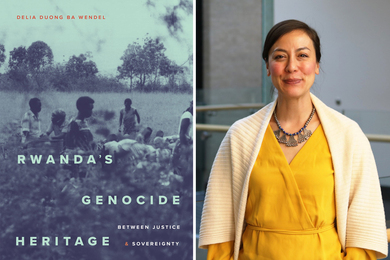
Delia Wendel’s new book illuminates a painful and painstaking effort by citizens to bear witness to atrocities.
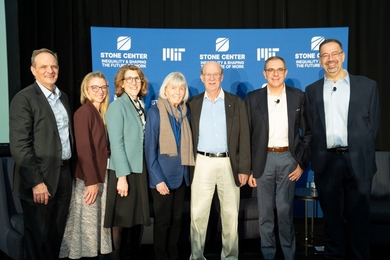
Recent launch event for the center featured discussions on pro-worker AI, wealth inequality, and the future of liberal democracy.
MIT community members made headlines with key research advances and their efforts to tackle pressing challenges.
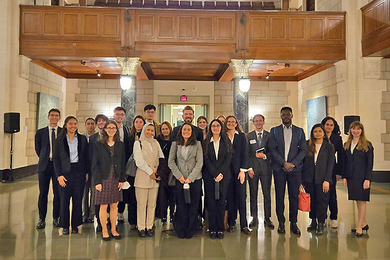
Students and postdocs traveled to Washington to learn about federal science and technology policymaking.
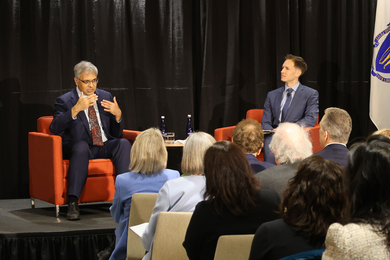
In a conversation with Rep. Jake Auchincloss, Bhattacharya focused on the agency’s policy goals and funding practices.

In “American Independence in verse,” MIT philosopher Brad Skow uses poems to explore the American Revolution from multiple perspectives.

A study by MIT researchers illuminates choices about reliability, cost, and emissions.
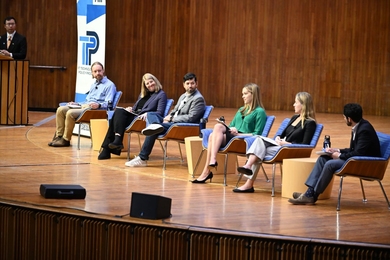
The MIT Technology and Policy Program marked 50 years with a symposium exploring its history of education, research, and impact — while looking ahead to technology policy issues of the future.
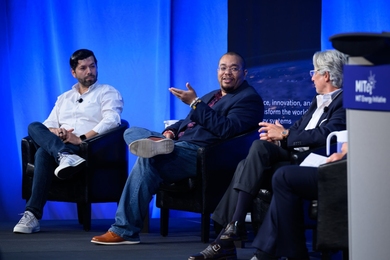
Industry leaders agree collaboration is key to advancing critical technologies.
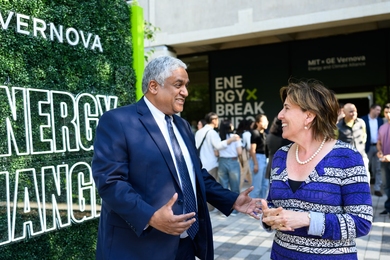
Five-year collaboration between MIT and GE Vernova aims to accelerate the energy transition and scale new innovations.
Panel discussions focused on innovation in many forms of energy, then a tour of campus featured student research.