Search algorithm reveals nearly 200 new kinds of CRISPR systems
By analyzing bacterial data, researchers have discovered thousands of rare new CRISPR systems that have a range of functions and could enable gene editing, diagnostics, and more.
By analyzing bacterial data, researchers have discovered thousands of rare new CRISPR systems that have a range of functions and could enable gene editing, diagnostics, and more.
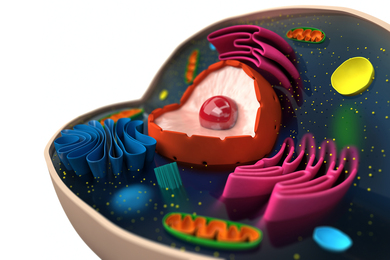
MIT study suggests 3D folding of the genome is key to cells’ ability to store and pass on “memories” of which genes they should express.

MIT computer scientists developed a way to calculate polygenic scores that makes them more accurate for people across diverse ancestries.
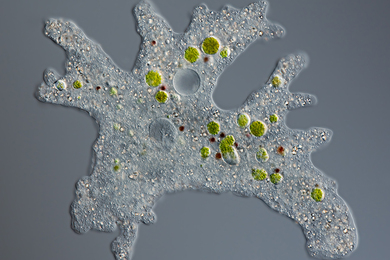
New research finds RNA-guided enzymes called Fanzors are widespread among eukaryotic organisms.

By focusing on causal relationships in genome regulation, a new AI method could help scientists identify new immunotherapy techniques or regenerative therapies.
By analyzing epigenomic and gene expression changes that occur in Alzheimer’s disease, researchers identify cellular pathways that could become new drug targets.
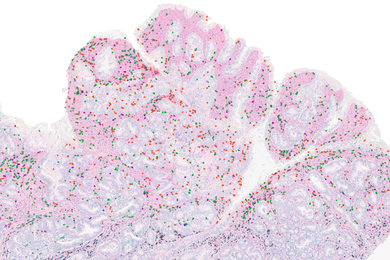
The findings could help doctors identify cancer patients who would benefit the most from drugs called checkpoint blockade inhibitors.
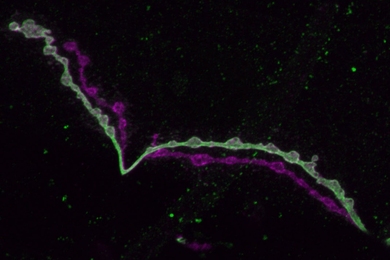
Researchers compared a pair of superficially similar motor neurons in fruit flies to examine how their differing use of the same genome produced distinctions in form and function.
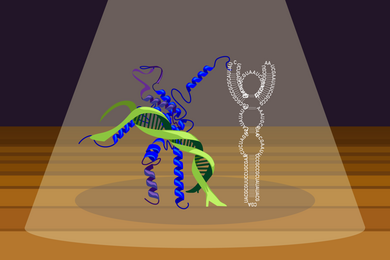
Whitehead Institute researchers find many transcription factors bind RNA, which fine-tunes their regulation of gene expression, suggesting new therapeutic opportunities.

A new approach for identifying significant differences in gene use between closely-related species provides insights into human evolution.
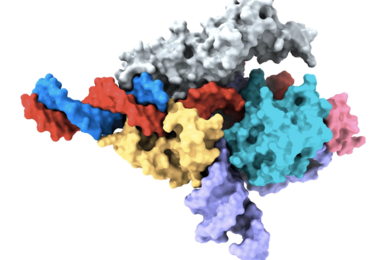
The first RNA-guided DNA-cutting enzyme found in eukaryotes, Fanzor could one day be harnessed to edit DNA more precisely than CRISPR/Cas systems.

MIT researchers characterize gene expression patterns for 22,500 brain vascular cells across 428 donors, revealing insights for Alzheimer’s onset and potential treatments.
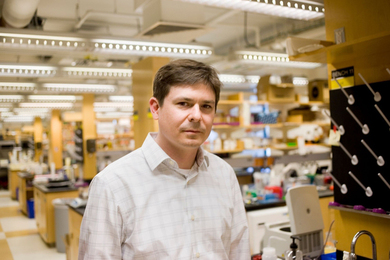
Synthetic biology expert to succeed Angela Belcher as department head effective Aug. 1.
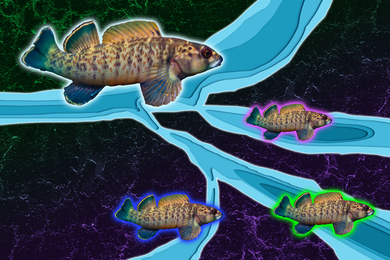
The new findings could explain biodiversity hotspots in tectonically quiet regions.

With the new method, scientists can explore many cancer mutations whose roles are unknown, helping them develop new drugs that target those mutations.