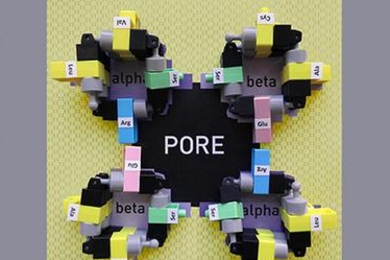
Flipping the script on biology education, and scaling it up
Using a modular kit, the MIT Edgerton Center is bringing a hands-on biology curriculum to Massachusetts’ second-largest school district.
Using a modular kit, the MIT Edgerton Center is bringing a hands-on biology curriculum to Massachusetts’ second-largest school district.

A study of worms finds a protein that helps shape the structure of the genome is critical for establishing the identity of some neurons.
Derived from patient tumor samples and available to researchers around the world, the cells will aid the development of new cancer treatments.
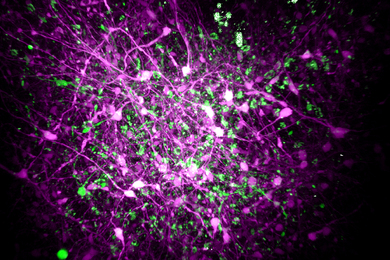
Using advanced human cell cultures, MIT researchers tracked how two different mutations alter neural circuit development, and how each could be addressed with distinct potential therapeutics.
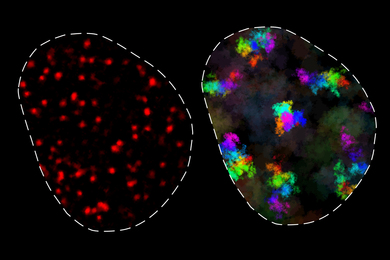
By monitoring these chromosomal structures over many timescales, MIT researchers found that chromatin helps bring genes closer to their regulatory elements.
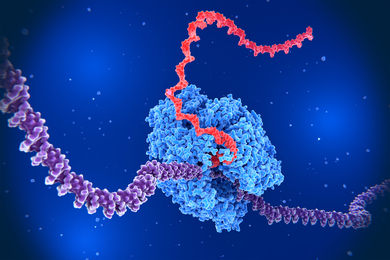
When genes are transcribed, they suppress or activate their neighbors, coupling expression between the two genes.
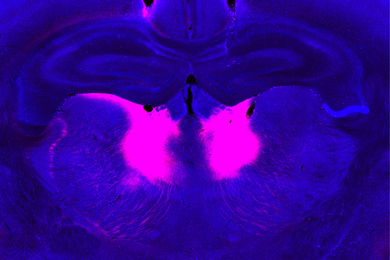
Impairments of this circuit may help to explain why some people with schizophrenia lose touch with reality.
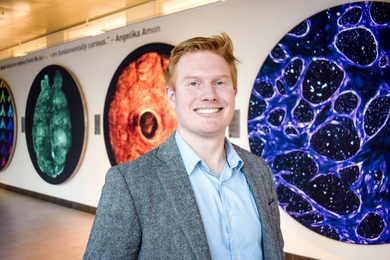
Assistant Professor Matthew Jones is working to decode molecular processes on the genetic, epigenetic, and microenvironment levels to anticipate how and when tumors evolve to resist treatment.

By providing holistic information on a cell, an AI-driven method could help scientists better understand disease mechanisms and plan experiments.
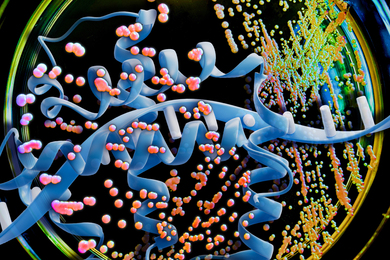
MIT researchers used a large language model to optimize the genetic sequences of proteins manufactured by yeast, making production more efficient.
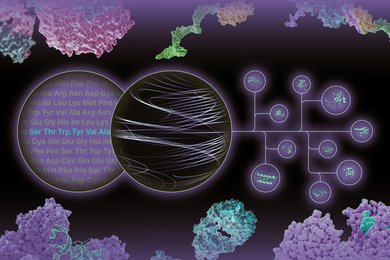
Founded by three MIT alumni, Gensaic uses AI-guided protein design to deliver RNA and other therapeutic molecules to specific cells or areas of the body.
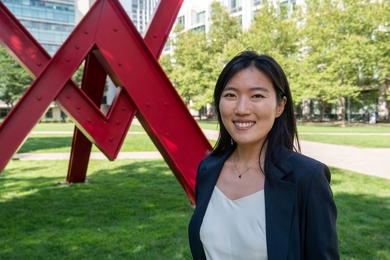
Assistant Professor Yunha Hwang utilizes microbial genomes to examine the language of biology. Her appointment reflects MIT’s commitment to exploring the intersection of genetics research and AI.
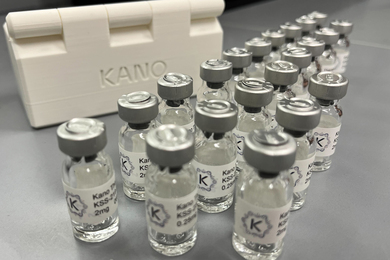
With its circular single-stranded DNA molecules, MIT spinout Kano Therapeutics plans to make gene and cell therapies safer and more effective.

New findings may help researchers identify genetic mutations that contribute to rare diseases, by studying when and how single genes produce multiple versions of proteins.

The KATMAP model, developed by researchers in the Department of Biology, can predict alternative cell splicing, which allows cells to create endless diversity from the same sets of genetic blueprints.