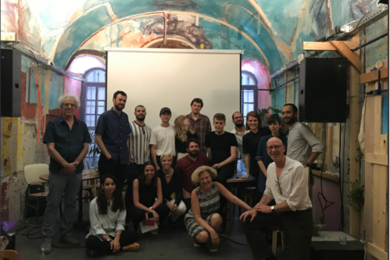
Mobilizing across borders to address global challenges
MISTI Global Seed Funds program provides millions of dollars to advance international collaborations for MIT faculty.
MISTI Global Seed Funds program provides millions of dollars to advance international collaborations for MIT faculty.

Twenty winning projects will link industry member priorities with research groups across campus to develop scalable climate solutions.
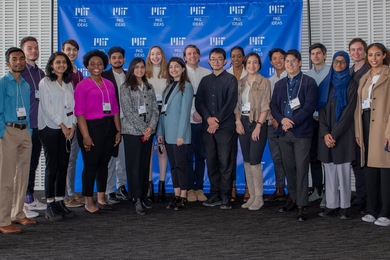
IDEAS awards more than $50,000 in grants across six student-led teams to develop projects addressing social and environmental challenges.
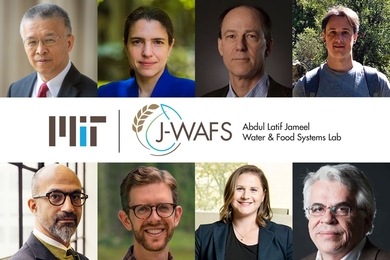
The grants total over $1 million in support of research that addresses issues in the water and food sectors.
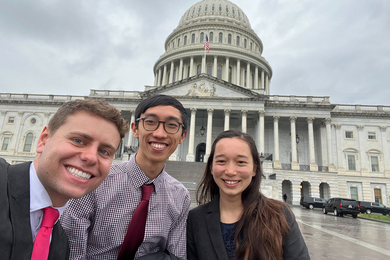
Students and postdocs from MIT's Science Policy Initiative meet with lawmakers on science-engineering-technology Congressional Visit Days 2022.
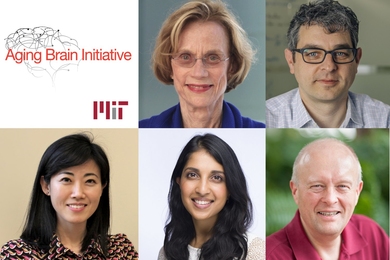
Competitive seed grants launch yearlong investigations of novel hypotheses about potential causes, biomarkers, treatments of Alzheimer’s and ALS.

A new platform will unite climate models, impact predictions, random control trial evaluations, and humanitarian services to bring cutting-edge tools to Bangladeshi communities.
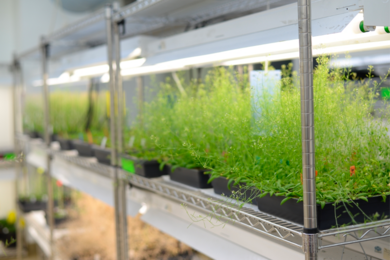
A Climate Grand Challenges flagship project aims to reduce agriculture-driven emissions while making food crop plants heartier and more nutritious.
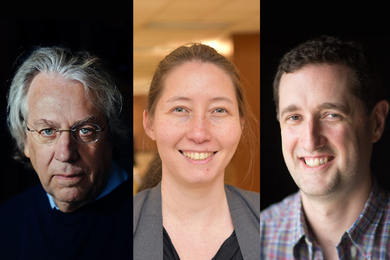
To better inform local policy in the face of changing weather extremes, MIT researchers seek to advance the modeling of long-term weather risks.
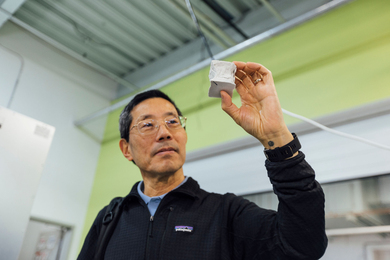
The Center for Electrification and Decarbonization of Industry unites MIT climate researchers to create scalable clean energy solutions under one roof.

To put global climate modeling at the fingertips of local decision-makers, some scientists think it’s time to rethink the system from scratch.
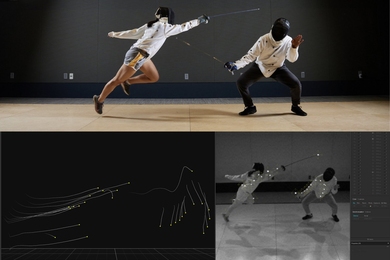
The NCSOFT-sponsored program will advance cutting-edge technologies for gaming and data visualization.
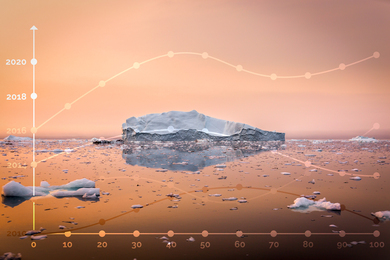
Faculty leaders highlight innovations that can close longstanding knowledge gaps and reimagine how the world responds to the climate crisis.

Brent Minchew leads two proposals to better understand glacial physics and predict sea-level rise as part of MIT's Climate Grand Challenges competition.
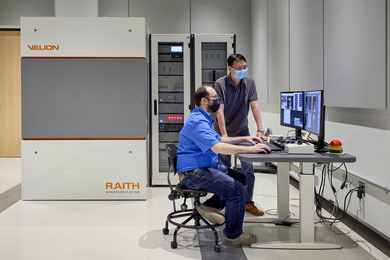
National Science Foundation award will allow the VELION FIB-SEM to become a permanent instrument in MIT.nano’s characterization facility.