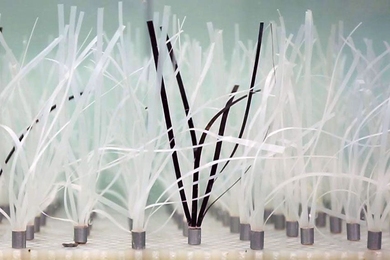
Study demonstrates seagrass’ strong potential for curbing erosion
Ubiquitous marine plants dissipate wave energy and could help protect vulnerable shorelines.
Ubiquitous marine plants dissipate wave energy and could help protect vulnerable shorelines.
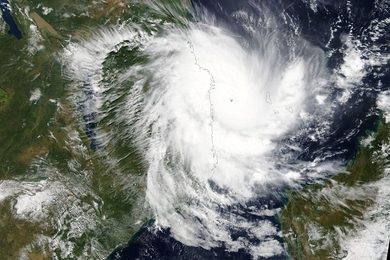
Economic benefits of mitigation arrive much sooner than previously thought.
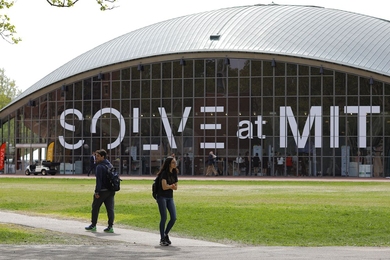
Prizes from GM, the Patrick J. McGovern Foundation, Vodafone Americas Foundation, and others will be awarded to Solver teams selected from four Global Challenges.

Inaugural event for MIT’s climate action groups showcases ways the Institute is reaching outside its walls to make new contributions on climate change.
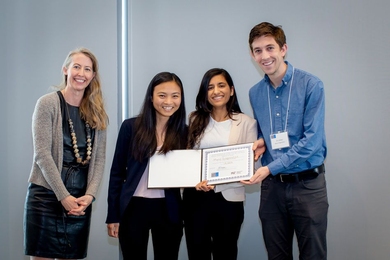
Ten student teams receive $100,000 in combined awards to pursue their impact-driven projects.

Raffaele Ferrari honored with School of Science Ally of Nature Fund Award.
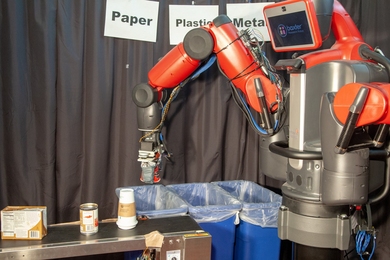
CSAIL’s "RoCycle" system uses in-hand sensors to detect if an object is paper, metal or plastic.
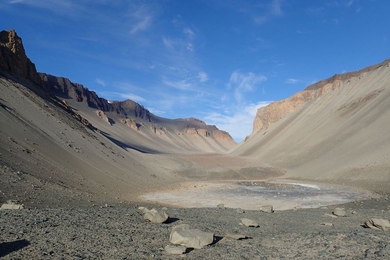
Study finds shallow bodies of water were probably more suitable for Earth’s first life forms.

Long-haul trucks with electric motors combined with gas-alcohol engines could slash pollution levels and greenhouse gases.

Proposals are invited for basic and translational environmental health sciences research.
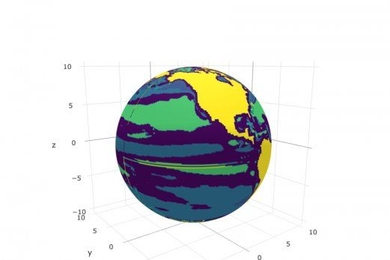
Maike Sonnewald adapts a method that identifies areas of the global ocean with similar physics, revealing global dynamical regimes.
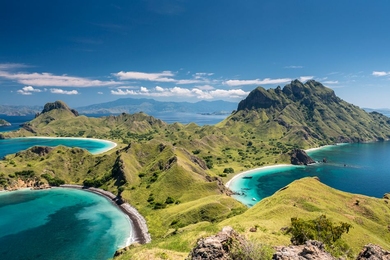
Major tectonic collisions near the equator have caused three ice ages in the last 540 million years.

Anyone can submit tech-based solution applications until July 1.
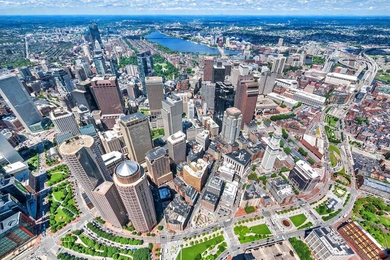
New prize honors legendary developer and philanthropist Norman B. Leventhal.

J-WAFS-funded MIT research team shows a new method of fertilizer production can better suit the needs of farms in Africa and around the globe.