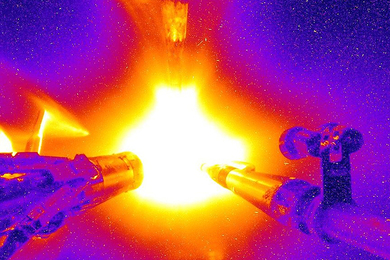
MIT students contribute to success of historic fusion experiment
Students are part of large team that achieved fusion ignition for the first time in a laboratory.
Students are part of large team that achieved fusion ignition for the first time in a laboratory.
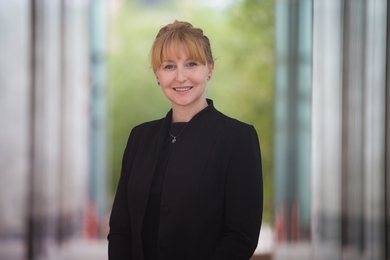
Fusion physics pioneer and MIT climate change leader Anne White hopes to help “save the world with nuclear.”
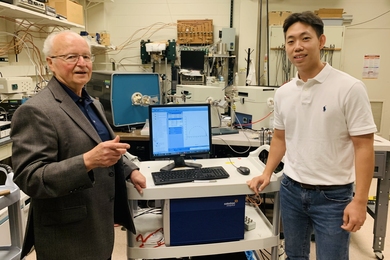
MIT researchers find that changing the pH of a system solves a decades-old problem.
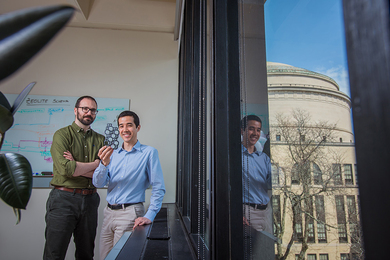
MIT engineers are controlling pore openings for maximum molecule capture.

Lincoln Laboratory Supercomputing Center dataset aims to accelerate AI research into managing and optimizing high-performance computing systems.

Made from inexpensive, abundant materials, an aluminum-sulfur battery could provide low-cost backup storage for renewable energy sources.
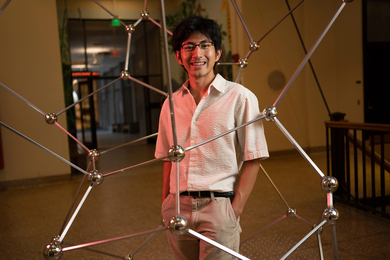
PhD student Pablo Leon uses machine learning to expedite research on novel battery materials, while helping newer students navigate graduate school.
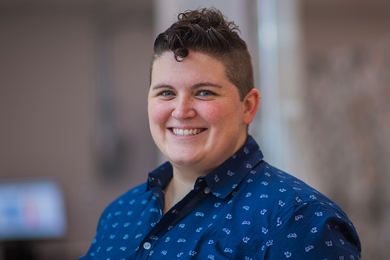
Joy Dunn ’08 helps solve the world’s greatest climate challenges while creating an open and equitable working environment.
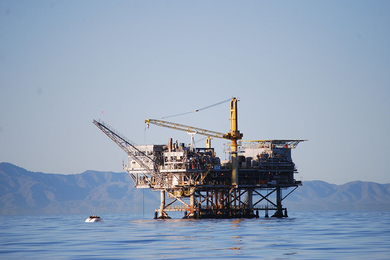
A new study estimates potential losses by 2050 amid low-carbon energy transition.
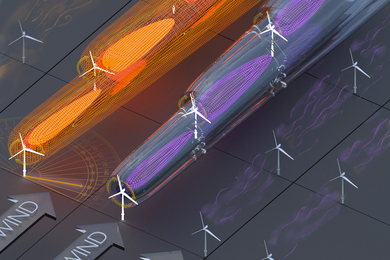
By modeling the conditions of an entire wind farm rather than individual turbines, engineers can squeeze more power out of existing installations.
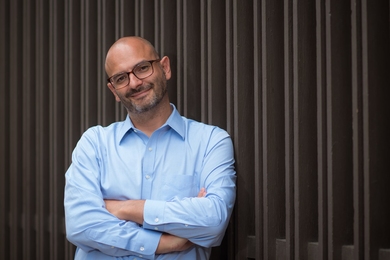
Hailing from a small town in Italy, Matteo Bucci is determined to address some of the unknowns plaguing fundamental science.
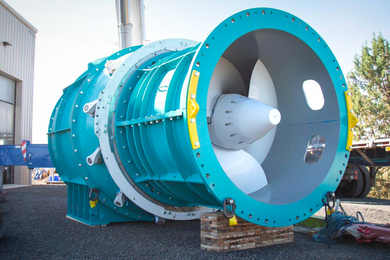
Natel Energy, founded by sibling MIT alumni, is deploying hydropower systems with fish-safe turbines and other features that mimic natural river conditions.
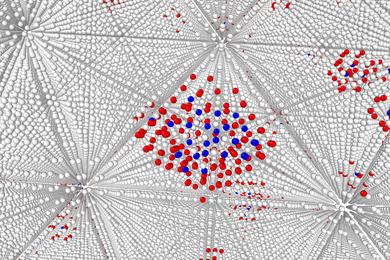
More complete than existing methods, the new approach might enable longer operational lifetimes for nuclear reactors.

Engineers working on “analog deep learning” have found a way to propel protons through solids at unprecedented speeds.
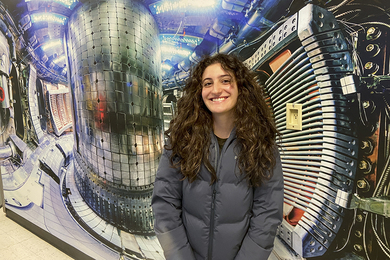
High school student Tuba Balta engages new audiences through her MIT internship.