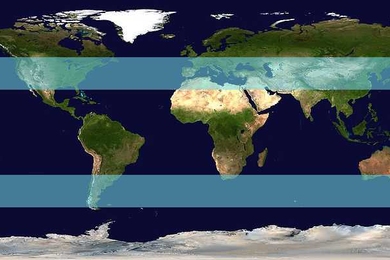
Study sees changing intensity of storms from warming
Hemispheres will respond to climate change differently, with weaker summer storms in the North, study suggests.
Hemispheres will respond to climate change differently, with weaker summer storms in the North, study suggests.
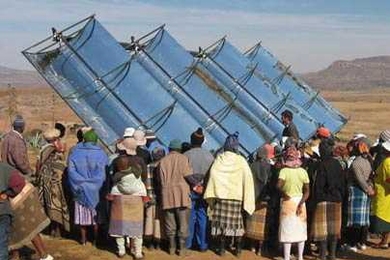
Three MIT-connected teams were among five finalists and won top two prizes in ConocoPhillips award program

Facilities engineer discusses how MIT is leading the way for universities to practice what they preach on energy efficiency.
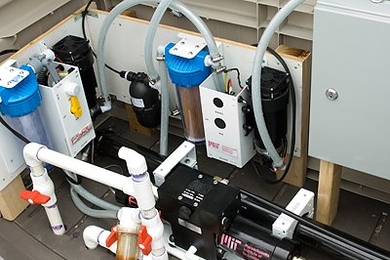
MIT team designs solar-powered portable desalination system to use in disaster zones and remote regions.

During MIT visit, Arun Majumdar issues a wake-up call but says his agency alone cannot solve the energy problem.


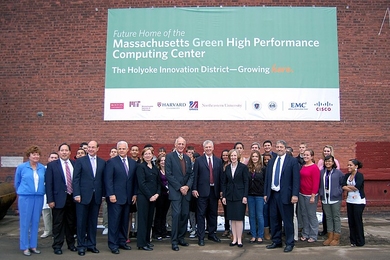
President Hockfield joins Gov. Patrick and others at groundbreaking ceremony.

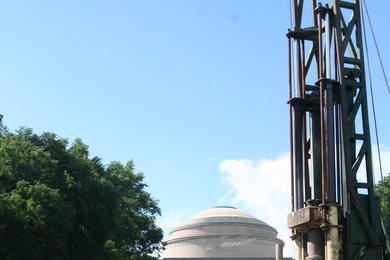
Civil engineers develop new probe for determining soil characteristics.

Lessons learned from the BP oil spill could help both companies and regulators to be more ready for the next emergency.
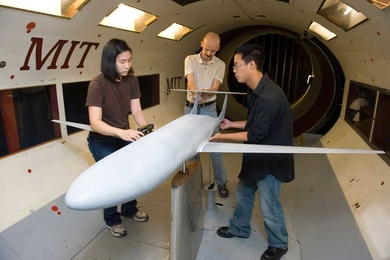
Unique plane offers significant reduction in emissions, noise and fuel use.

Study suggests pollution from airplanes flying at ‘cruise’ altitudes contributes to 8,000 deaths per year globally.
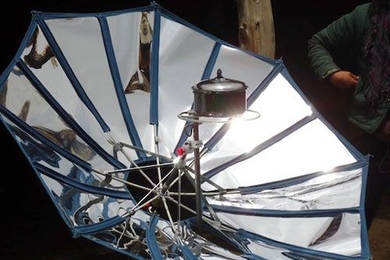
Low-cost portable device developed at MIT wins major prize in Netherlands competition.

Courses on energy include economics, political science, history, literature and more.