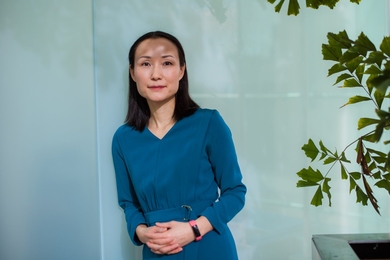
Helping the cause of environmental resilience
Assistant professor of nuclear science and engineering Haruko Wainwright believes environmental monitoring can empower citizens to make informed decisions about their energy and environment.
Assistant professor of nuclear science and engineering Haruko Wainwright believes environmental monitoring can empower citizens to make informed decisions about their energy and environment.
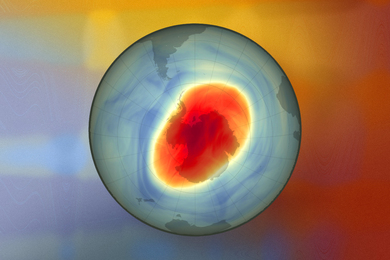
MIT chemists show the Australian wildfires widened the ozone hole by 10 percent in 2020.

The MIT senior will pursue graduate studies in earth sciences at Cambridge University.
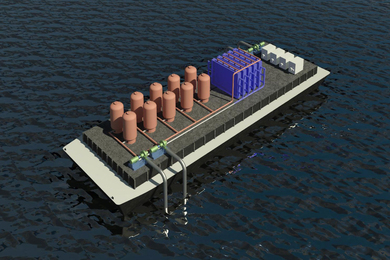
A new method for removing the greenhouse gas from the ocean could be far more efficient than existing systems for removing it from the air.

Since 1968, the MIT-WHOI Joint Program has provided research and educational opportunities for PhD students seeking to explore the marine world.
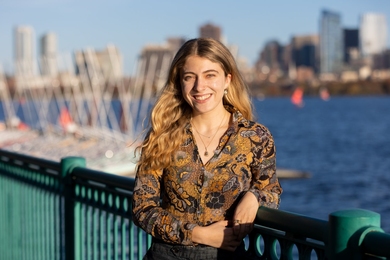
Using sand and rock, MIT senior Aviva Intveld tells stories of ancient climates.
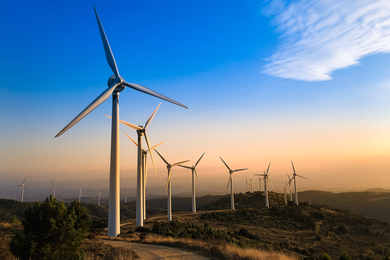
Health benefits of using wind energy instead of fossil fuels could quadruple if the most polluting power plants are selected for dialing down, new study finds.
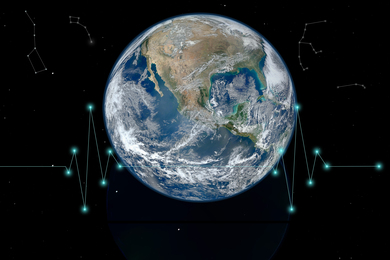
Scientists have confirmed that a “stabilizing feedback” on 100,000-year timescales keeps global temperatures in check.
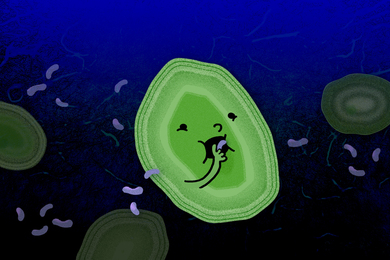
Up to one-third of the carbon consumed by Prochlorococcus may come from sources other than photosynthesis.
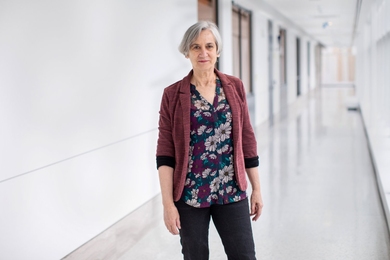
The MIT professor combines geophysics and geology to understand what’s happening beneath the crust.
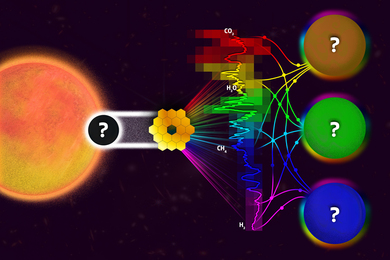
Refining current opacity models will be key to unearthing details of exoplanet properties — and signs of life — in data from the powerful new telescope.
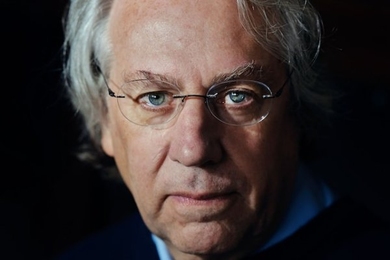
With over 200 published papers, multiple books, and countless media appearances, Emanuel’s 41 years at MIT have been marked by influential research into hurricane formation and climate change outreach.
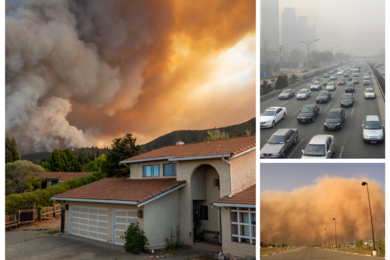
MIT research highlights the opportunity to rethink global air quality guidelines.
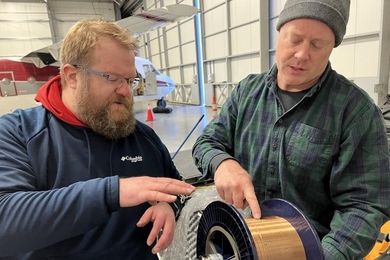
A distributed sensor network may help researchers identify the physical processes contributing to diminishing sea ice in the planet’s fastest-warming region.
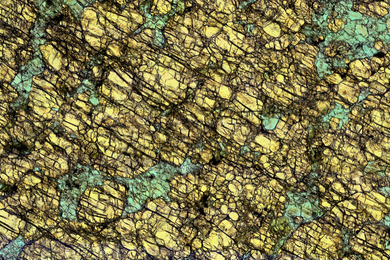
New findings may help explain how Earth’s crust forms, the location of ore deposits, and why some volcanoes are more explosive than others.