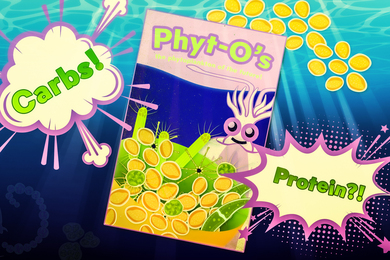
Climate change may produce “fast-food” phytoplankton
With warmer ocean temperatures, the composition of marine plankton could shift from protein-rich to carb-heavy, a new study suggests.
With warmer ocean temperatures, the composition of marine plankton could shift from protein-rich to carb-heavy, a new study suggests.
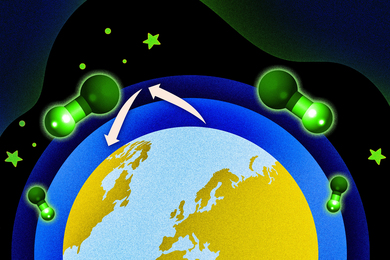
A new model shows how levels of the “atmosphere’s detergent” may rise and fall in response to climate change.
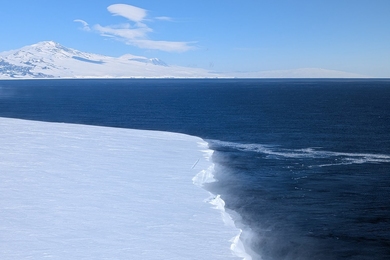
Observations suggest a major melting event at the Ross Ice Shelf was connected to atmospheric turbulence.
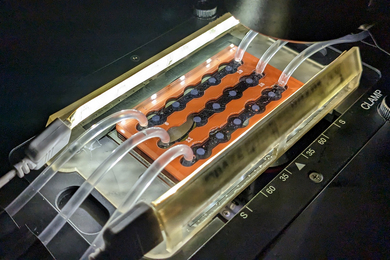
A new study finds hitchhiking bacteria dissolve essential ballast in ubiquitous “snow” particles, which could counteract the ocean’s ability to sequester carbon.
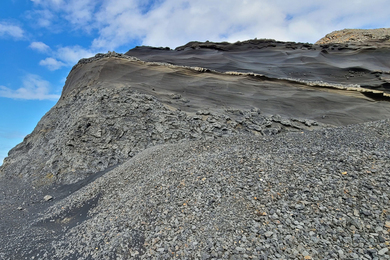
New research by MIT geophysicists could assist efforts to remove carbon from the atmosphere and store it underground.

In research that could help elucidate humans’ role in global warming, scientists showed how three major natural events impacted global atmospheric temperatures.
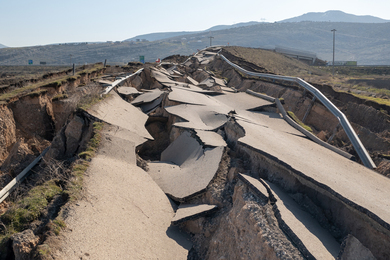
These ricocheting ruptures may be more common than previously thought.

A new study suggests aerobic respiration began hundreds of millions of years earlier than previously thought.
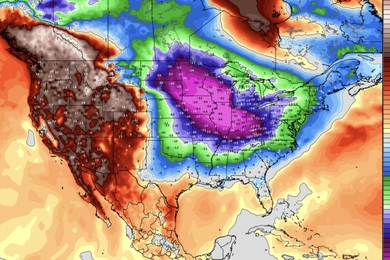
With the help of AI, MIT Research Scientist Judah Cohen is reshaping subseasonal forecasting, with the goal of extending the lead time for predicting impactful weather.

As these events become more common at midlatitudes, a phenomenon called an atmospheric inversion will determine how long they last.

Images from geostationary satellites alone aren’t enough to help planes avoid contrail-prone regions, MIT researchers report.

Cutting air travel and purchasing renewable energy can lead to different effects on overall air quality, even while achieving the same CO2 reduction, new research shows.

Solar maximum occurred within the past year — good news for aurora watchers, as the most active period for displays at New England latitudes occurs in the three years following solar maximum.
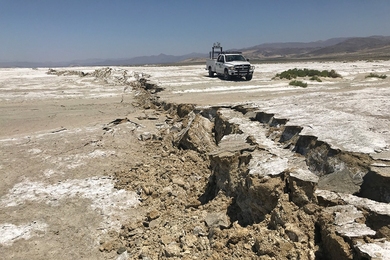
While the Earth’s upper crust recovers quickly from seismic activity, new research finds the mid-crust recovers much more slowly, if at all.
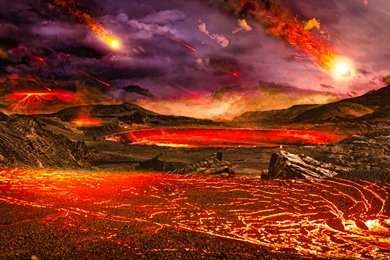
Materials from ancient rocks could reveal conditions in the early solar system that shaped the early Earth and other planets.