MIT oceanographers have an explanation for the Arctic’s puzzling ocean turbulence
New study suggests waters will become more turbulent as Arctic loses summertime ice.
Recent virtual lecture explores how paleoclimatology provides important context for examining the activities of past human societies.
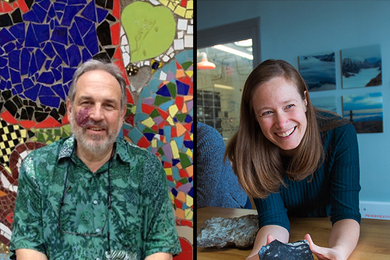
As part of NASA’s Mars 2020 mission, Professor Tanja Bosak helps determine the best samples to bring home for clues about life 4 billion years ago.
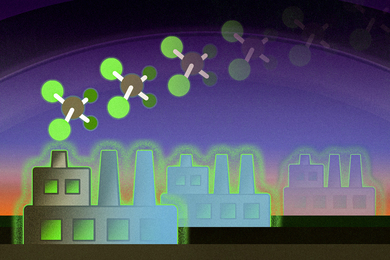
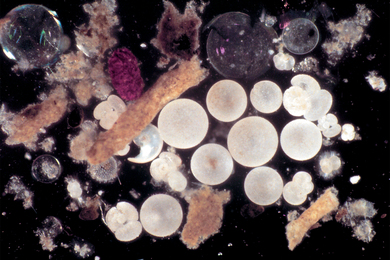
Leakage from frozen layers was a puzzle, but a new study shows how the potent greenhouse gas breaks through icy barriers.
With her students, aerospace engineer Kerri Cahoy is developing small, affordable “CubeSats” to monitor weather and search for exoplanets.
High-resolution climate projections could enable a robust adaptation and resilience response.
An online symposium explores roles for research universities and outlines the Institute’s efforts to be a testbed for research and policy innovations.
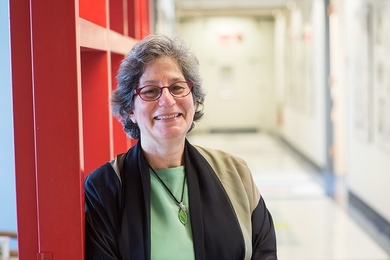
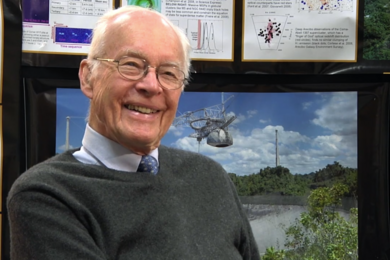
The atmospheric chemist shared the Nobel Prize for the discovery that chemicals known as CFCs deplete the ozone layer.
Study suggests parts of the Sierra Nevadas formed in a “geologic instant,” more than twice as fast as previously thought.
Study suggests sea ice blocks the flow of carbon both into and out of the ocean, in roughly equal measure.
The rocky world, with its baking-hot surface, is likely not habitable.
Project supported by the Simons Foundation aims to reinvigorate environmental science by leaning on Parsons Laboratory's past as a leader in the space.
Scientists have found evidence of hot springs near sites where ancient hominids settled, long before the control of fire.