
Cells pulse together as they grow — and malignant cells pulse the longest
MIT researchers discovered a cellular dance that may offer clues to the development of cancer, asthma, and other diseases.
MIT researchers discovered a cellular dance that may offer clues to the development of cancer, asthma, and other diseases.
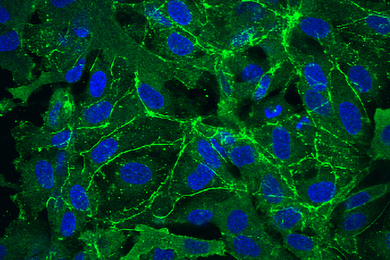
By showing the problem derives from genetic mutations that lead to overexpression of a microRNA, MIT researchers’ study points to potential treatment.
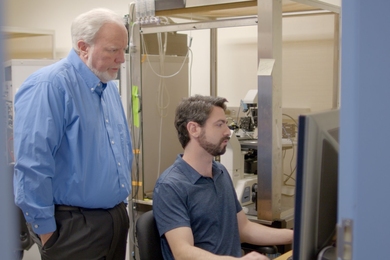
Tracking how fruit fly motor neurons edit their RNA, neurobiologists cataloged hundreds of target sites and varying editing rates, finding many edits altered communication- and function-related proteins.
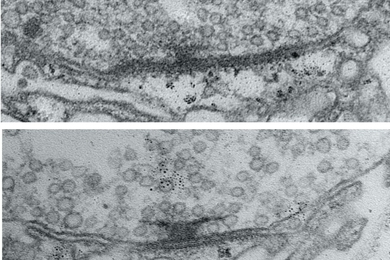
Scientists identified how circuit connections in fruit flies tune to the right size and degree of signal transmission capability. Understanding this could lead to a way to tweak abnormal signal transmission in certain disorders.

MIT CSAIL researchers developed a tool that can model the shape and movements of fetuses in 3D, potentially assisting doctors in finding abnormalities and making diagnoses.

Researchers developed a tool to recreate cells’ family trees. Comparing cells’ lineages and locations within a tumor provided insights into factors shaping tumor growth.
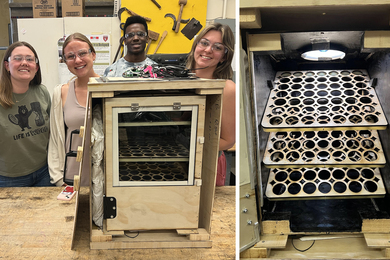
Each year, two longstanding D-Lab courses make their mark on students and communities around the world.
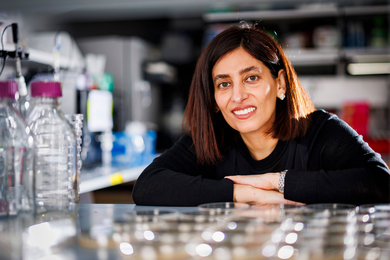
The research may enable the design of synthetic, light-activated cells for wound healing or drug delivery.

McGovern Institute researchers develop a mathematical model to help define how modularity occurs in the brain — and across nature.
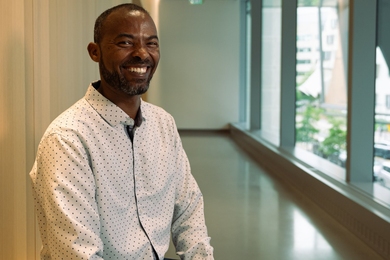
Saeed Miganeh’s work at MIT is helping him answer important questions about designing effective programs for poverty mitigation and economic growth in African countries.
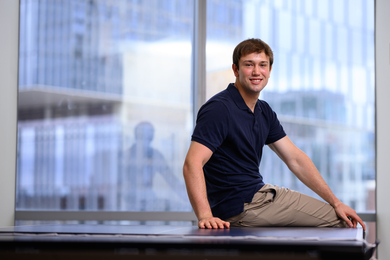
Senior James Simon wants to effect change in two ways: by quantifying societal issues and working directly with disadvantaged communities.
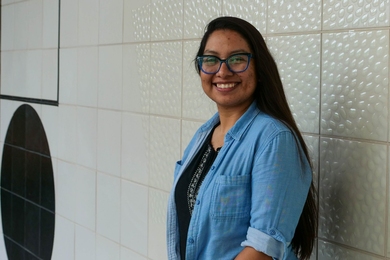
This biology graduate student is building connections through her thesis work in mouse development and her passion for cooking and baking.
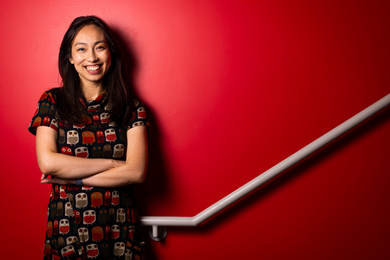
PhD candidate Lisa Ho ’17 studies barriers that limit women’s participation in the labor force.
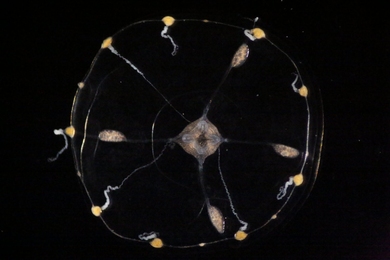
Three-year fellowship will support Weissbourd’s research on how the C. hemisphaerica jellyfish survives and thrives by constantly making new neurons.
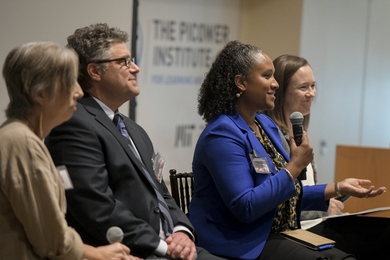
Symposium speakers describe numerous ways to promote prevention, resilience, healing, and wellness after early-life stresses.