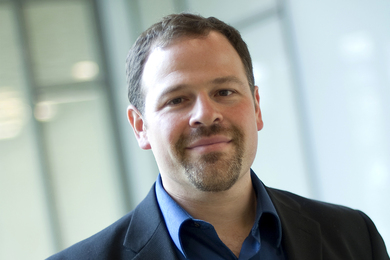
3 Questions: Adam Berinsky on how to assess election polls
MIT political scientist explains the responsibilities leaders have for shaping and sharing factual, truthful information in the nation's political discourse.
MIT political scientist explains the responsibilities leaders have for shaping and sharing factual, truthful information in the nation's political discourse.
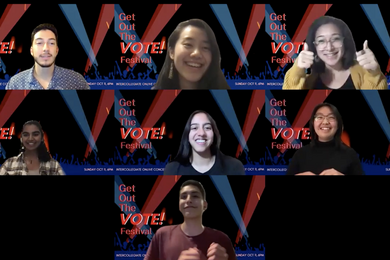
MIT student groups come together to host “voter mobilization festival” featuring Institute leaders, famed artists, and elected officials.
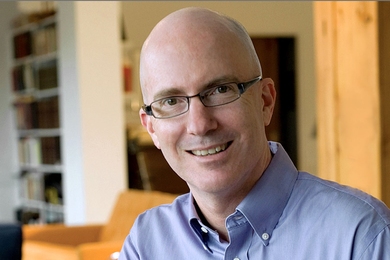
Head of the MIT Election Data and Science Lab discusses the greatest risks, voting by mail, zombies, and asteroids.
!["In my view," says MIT Professor Elizabeth Wood, "the core motivation behind [election] interference is Russia's two-fold belief a) that the most important goal of the Russian state is world power status and b) that such status cannot be achieved without recourse to espionage and manipulation."](/sites/default/files/styles/term_page__news_article/public/images/201910/MIT-SHASS-elizabeth-wood.jpg?itok=eHrV6DI4)
How do we understand Russia’s multi-layered interference in the 2016 elections? A Russia expert and professor of history analyzes Russia’s motives.
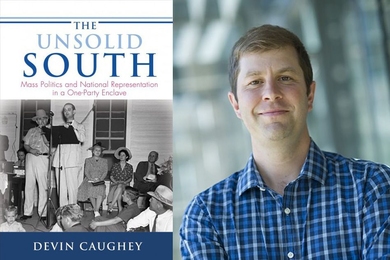
Associate Professor Devin Caughey’s new book looks at a massive political shift that took place in a one-party region.
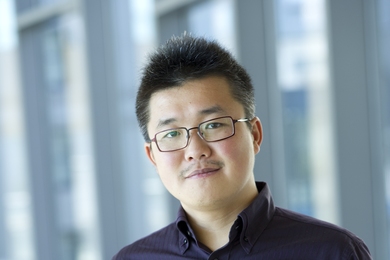
Founder Teppei Yamamoto designs new tools to comprehend political behavior transformed by digital technology.
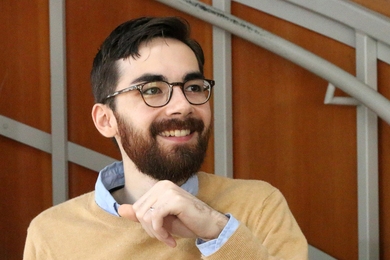
In Justin Khoo’s new class, students explore how language affects censorship, dissent, truth, and propaganda.

A Mens et Manus America conversation with Jason Jay reveals research on how to have meaningful conversations with people holding opposing viewpoints.
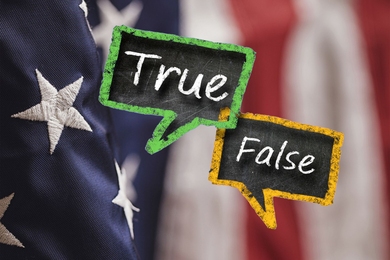
Adam Berinsky and Ezra Zuckerman Sivan present research on rumors and falsehoods in U.S. politics.
!["At a fundamental level, the conduct of elections affects the experience of voters and people’s trust in American democracy," writes the William and Flora Hewlett Foundation in a press release announcing their funding of the MIT Election Data and Science Lab. "It’s imperative that we, as a nation, get this right and we believe that this lab, under Professor [Charles] Stewart’s leadership, ca...](/sites/default/files/styles/term_page__news_article/public/images/201701/us-flag-circuits-mit-election-lab-00.jpeg?itok=UkLhbIal)
Founded by political scientist Charles Stewart III, the Election Lab focuses on non-partisan research, data, and analysis to improve elections.
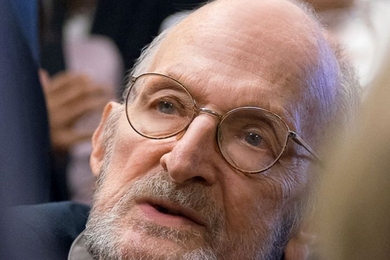
Scholar and noted expert in the life of French diplomat and political scientist Alexis de Tocqueville was an acclaimed MIT teacher.
Joint course helps students meet the complex challenges of modern election systems.
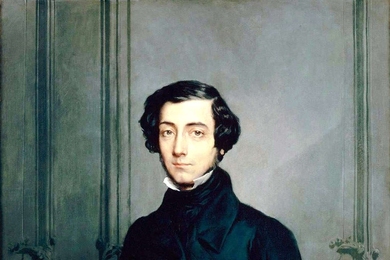
MIT historian’s re-evaluation of Democracy in America emphasizes Alexis de Tocqueville’s doubts and concerns about politics in the United States.