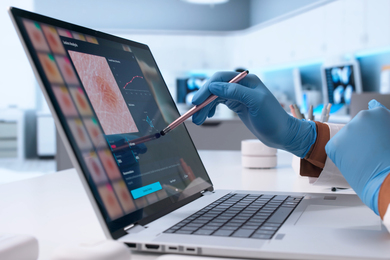
The benefits of medical AI assistance vary based on user expertise
Study finds non-experts deferred to LLM-based diagnostic assistance, even when it was wrong, while clinicians caught AI errors.
Study finds non-experts deferred to LLM-based diagnostic assistance, even when it was wrong, while clinicians caught AI errors.
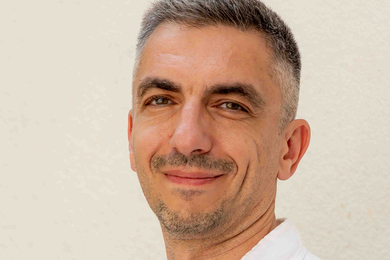
An expert in machine learning, statistics, and computation, Rakhlin succeeds Professor Ankur Moitra.
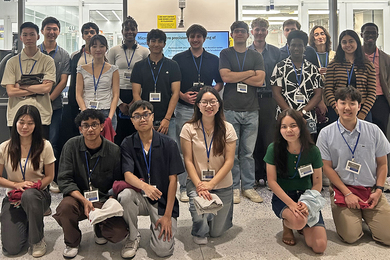
The 2026 NEMC Hub-sponsored externship gave students access to world-class research, advanced semiconductor manufacturing, and professionals driving innovation across the Northeast.
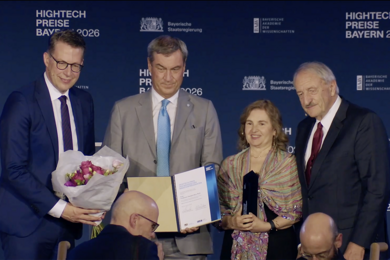
Director of CSAIL and MIT professor honored for her contributions to robotics, artificial intelligence, and autonomous systems.
Known for his clear and elegant writing style, Bertsekas shaped fields from control and optimization to large-scale computation and artificial intelligence.
Assistant Professor Bailey Flanigan has arrived at complex computational methods for helping democracy thrive.
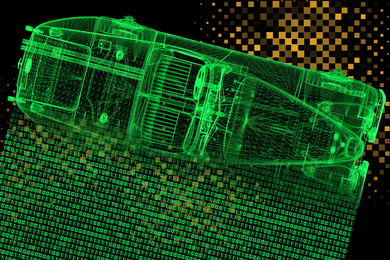
Researchers developed an automated framework that helps AI models generate CAD programs more accurately and efficiently.
Assistant Professor Pat Pataranutaporn describes a new interface that lets everyday users glimpse inside an AI's neural network before their chatbot ever says a word.
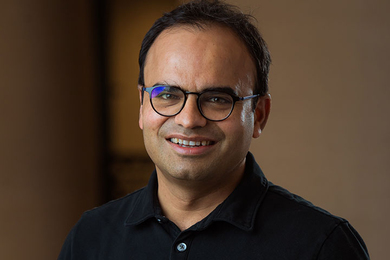
Through research and entrepreneurship, Professor Devavrat Shah is helping to design methods that can handle constant decision-making using limited computational resources.
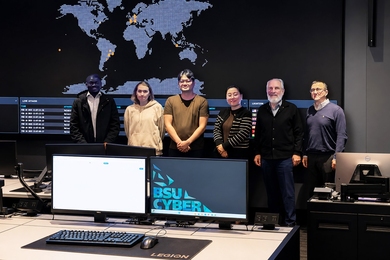
Students from the MIT Cybersecurity Clinic help local governments and other vulnerable organizations defend against digital threats.
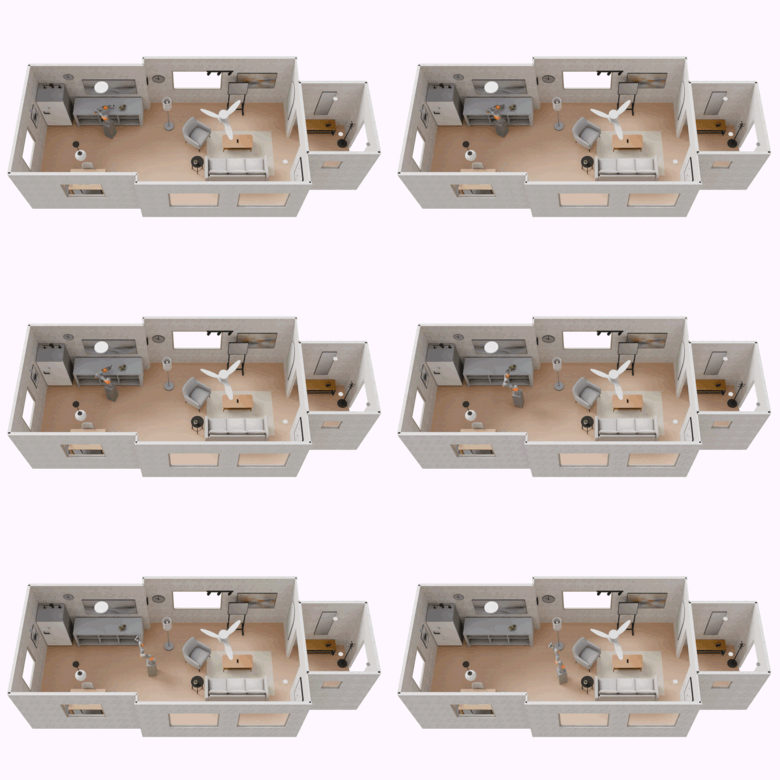
“SceneSmith” system uses collaborative AI agents to create realistic 3D environments of places like kitchens, hotels, and living rooms, where robots can simulate everyday chores.

Researchers developed an auditing technique to test generative AI models for malicious capabilities, without prompting them for illegal outputs.
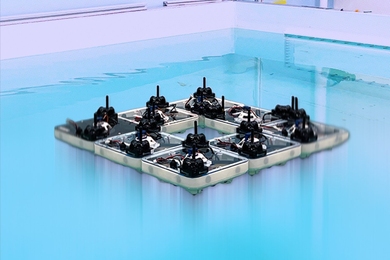
MIT researchers developed FloatForm, a swarm of small aquatic robots that snap together like ants forming a raft, assembling into reconfigurable structures on the water.
A USAF cadet and a Lincoln Laboratory researcher found AI chatbots can help nontechnical service members produce viable software applications for their unique problems.
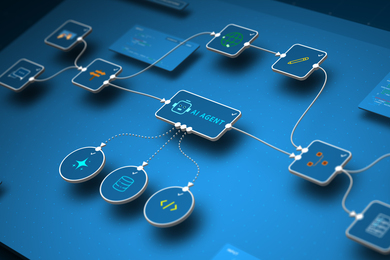
Computer scientist Phillip Isola cuts through the hype to explain how AI agents work and what the future might hold for this rapidly advancing technology.