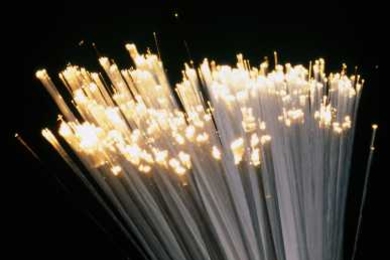
An Internet 100 times as fast
A new network design that avoids the need to convert optical signals into electrical ones could boost capacity while reducing power consumption.
A new network design that avoids the need to convert optical signals into electrical ones could boost capacity while reducing power consumption.

She meets with leaders of government, business and academia -- as well as MIT alumni -- during stops in Beijing, Shanghai, Hong Kong and Taipei.
A new standard from the World Wide Web Consortium brings the Web a step closer to realizing the vision of its inventor, Tim Berners-Lee.
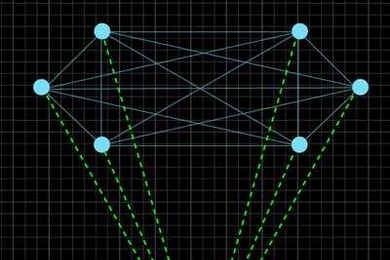
Complex computer models can involve thousands of variables. But paradoxically, adding more variables can sometimes make them easier to work with.

With a single piece of inexpensive hardware — a multicolored glove — MIT researchers are making Minority Report-style interfaces more accessible.

MIT encryption pioneer recognized for ‘extraordinary’ contributions in computer science
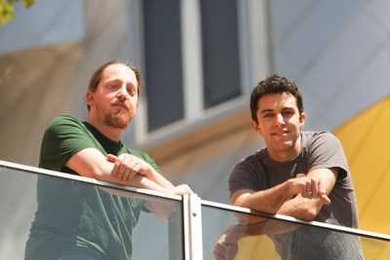
New math will make it much easier to build machine-learning systems that tackle a wider range of problems.

MIT student leads project using balloons and kites to provide aerial documentation of the Gulf oil slick’s extent and effects

By exploiting a simple but counterintuitive trick, a new system finds sections of computer programs where accuracy can be traded for speed.

Object recognition systems that break images into ever smaller parts should be much more efficient and may shed light on how the brain works.
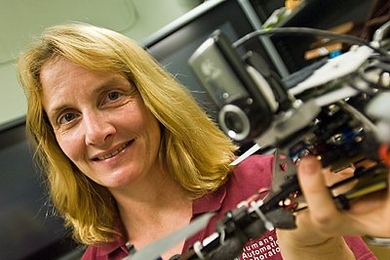
Former U.S. Naval fighter pilot aims to improve how humans and computers interact.

A new approach unites two prevailing but often opposed strains in the history of artificial-intelligence research.

By preventing web applications from deviating from their normal behavior, a new MIT system can keep them online even during a cyberattack.
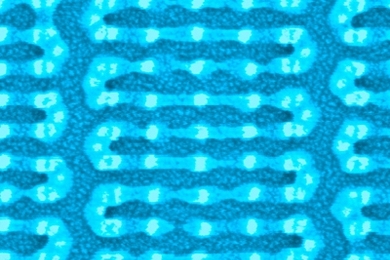
Molecules that arrange themselves into predictable patterns on silicon chips could lead to microprocessors with much smaller circuit elements.