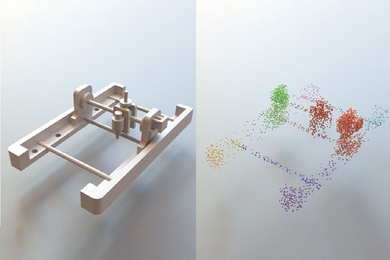
Customizing computer-aided design
System breaks down complex designs into easily modifiable shapes for custom manufacturing and 3-D printing.
Download RSS feed: News Articles / In the Media / Audio
System breaks down complex designs into easily modifiable shapes for custom manufacturing and 3-D printing.
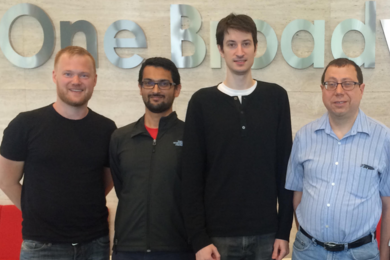
Awarded every four years, the Wilkinson Prize last came to MIT in 1999.
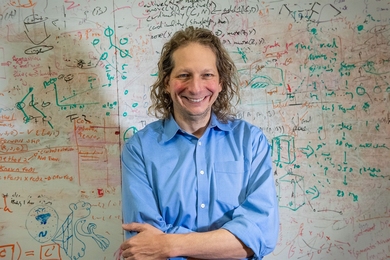
Professor honored for work on the nature and origins of intelligence in the human mind and applying that knowledge to build human-like intelligence in machines.

A recent MIT symposium explores methods for making artificial intelligence systems more reliable, secure, and transparent.

CSAIL's new RePaint system aims to faithfully recreate your favorite paintings using deep learning and 3-D printing.
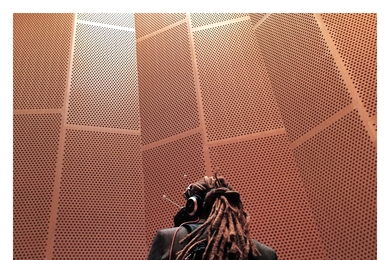
The new center will explore how MIT can use virtual reality and artificial intelligence and other technologies to better serve human needs.
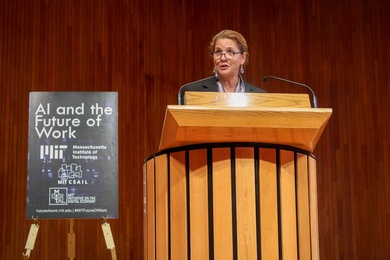
Speakers at the summit included Massachusetts Secretary of Labor Rosalin Acosta and former Google chairman Eric Schmidt.
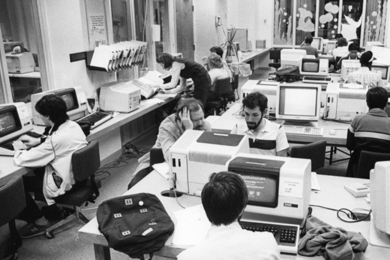
A revolutionary educational project in the 1980s put the tools of computation in students’ hands — and foreshadowed even greater changes.

Study identifies reasons for unsettled editing disagreements and offers predictive tools that could improve deliberation.
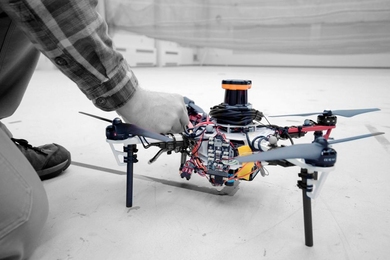
System allows drones to cooperatively explore terrain under thick forest canopies where GPS signals are unreliable.
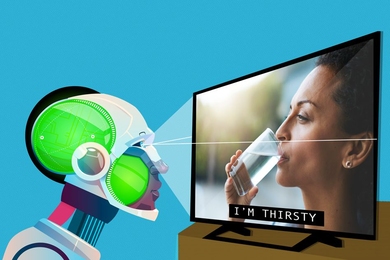
Computer model could improve human-machine interaction, provide insight into how children learn language.
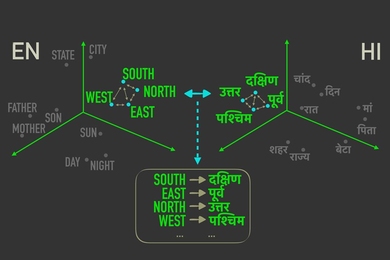
New system may open up the world’s roughly 7,000 spoken languages to computer-based translation.
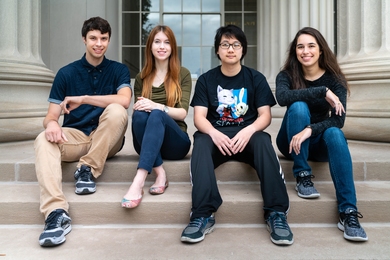
Kaley Brauer, Sarah Greer, William Moses, and Paul Zhang will receive DoE support to fuel research that tackles problems of national importance.

Faculty members recognized for excellence via a diverse array of honors, grants, and prizes over the last quarter.

New system breaks up cache memory more efficiently to better protect computer systems against timing attacks.