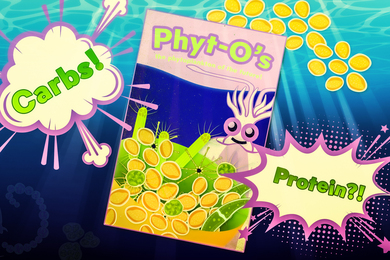
Climate change may produce “fast-food” phytoplankton
With warmer ocean temperatures, the composition of marine plankton could shift from protein-rich to carb-heavy, a new study suggests.
With warmer ocean temperatures, the composition of marine plankton could shift from protein-rich to carb-heavy, a new study suggests.
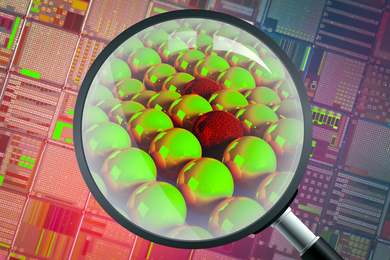
A new model measures defects that can be leveraged to improve materials’ mechanical strength, heat transfer, and energy-conversion efficiency.
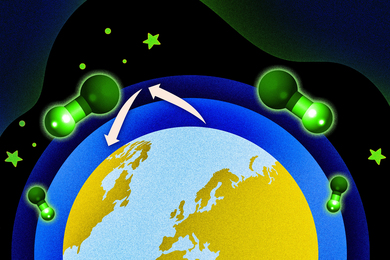
A new model shows how levels of the “atmosphere’s detergent” may rise and fall in response to climate change.
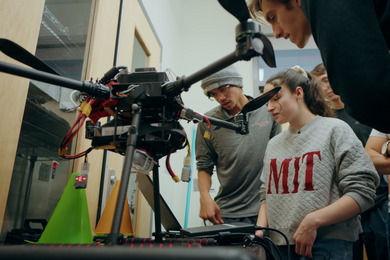
In 16.85 (Design and Testing of Autonomous Vehicles), AeroAstro students build software that allows autonomous flight vehicles to navigate unknown environments.

To help generative AI models create durable, real-world accessories and decor, the PhysiOpt system runs physics simulations and makes subtle tweaks to its 3D blueprints.

In research that could help elucidate humans’ role in global warming, scientists showed how three major natural events impacted global atmospheric temperatures.

By minimizing the need to drive around looking for a parking spot, this technique can save drivers up to 35 minutes — and give them a realistic estimate of total travel time.
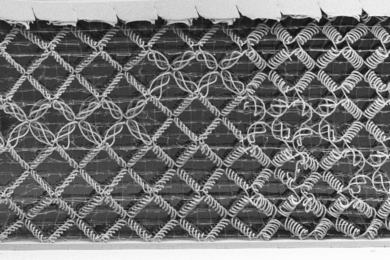
New framework supports design and fabrication of compliant materials such as printable textiles and functional foams, letting users predict deformation and material failure.
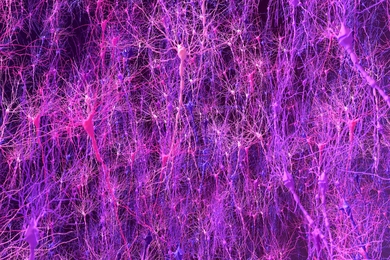
New “biomimetic” model of brain circuits and function at multiple scales produced naturalistic dynamics and learning, and even identified curious behavior by some neurons.
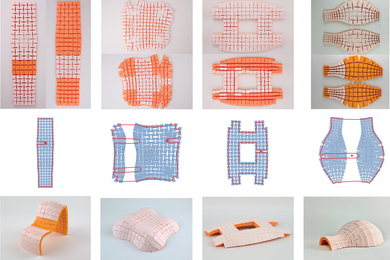
A new method could enable users to design portable medical devices, like a splint, that can be rapidly converted from flat panels to a 3D object without any tools.

Nuclear waste continues to be a bottleneck in the widespread use of nuclear energy, so doctoral student Dauren Sarsenbayev is developing models to address the problem.

Tools for forecasting and modeling technological improvements and the impacts of policy decisions can result in more effective and impactful decision-making.
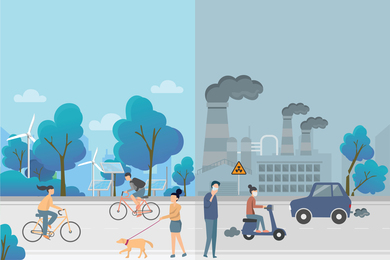
Cutting air travel and purchasing renewable energy can lead to different effects on overall air quality, even while achieving the same CO2 reduction, new research shows.
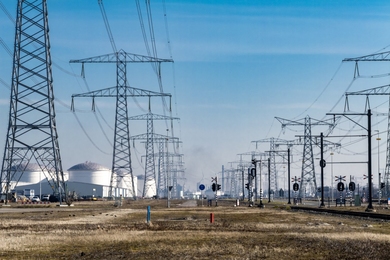
Macro, a modeling tool developed by the MIT Energy Initiative, enables energy-system planners to explore options for developing infrastructure to support decarbonized, reliable, and low-cost power grids.

The virtual VideoCAD tool could boost designers’ productivity and help train engineers learning computer-aided design.