
Life and learning find a way during a pandemic
Despite Covid-19 physical distancing, the Department of Biology has come together while being apart.
Despite Covid-19 physical distancing, the Department of Biology has come together while being apart.
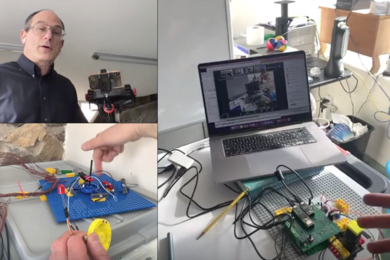
After a quick change of plans owing to Covid-19, global education lab discovers the benefits of shifting to a virtual format.
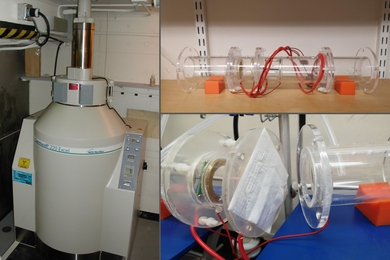
Nuclear scientists and biomedical researchers team up to investigate whether treatment with gamma radiation could make N95 masks more reusable.
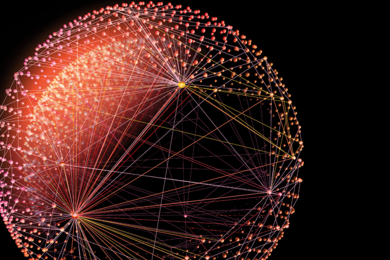
CCI and Takeda collaborate on a theoretical approach leveraging networks of people and machines in support of individuals experiencing depression.
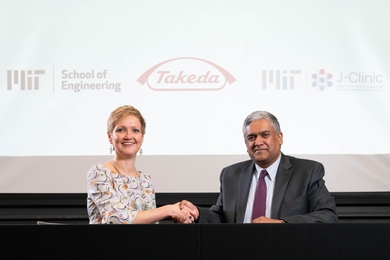
A key part of J-Clinic, the MIT-Takeda Program will create educational opportunities and support cutting-edge research to positively impact human health.
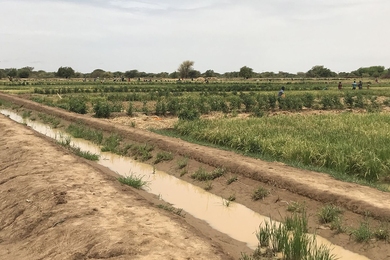
A J-WAFS connection brings together two MIT research teams helping to advance irrigation in sub-Saharan Africa.
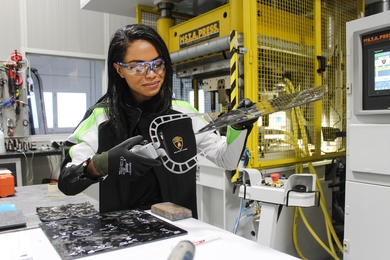
MIT-Italy helps build supercharged partnerships on campus and across the globe.
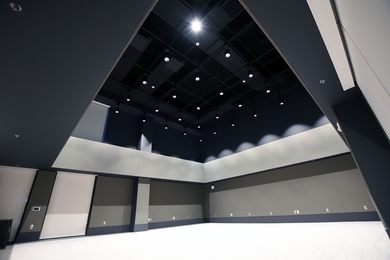
Five software and hardware projects will launch the MIT.nano Immersion Lab Gaming Program.

Fifty years after the first moon landing with Apollo 11, the Department of Aeronautics and Astronautics looks to the future of space exploration at MIT.
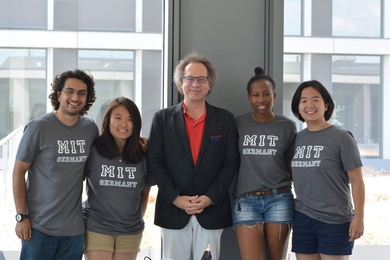
A new agreement includes student programming, workshops, seed funds, and another five years of growing collaboration.
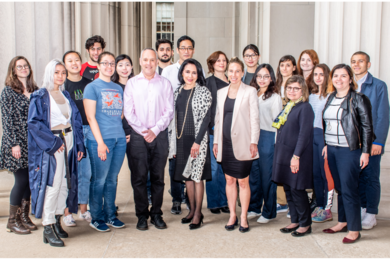
Advanced functional fabrics workshop, held jointly with AFFOA and industrial partner New Balance, develops concepts for biodegradable footwear, active textiles.

Diverse array of companies will counsel, collaborate to boost nanoscale research.
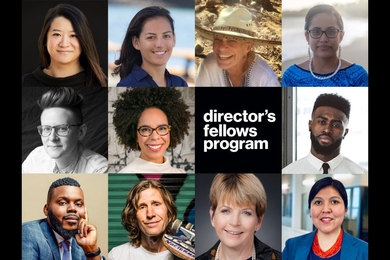
NBA star, Polynesian voyager, mayor of Stockton, California, are among the new cohort working to build bridges between MIT and the world.
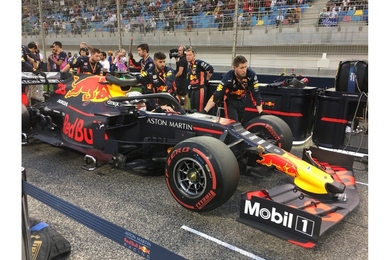
One-day workshops bring executives into the “inner sanctum” of motor sports for innovative insights with real-world applications.
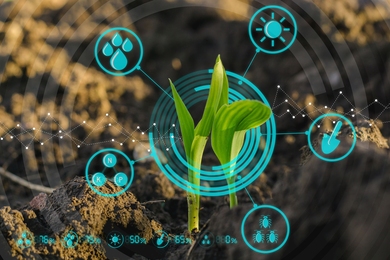
Research from the Institute for Data, Systems, and Society aims to help African farmers increase their production and profits with better prediction.