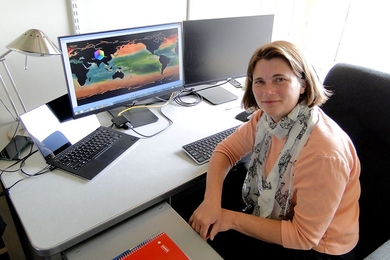
Computing the ocean’s true colors
Stephanie Dutkiewicz’ phytoplankton models project the future of the ocean as food source and carbon sink.
Stephanie Dutkiewicz’ phytoplankton models project the future of the ocean as food source and carbon sink.
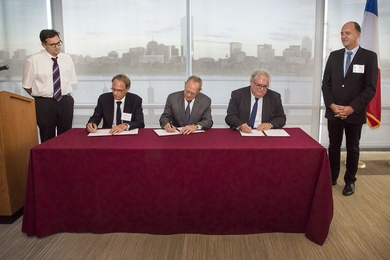
MultiScale Material Science for Energy and Environment research partnership could reduce the carbon footprint of materials such as concrete.
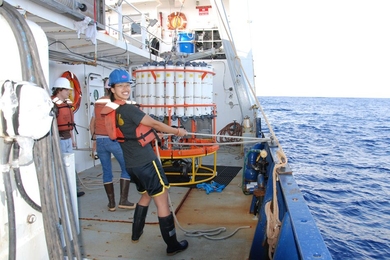
More anthropogenic carbon in the northeast Pacific means weaker shells for many marine species.
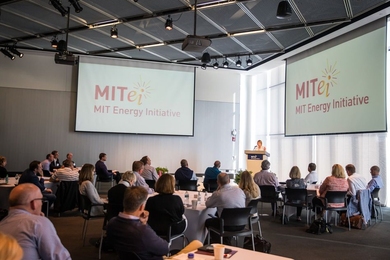
GE’s membership marks continued progress on goals of MIT’s Plan for Action on Climate Change to engage industry in solving global challenges.
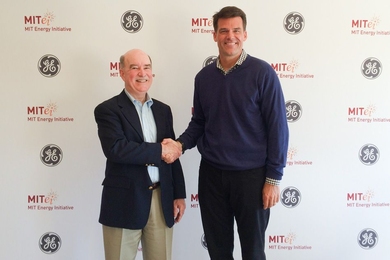
GE commits to five-year, $7.5 million membership, including participation in MITEI’s Low-Carbon Energy Centers.
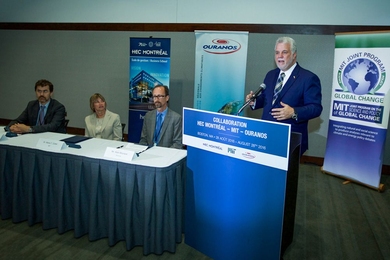
Focusing on New England/Québec Region, Québec premier and MIT vice president for research speak at Boston signing ceremony; Hydro-Québec CEO pledges funding.
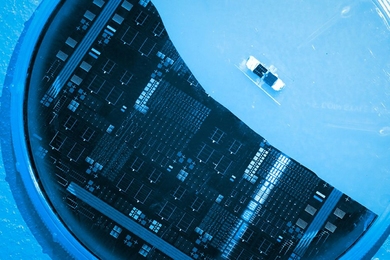
Exposed in step-like formation, layers of new photovoltaic cell harvest more of sun’s energy.

Electric vehicles can meet drivers’ needs enough to replace nearly 90 percent of vehicles now on the road.
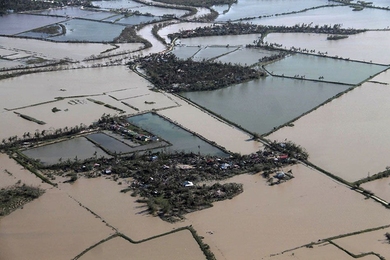
New method to track the impact of typhoons and other natural disasters could enable more precise, timely delivery of food aid.
Approach could lower cost and eliminate need for antibiotics during biofuel production.

Environmental Solutions Initiative’s new director discusses sustainable development, student engagement, and making Baker House his home.
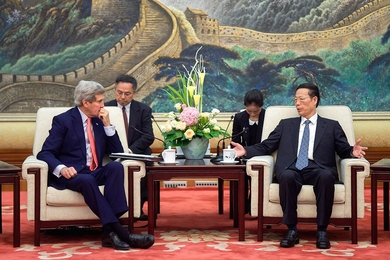
Linking emissions trading systems in developed and developing countries could yield environmental, economic benefits.

New interdisciplinary centers will advance clean technology in key areas.
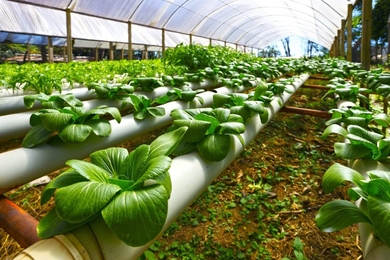
New professional education program on agriculture, innovation, and the environment attracts global agricultural leaders to MIT.