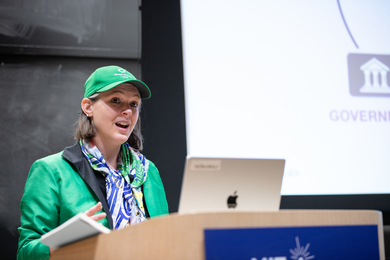
The power of “and” in energy and climate entrepreneurship
Greentown Labs CEO Georgina Campbell Flatter emphasizes the importance of collaboration in the entrepreneurship space, and the role that universities play in this landscape.
Greentown Labs CEO Georgina Campbell Flatter emphasizes the importance of collaboration in the entrepreneurship space, and the role that universities play in this landscape.
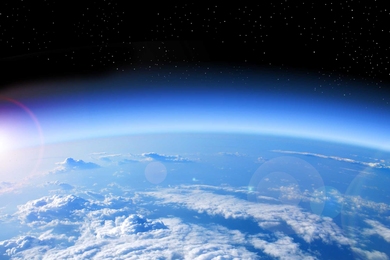
Scientists say an exception in the Montreal Protocol for the use of ozone-depleting feedstocks could set the ozone recovery back seven years.
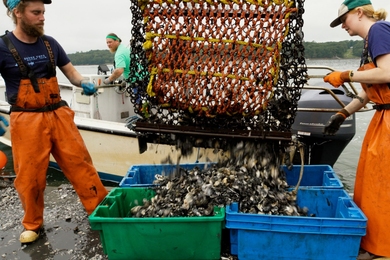
A chemical-free approach to balancing ocean acidity protects marine life and could dramatically impact the global aquaculture market.
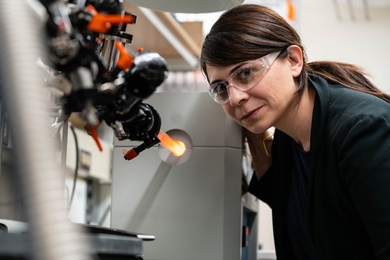
Faculty member in civil and environmental engineering will advance research and entrepreneurial initiatives across the School of Engineering.
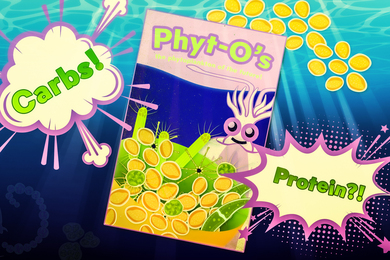
With warmer ocean temperatures, the composition of marine plankton could shift from protein-rich to carb-heavy, a new study suggests.
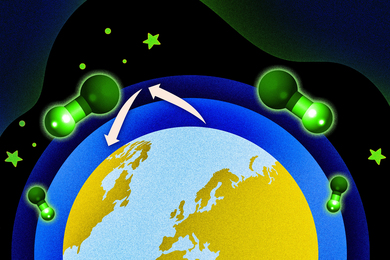
A new model shows how levels of the “atmosphere’s detergent” may rise and fall in response to climate change.
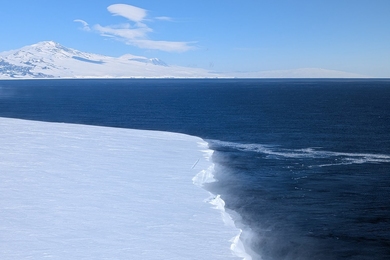
Observations suggest a major melting event at the Ross Ice Shelf was connected to atmospheric turbulence.

Madison Goldberg, the new host of the Ask MIT Climate podcast, talks about her career as a science communicator as well as ideas she thinks it’s important for climate communicators to convey.
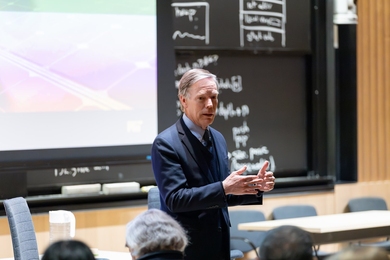
At MIT, former U.S. ambassador to China Nicholas Burns highlights climate change as an area for diplomatic engagement, while exploring areas including China's emphasis on STEM education.

MIT researchers uncovered the roles of bacterial species from the environment as they consume biodegradable plastic.
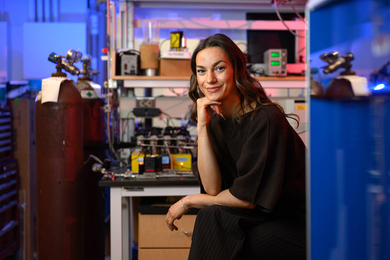
PhD student Audrey Parker studies methane mitigation strategies in dairy farms and coal mines, to reduce emissions of the potent greenhouse gas.
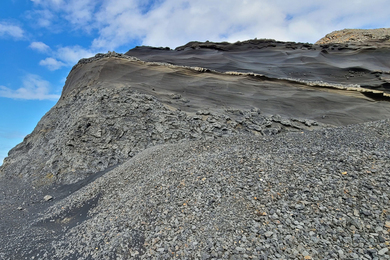
New research by MIT geophysicists could assist efforts to remove carbon from the atmosphere and store it underground.
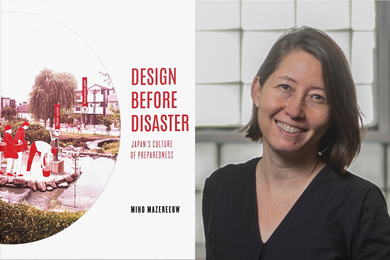
Japan incorporates more disaster planning into its buildings and public spaces than any other nation. Miho Mazereeuw’s new book explains how they do it.
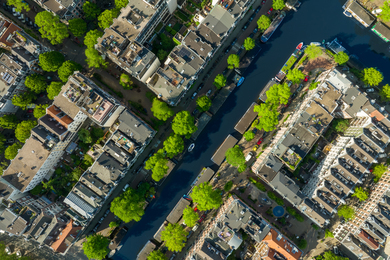
An international study reveals disparities in urban shade levels, exacerbating the “heat island” effect in big cities.
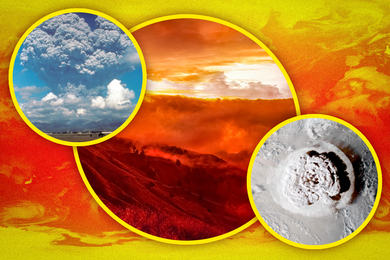
In research that could help elucidate humans’ role in global warming, scientists showed how three major natural events impacted global atmospheric temperatures.