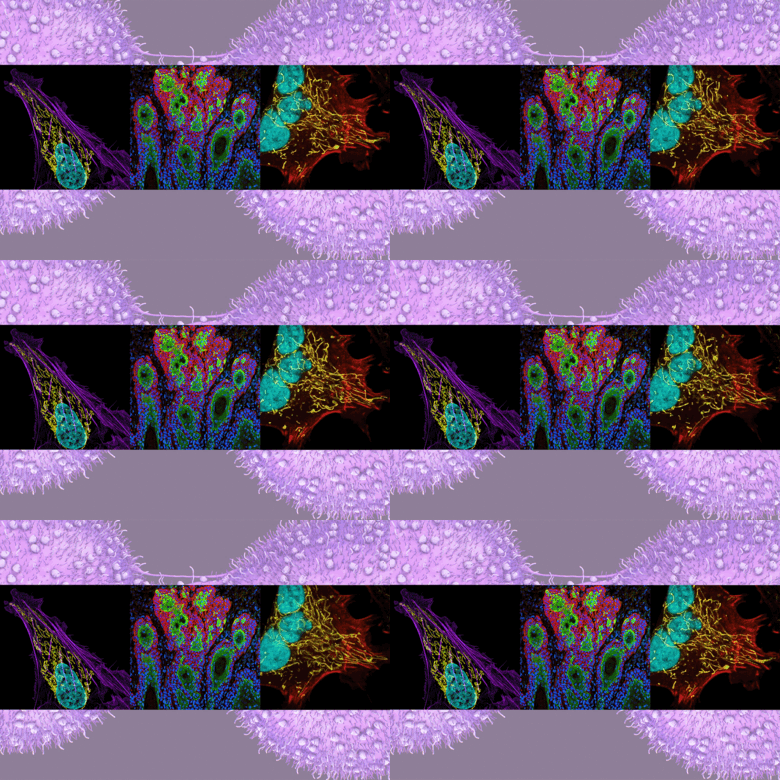
Scientists unveil more than 600 new tissue models of human cancer
Derived from patient tumor samples and available to researchers around the world, the cells will aid the development of new cancer treatments.
Derived from patient tumor samples and available to researchers around the world, the cells will aid the development of new cancer treatments.
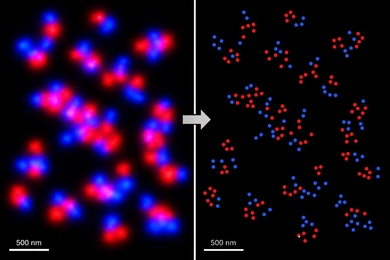
New U-STORM imaging technology lets scientists view molecular structures in subatomic detail — about 1,000 times clearer than traditional dyes — while making the microscope process much simpler.
“Scientific American” showcases the history and future of America’s scientific engine, highlighting promising young scientists and icons at MIT and beyond.
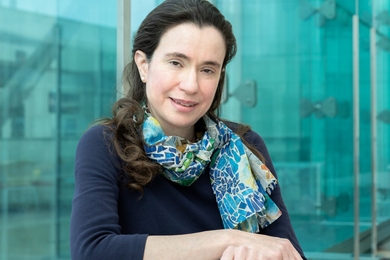
Heiman, who studies neurodegenerative diseases such as Huntington’s and Parkinson’s, will lead the institute beginning July 1.
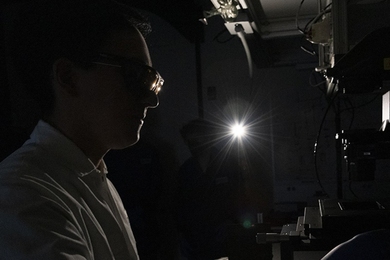
Researchers can now use custom-built microscopy and nanotechnology to tag and follow the activity of individual proteins in real-time.
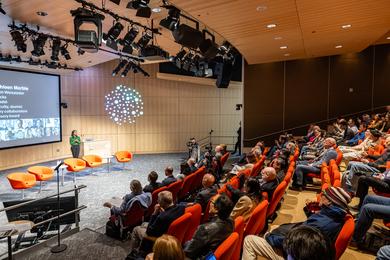
The MIT Marble Center for Cancer Nanomedicine looks back at 10 years of turning big ideas about nanotechnology into transformative advances for cancer patients.
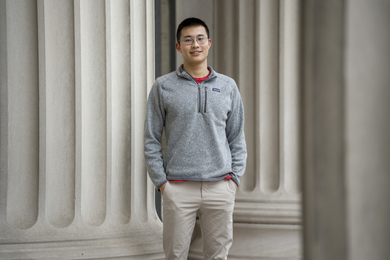
As an aspiring physician-scientist and editor-in-chief of The Tech, MIT senior Alex Tang has found inspiration in the lives of patients and others in his community.
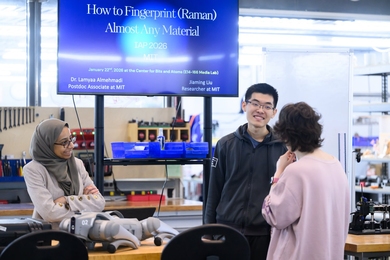
Participants learn how laser “fingerprinting” can help identify materials in fields ranging from law enforcement to art restoration.
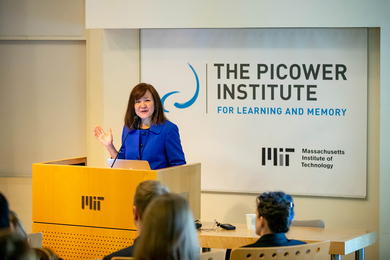
Tsai, who has grown the MIT neuroscience institute, will increase focus on research including Alzheimer’s disease and Down syndrome.

Offering substantial prize funding alongside workshops, classes, and mentorship, the initiative helps translate early-stage biotech research into venture-ready innovation.

By providing holistic information on a cell, an AI-driven method could help scientists better understand disease mechanisms and plan experiments.
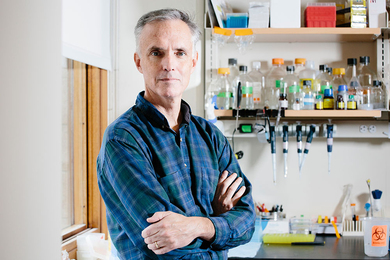
Professor James Collins discusses how collaboration has been central to his research into combining computational predictions with new experimental platforms.
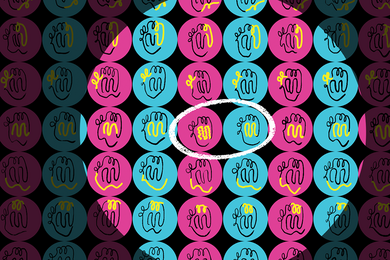
Researchers uncover a hidden mechanism that allows cancer to develop aggressive mutations.
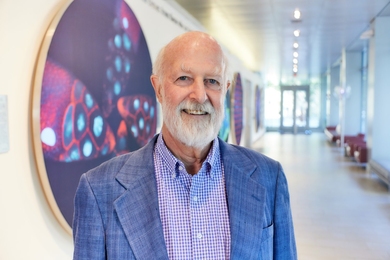
Professor, mentor, and leader at MIT for more than 50 years shaped fundamental understandings of cell adhesion, the extracellular matrix, and molecular mechanisms of metastasis.
New research demonstrates how AI models can be tested to ensure they don’t cause harm by revealing anonymized patient health data.