
Seeking the neurological roots of conflict
MIT neuroscientists explore how longstanding conflict influences empathy for others.
MIT neuroscientists explore how longstanding conflict influences empathy for others.
Cognitive scientists develop a new take on an old problem: why human language has so many words with multiple meanings.

New research from MIT neuroscientists helps explain how the brain makes this decision.
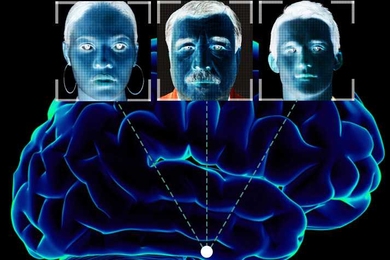
Neuroscientists identify face-recognition areas based on what parts of the brain they link to.

One gene appears to regulate the brain’s ability to form new memories.
Creates the Simons Center for the Social Brain
Neuroscientists find that two rare autism-related disorders are caused by opposing malfunctions in the brain.
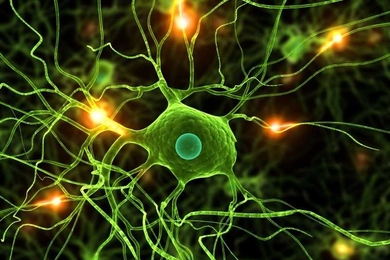
MIT neuroscientists show that a gene linked with schizophrenia and bipolar disorder impairs early brain development.

New computer chip models how neurons communicate with each other at synapses.

Neuroscientist looks forward to collaborative studies of visual perception in the brain and its computational applications.

Researchers improve the efficiency of devices that stimulate damaged nerves, reducing potential side effects.
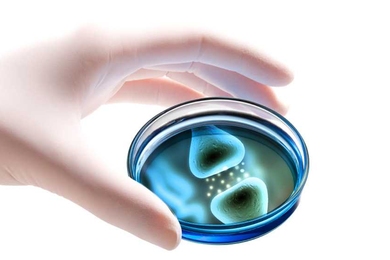
New technology helps scientists discover drugs to strengthen synapses.

New study from MIT neuroscientists finds that brain waves shift frequency as a new task becomes routine.