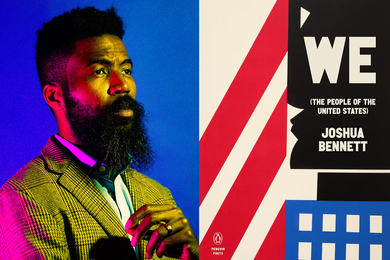
“We the People” depicts inventors, dreamers, and innovators in all 50 states
For the 250th anniversary of the US, Joshua Bennett’s epic poem set celebrates unexpected lives forged across the nation.
For the 250th anniversary of the US, Joshua Bennett’s epic poem set celebrates unexpected lives forged across the nation.
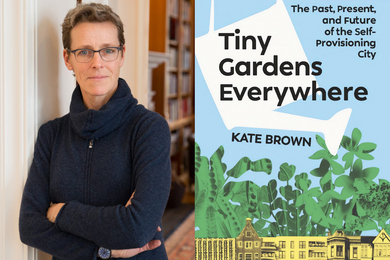
Kate Brown’s book, “Tiny Gardens Everywhere,” examines the hidden history of urban farming, its extensive use, and the politics of growing food.
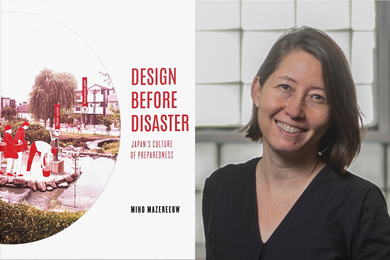
Japan incorporates more disaster planning into its buildings and public spaces than any other nation. Miho Mazereeuw’s new book explains how they do it.
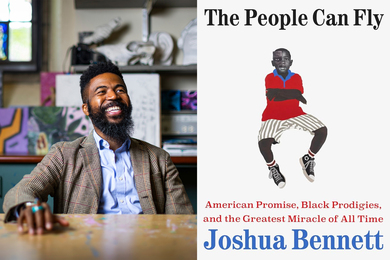
Joshua Bennett’s new book profiles American prodigies, examining the personal and social dimensions of cultivating promise.
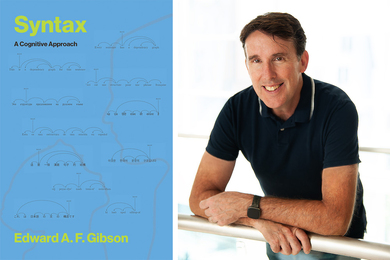
A new book by Professor Ted Gibson brings together his years of teaching and research to detail the rules of how words combine.
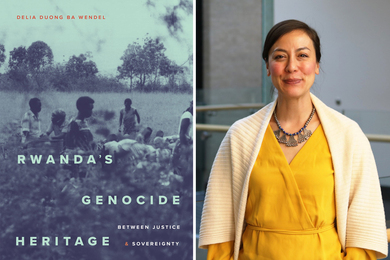
Delia Wendel’s new book illuminates a painful and painstaking effort by citizens to bear witness to atrocities.
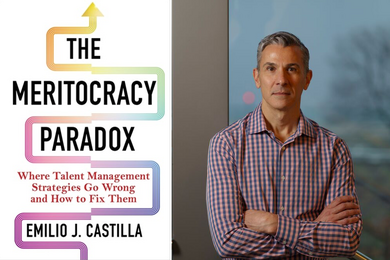
Professor Emilio Castilla explains how bias can creep into employers’ talent management processes — and what leaders can do to make their organizations fairer and more meritocratic.
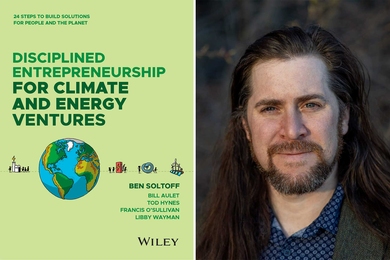
A new book by experts at the Martin Trust Center for MIT Entrepreneurship offers 24 steps to success.
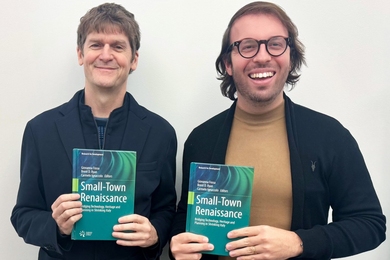
A new book providing a roadmap for blending innovation with tradition among shrinking towns blossomed from a practicum in the MIT Department of Urban Studies and Planning.

In “American Independence in verse,” MIT philosopher Brad Skow uses poems to explore the American Revolution from multiple perspectives.
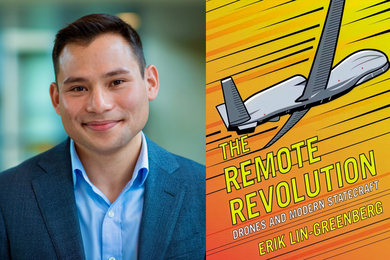
A new book by scholar and military officer Erik Lin-Greenberg examines the evolving dynamics of military and state action centered around drones.
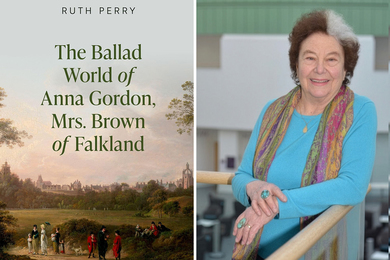
Ruth Perry’s new book profiles Anna Gordon, a Scotswoman who preserved and transmitted precious popular ballads, and with them national traditions.

MIT’s Teaching Systems Lab, led by Associate Professor Justin Reich, is working to help educators by listening to and sharing their stories.

First-of-its-kind handbook serves as a guide for design safety for civilian nuclear ships.
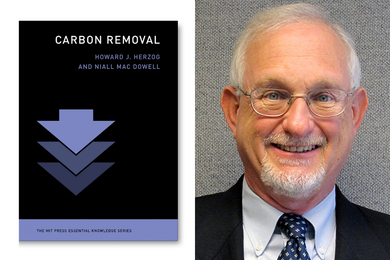
In “Carbon Removal,” Howard Herzog and Niall MacDowell assess proposed methods of removing carbon already in the atmosphere as a means of mitigating climate change.