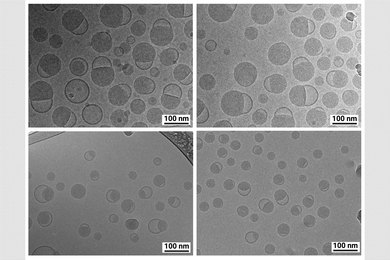
A new technique could accelerate the development of RNA therapies
MIT chemical engineers found a way to rapidly produce lipid nanoparticles of varying sizes, which could make it easier to develop new vaccines and therapeutics.
MIT chemical engineers found a way to rapidly produce lipid nanoparticles of varying sizes, which could make it easier to develop new vaccines and therapeutics.
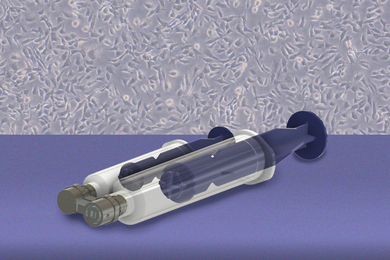
MIT researchers developed a handheld system that gently collects living cells from patient samples to aid cancer testing and development of personalized medicines.
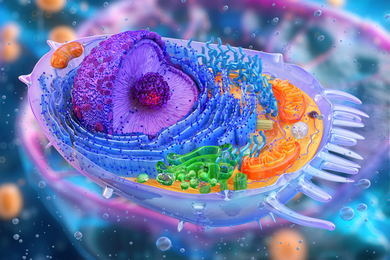
Tracking down senescent cells, which accumulate as we age, could help diagnose age-related disorders and guide researchers working on new treatments.
Novel research expands scientific understanding of how RNA shapes the reading of genetic information.
Faculty members and researchers were honored in recognition of their scholarship, service, and overall excellence.

In the new method, cells package and export their RNA, enabling researchers to sequence and analyze the RNA without killing the cells.

Led by Andee Wallace PhD ’20, Robigo uses cutting-edge biotechnology to engineer microbes to fight pests, reducing the need for harmful chemical pesticides.
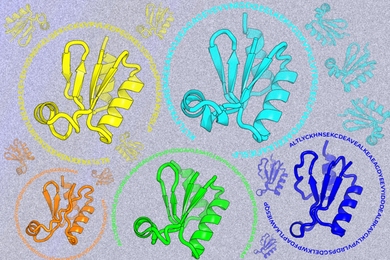
A new machine-learning framework aims to improve the success rate of computational protein design while moving away from results that reproduce sequences found in nature.
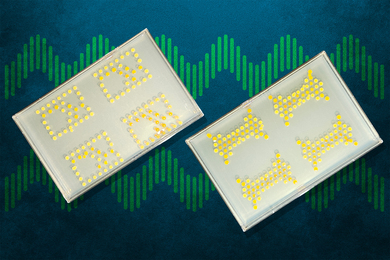
By wiring together colonies of these bacteria, the researchers built circuits that can perform complicated calculations.
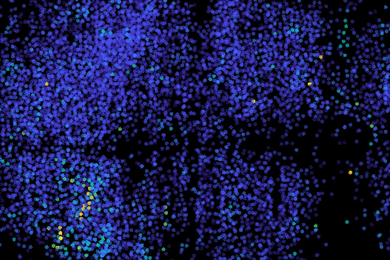
The new technique could help scientists learn how the entire brain works to generate decisions and emotions.

Longtime professors and experts in the fields of anesthesiology, aerospace engineering, and biological engineering, respectively, receive MIT’s highest faculty honor.
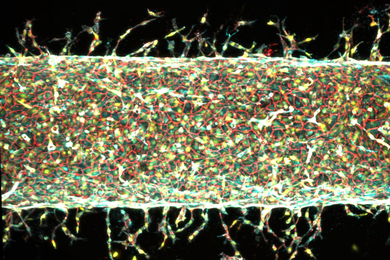
Gently stretching and pulling a “blood vessel on a chip” encourages controlled sprouting of new vessels, for possible use in artificial tissues or organs.

Biology PhD student Giselle Valdes studies stem cell regeneration while encouraging aspiring students and researchers.
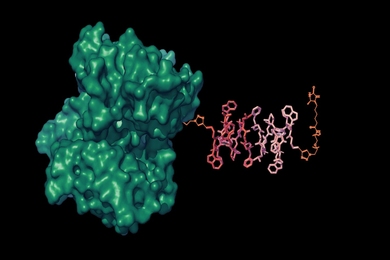
New MRI sensors developed at MIT sensitively detect target molecules in the brain and body.
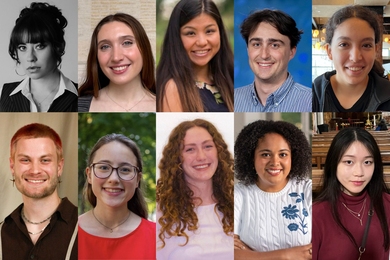
This year, over half of MIT’s Fulbright applicants won awards. The current students and alumni will embark on research projects and teaching abroad in 2026-27.