Engineering superpowered organisms for a more sustainable world
MIT students explore algal water purifiers, programmable soil bacteria, and other biological engineering approaches to food and water security.
MIT students explore algal water purifiers, programmable soil bacteria, and other biological engineering approaches to food and water security.
C3.ai Digital Transformation Institute awards $5.4 million to top researchers to steer how society responds to the pandemic.
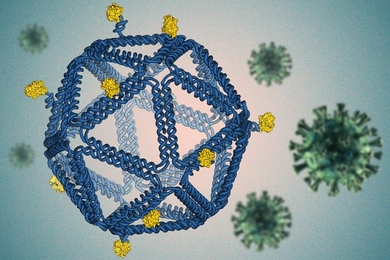
In lab tests, virus-like DNA structures coated with viral proteins provoke a strong immune response in human B cells.
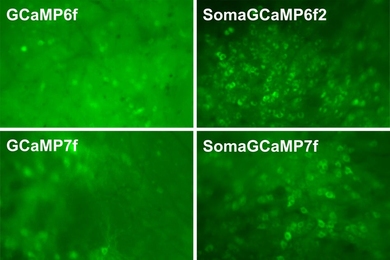
New molecule for imaging calcium in neurons reduces crosstalk from neighboring neurons.
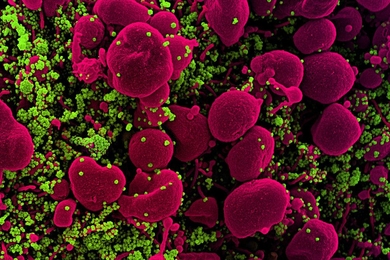
Computational modeling yields a protein fragment that could bind to coronavirus spike proteins and destroy them.
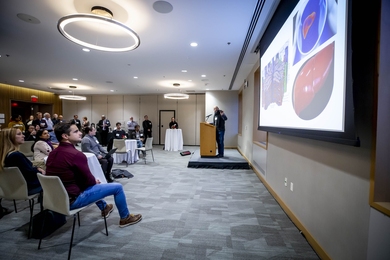
Research projects will harness the power of artificial intelligence to positively impact human health.
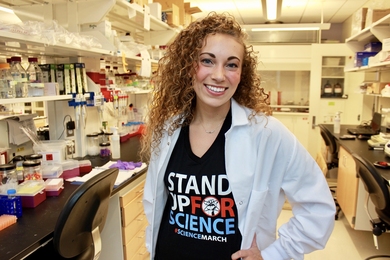
A new platform that precisely quantifies antigens presented on cell surfaces may help researchers and clinicians improve the effectiveness of cancer immunotherapies.
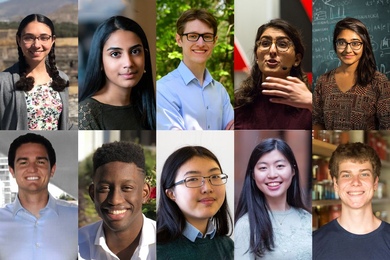
Graduating seniors and recent alumni will spend upcoming year abroad on Fulbright grants.
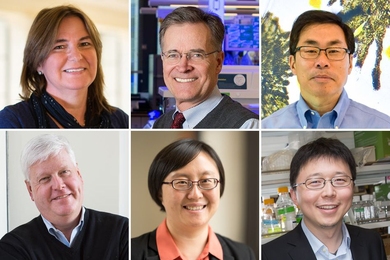
Multi-institutional MassCPR initiative announces more than $16.5 million to support 62 Boston-area projects.
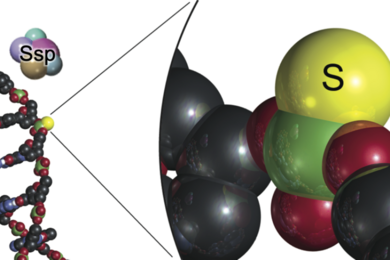
Discovery explains why some bacteria have been able to defend against phage therapy, opens new ways to overcome existing challenges.
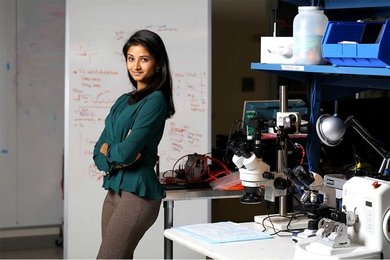
Students around the country recognized for innovative solutions to better single-use plastic, spacecraft and aircraft fuel gauges, surgery techniques, and more.

MIT professor and intensivist/trauma surgeon explains the new challenges that Covid-19 brings to treating patients in acute respiratory distress.
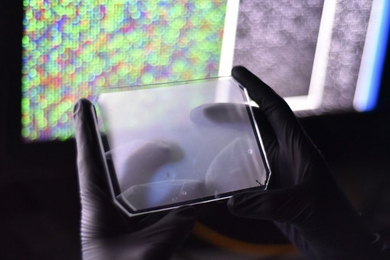
Diagnostic platform CARMEN combines microfluidics with CRISPR-based detection technology SHERLOCK, and could one day be used for public health efforts.
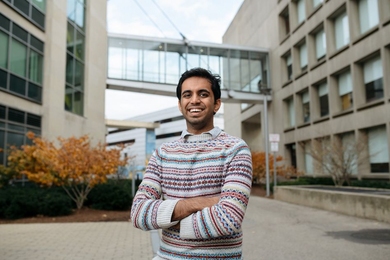
At MIT, senior Tarun Kamath has explored neuroscience and science policy, while helping his peers find ways to reduce stress.
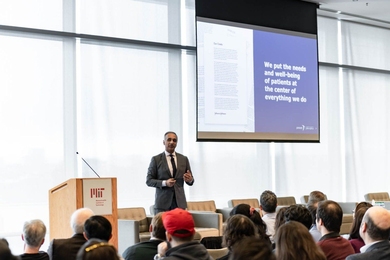
Inaugural AI Powered Drug Discovery and Manufacturing Conference drew pharmaceutical companies, government regulators, and pioneering drug researchers.