
Teasing out malaria’s genetic secrets
Biological engineer’s new approach to studying gene control could lead to new drug targets.
Biological engineer’s new approach to studying gene control could lead to new drug targets.

One of the highest honors in the fields of health and medicine

The grants are designed to promote risky, innovative research with the potential to transform a field of study.
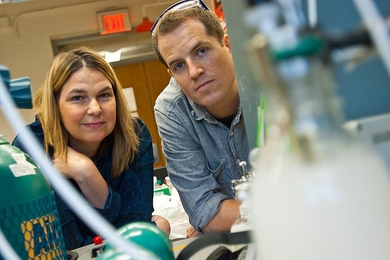
MIT biological engineers have found a way to convert carbon-dioxide emissions to useful building materials, using genetically altered yeast.
Undergraduates invited to conduct hands-on research with MIT faculty
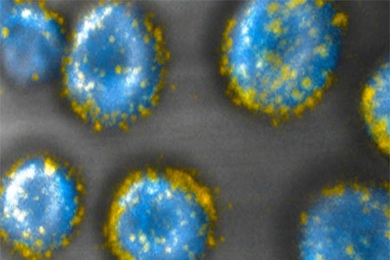
Drugs encapsulated in new MIT nanoparticles can hitch a ride to tumors on the surface of immune-system cells.
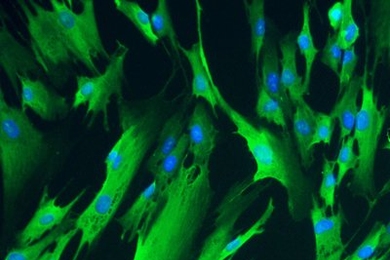
New technique holds promise to revert cells to an immature state that can develop into any cell type.
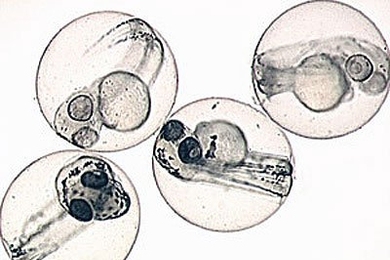
New MIT technology allows high-speed study of zebrafish larvae, often used to model human diseases.
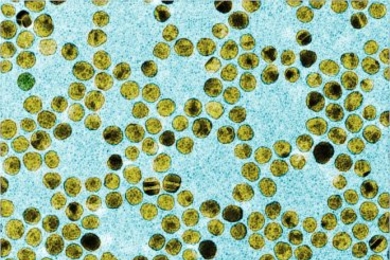
Engineers turn a drawback — the stickiness of gold nanoparticles — into an advantage.
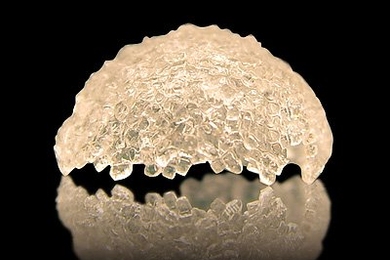
Tissue engineers create a new way to assemble artificial tissues, using ‘biological Legos’ — cells transformed into bricks.
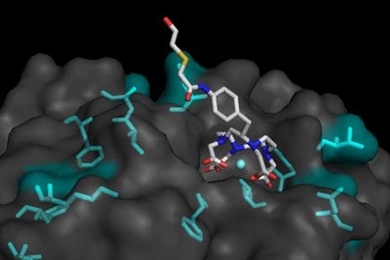
Speeding up protein evolution in the lab can yield useful molecules that nature never intended.

MIT researchers discover the DNA responsible for creating fossil-like molecules found in ancient rocks.

Technology offers a new way to test potential cancer drugs, detect effects of hazardous agents in our environment.
Will be used to examine globalization and regulatory compliance