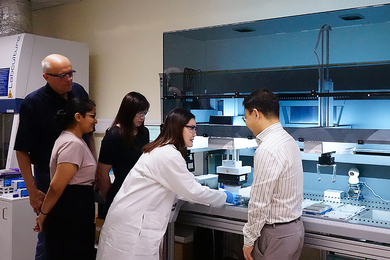
A new understanding of how enzymes influence bacterial protein production
Novel research expands scientific understanding of how RNA shapes the reading of genetic information.
Novel research expands scientific understanding of how RNA shapes the reading of genetic information.
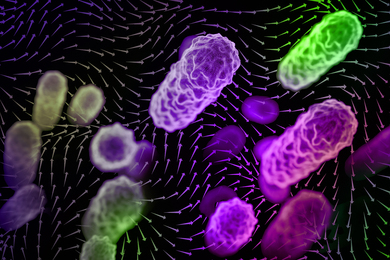
Researchers explore how a key factor can mitigate or promote tuberculosis transmission.

By wiring together colonies of these bacteria, the researchers built circuits that can perform complicated calculations.

As sea levels rise and saltwater seeps into freshwater, stressed aquatic populations may retain overall growth even as diversity declines, MIT scientists find.
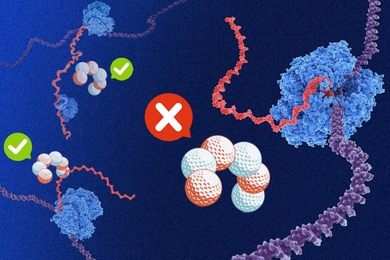
In certain species of bacteria, the answer lies in shielding RNA transcripts from a quality-control factor called Rho. Understanding the requirements for expressible sequences is critical for expression engineering of therapeutic agents.
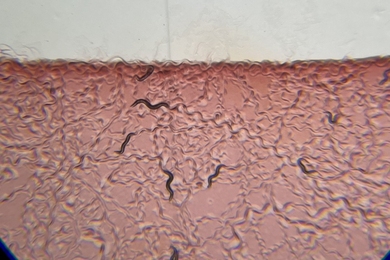
Neural interaction with bacteria has important effects on animal brains. A new study investigates how neurons sense bacteria by revealing, in nematodes, the bacterial signals that a key neuron detects.
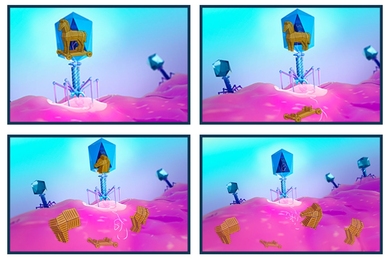
SNIPE, a newly characterized biological defense system, directly protects bacteria by chopping up invading viral DNA.
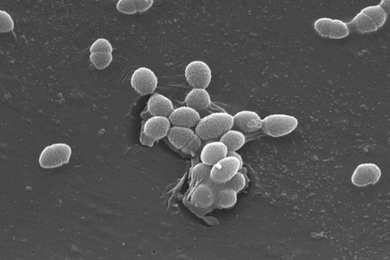
Study finds a common bacterium can suppress the body’s early warning system in wounds, causing infections to persist and create an environment that allows other bacteria to take hold.
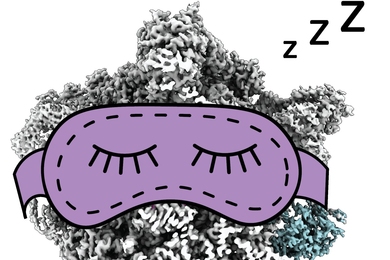
The method allows researchers to observe biomolecular complexes in a quick, accurate, and budget-friendly way, providing new insights into bacterial protein synthesis.

MIT researchers uncovered the roles of bacterial species from the environment as they consume biodegradable plastic.
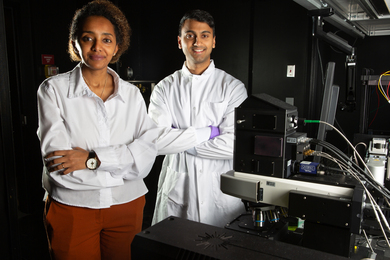
The technology could enable fast, point-of-care diagnoses for pneumonia and other lung conditions.
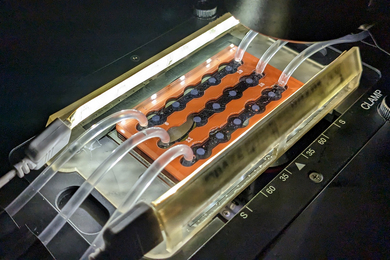
A new study finds hitchhiking bacteria dissolve essential ballast in ubiquitous “snow” particles, which could counteract the ocean’s ability to sequester carbon.
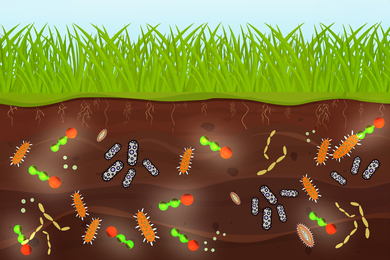
While some N2O is produced naturally at the plant root, agricultural practices can increase its levels, to the detriment of some microbes that support plant growth.
Professor James Collins discusses how collaboration has been central to his research into combining computational predictions with new experimental platforms.
By analyzing how Myobacterium tuberculosis interacts with the immune system, the associate professor hopes to find new vaccine targets to help eliminate the disease.