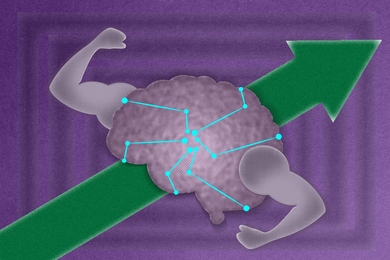
Guided learning lets “untrainable” neural networks realize their potential
CSAIL researchers find even “untrainable” neural nets can learn effectively when guided by another network’s built-in biases using their guidance method.
CSAIL researchers find even “untrainable” neural nets can learn effectively when guided by another network’s built-in biases using their guidance method.

MIT-IBM Watson AI Lab researchers developed an expressive architecture that provides better state tracking and sequential reasoning in LLMs over long texts.

The AI-powered tool could inform the design of better sensors and cameras for robots or autonomous vehicles.
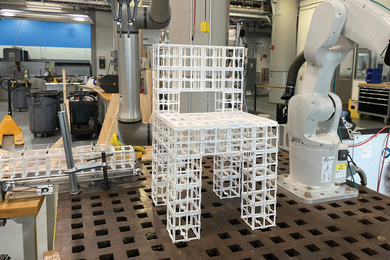
An AI-driven system lets users design and build simple, multicomponent objects by describing them with words.
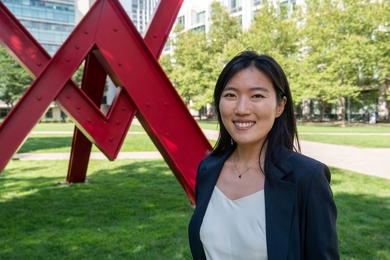
Assistant Professor Yunha Hwang utilizes microbial genomes to examine the language of biology. Her appointment reflects MIT’s commitment to exploring the intersection of genetics research and AI.
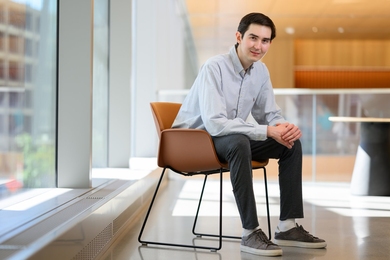
Nuclear waste continues to be a bottleneck in the widespread use of nuclear energy, so doctoral student Dauren Sarsenbayev is developing models to address the problem.
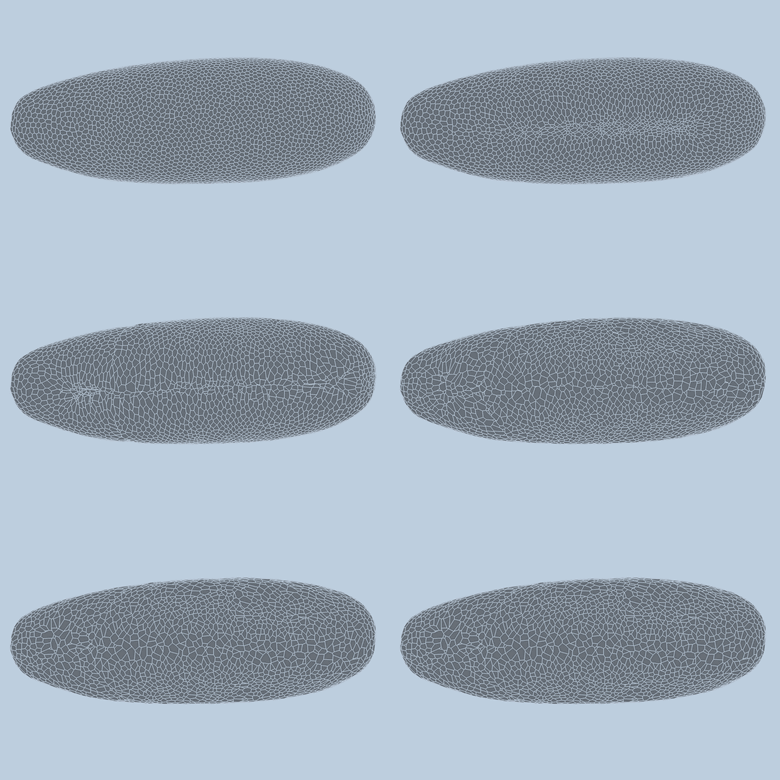
The approach could apply to more complex tissues and organs, helping researchers to identify early signs of disease.

The “self-steering” DisCIPL system directs small models to work together on tasks with constraints, like itinerary planning and budgeting.

The new certificate program will equip naval officers with skills needed to solve the military’s hardest problems.

The technique can help scientists in economics, public health, and other fields understand whether to trust the results of their experiments.

By stacking multiple active components based on new materials on the back end of a computer chip, this new approach reduces the amount of energy wasted during computation.

Postdoc Zongyi Li, Associate Professor Tess Smidt, and seven additional alumni will be supported in the development of AI against difficult problems.

The speech-to-reality system combines 3D generative AI and robotic assembly to create objects on demand.
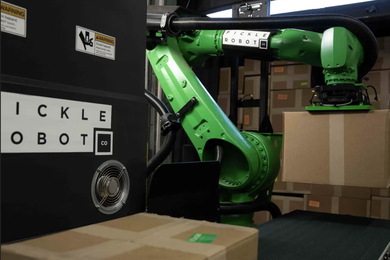
Founded by MIT alumni, the Pickle Robot Company has developed machines that can autonomously load and unload trucks inside warehouses and logistic centers.

This new technique enables LLMs to dynamically adjust the amount of computation they use for reasoning, based on the difficulty of the question.