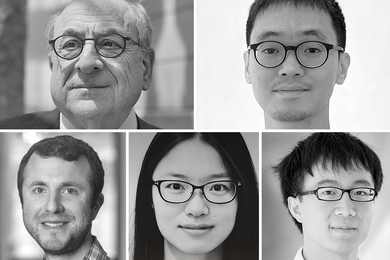
MIT affiliates win 2026 Breakthrough, New Horizons prizes
Faculty member Shu-Heng Shao, in addition to four MIT alumni, are honored by the Breakthrough Prize Foundation.
Faculty member Shu-Heng Shao, in addition to four MIT alumni, are honored by the Breakthrough Prize Foundation.
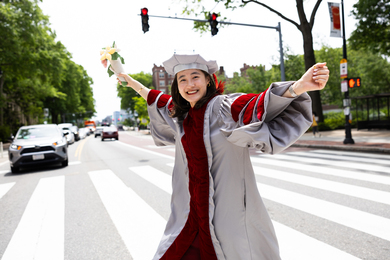
Family, friends, at least one beloved pet celebrated with the new graduates during three joyful days of Commencement exercises.
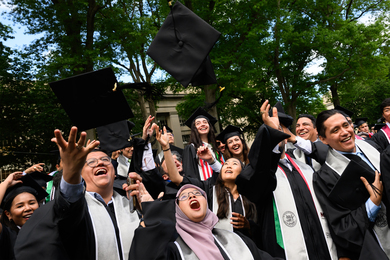
Lisa Su ’90, SM ’91, PhD ’94, Advanced Micro Devices CEO, tells graduates to apply “purpose, judgment, and courage” in their lives.
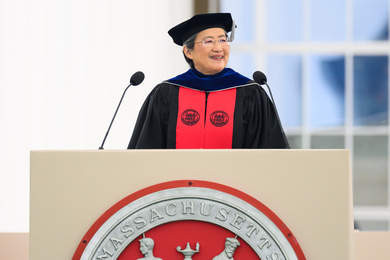
“Technology itself does not decide what the future looks like,” the chair and CEO of Advanced Micro Devices told the Class of 2026.
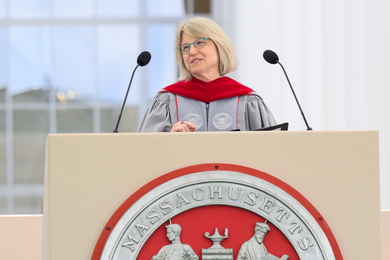
MIT’s president asked graduates help the world understand the importance of curiosity — “our intellectual rocket fuel” — to society as a whole.
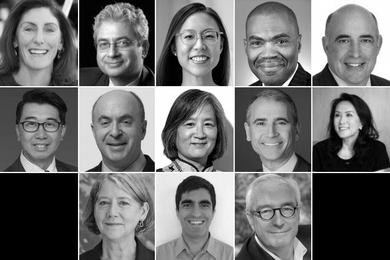
The term members will each serve five years on MIT’s board of trustees.
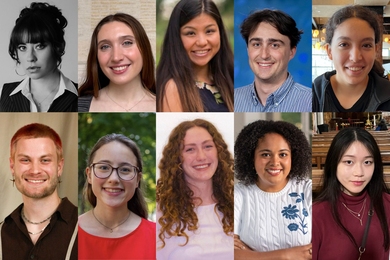
This year, over half of MIT’s Fulbright applicants won awards. The current students and alumni will embark on research projects and teaching abroad in 2026-27.

MIT.nano Immersion Lab collaborates with Emerson College students to advance the art of virtual production.
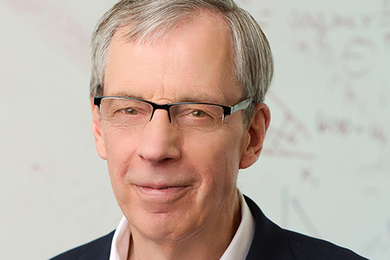
Newey has been a leading figure in econometric theory for more than four decades, shaping both research and training in the field.
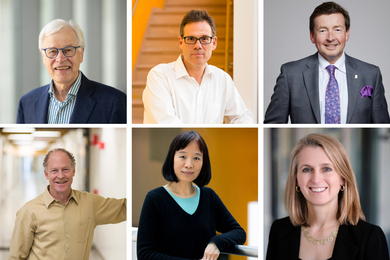
Six MIT faculty, along with 10 additional alumni, are recognized by their peers for their outstanding contributions to research in the natural and social sciences.

Computational neuroscientist Sven Dorkenwald and cell biologist Whitney Henry, along with two MIT alumni, are recognized for their exceptional early-career research contributions.
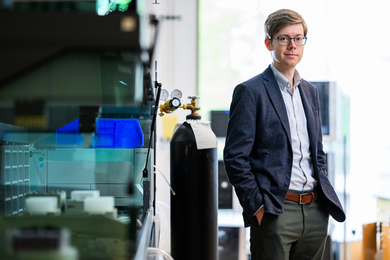
Connor Coley works at the interface of chemistry and machine learning, to discover and design new drug compounds.
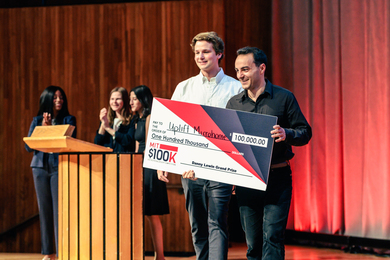
Uplift Microhome’s modular housing units can provide their own power and water, for faster deployments.
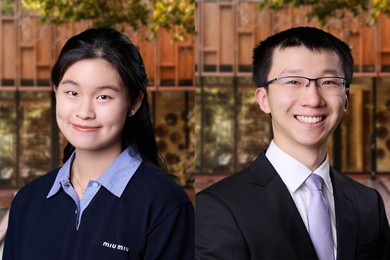
The prestigious fellowship funds graduate studies at Stanford University.
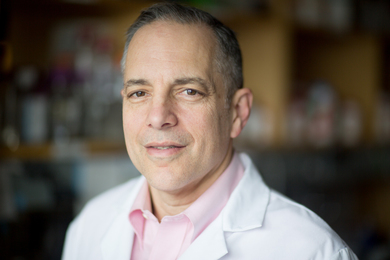
The professor of medical engineering and science is honored for medical research that has led to better treatments for cardiovascular disease.