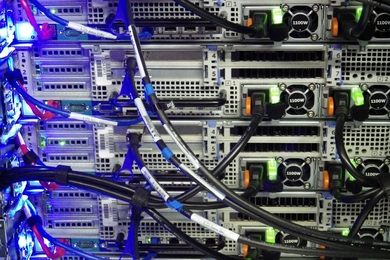
IBM gives artificial intelligence computing at MIT a lift
Nearly $12 million machine will let MIT researchers run more ambitious AI models.
Nearly $12 million machine will let MIT researchers run more ambitious AI models.
MIT system “learns” how to optimally allocate workloads across thousands of servers to cut costs, save energy.

“Risk-aware” traffic engineering could help service providers such as Microsoft, Amazon, and Google better utilize network infrastructure.

Model replaces the laborious process of annotating massive patient datasets by hand.
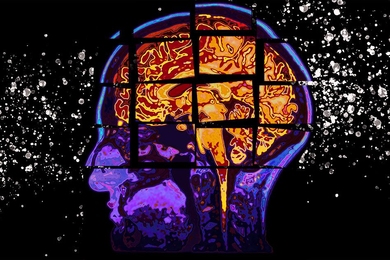
Researchers hope the system can zero in on the right patients to enroll in clinical trials, to speed discovery of drug treatments.

Two longtime friends explore how computer vision systems go awry.
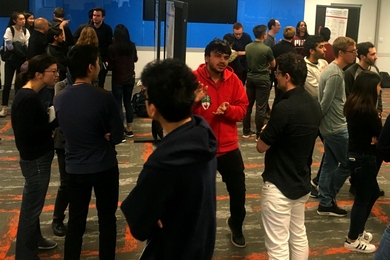
A course that combines machine learning and health care explores the promise of applying artificial intelligence to medicine.

Professor Adam Chlipala builds tools to help programmers more quickly generate optimized, secure code.

When designing actuators involves too many variables for humans to test by hand, this system can step in.

Along with studying theory, "it's also important to me that the work we are doing will help to solve real-world problems,” says LIDS student Omer Tanovic.

An MIT/IBM system could help artists and designers make quick tweaks to visuals while also helping researchers identify “fake” images.
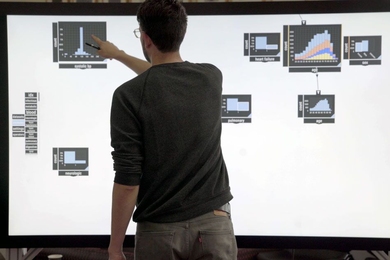
System lets nonspecialists use machine-learning models to make predictions for medical research, sales, and more.

Developed at MIT Lincoln Laboratory, IdPrism and its award-winning algorithms provide rapid analysis for complex forensic DNA samples.
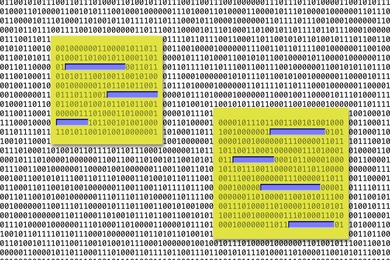
General-purpose language works for computer vision, robotics, statistics, and more.
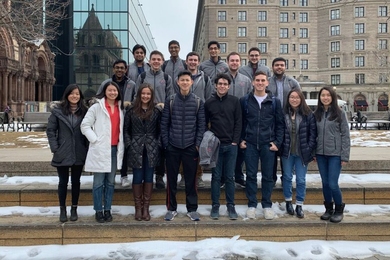
MIT Machine Intelligence Community introduces students to nuts and bolts of machine learning.