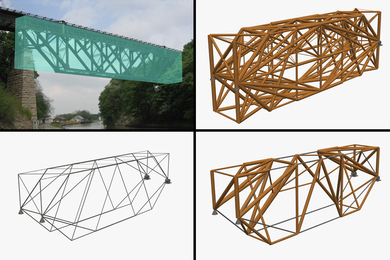
Computer model could enable bridges and buildings that use less material
MIT researchers developed an approach for generating more buildable structures, bridging the gap between optimized design and real-world construction.
MIT researchers developed an approach for generating more buildable structures, bridging the gap between optimized design and real-world construction.
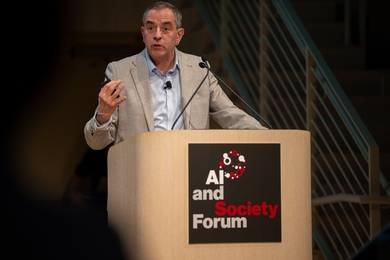
During the AI and Society Forum, leading MIT researchers examined critical questions about AI’s influence on employment and democracy.
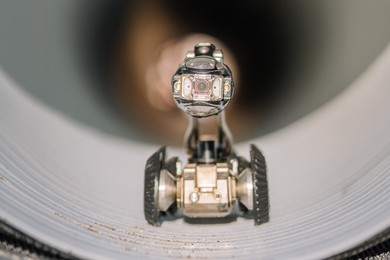
Researchers combined an efficient algorithm with dedicated hardware to rapidly generate 3D maps for navigation using minimal memory and power.
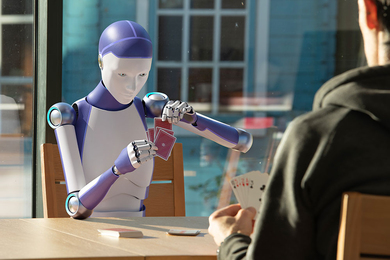
Researchers show that for certain kinds of games, an overlooked class of algorithms performs much better than expected.
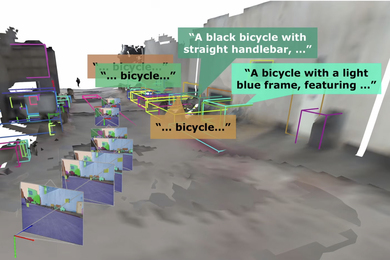
A new spatial memory system for robots efficiently captures details about the objects they see while exploring their environment.
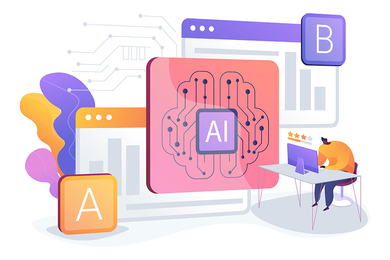
MIT researchers provide a major upgrade to the nearly century-old idea of random utility models.

IAIFI enters its second phase with increased funding, broader ambitions, and a growing community at the frontier of AI and fundamental physics.
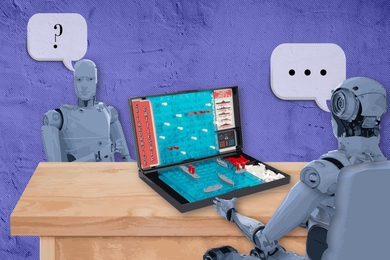
MIT researchers use the classic game as a test bed for AI agents, finding a small AI model can outperform the biggest ones at 1 percent of the cost.
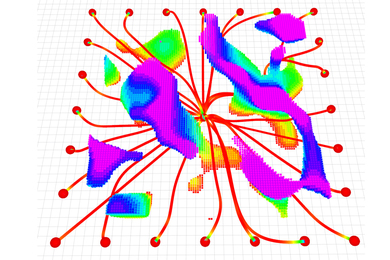
By rapidly generating a smooth path plan that cuts travel time and avoids obstacles, the open-source “MIGHTY” system could streamline disaster recovery and parcel delivery.

A new method for precisely moving columns of individual atoms within a material could give rise to exotic quantum properties.

The “MetaEase” technique provides a heads-up to potential scenarios that could cause long wait-times or outages.
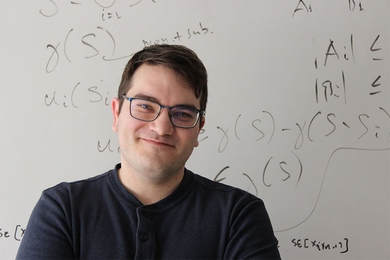
Assistant Professor Gabriele Farina mines the foundations of decision-making in complex multi-agent scenarios.
Building on a long-standing MIT–IBM collaboration, the new lab will chart the convergence of AI, algorithms, and quantum computing.

The “EnergAIzer” method generates reliable results in seconds, enabling data center operators to efficiently allocate resources and reduce wasted energy.
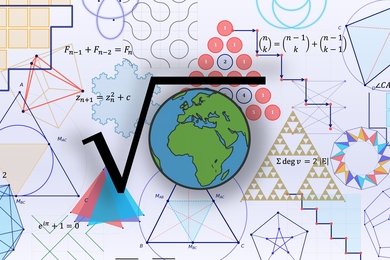
New dataset of 30,000-plus competition math problems from 47 countries gives AI researchers a harder test — and students worldwide a better training ground.