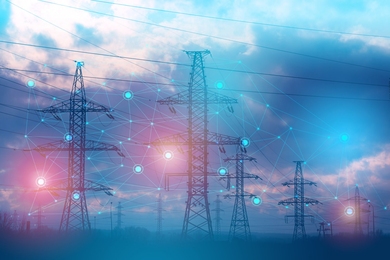
AI supports the clean energy transition as it manages power grid operations, helps plan infrastructure investments, guides development of novel materials, and more.
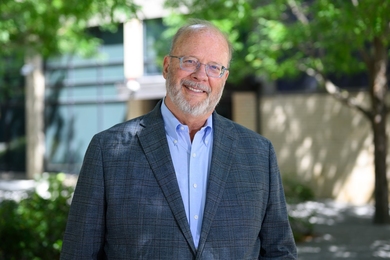
As the Norman C. Rasmussen Adjunct Professor, George Tynan is looking forward to addressing the big physics and engineering challenges of fusion plasmas.
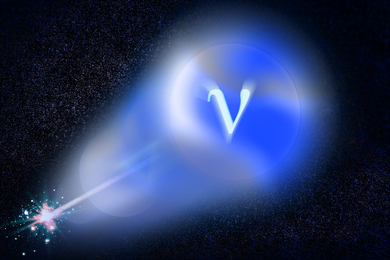
Super-cooling radioactive atoms could produce a laser-like neutrino beam, offering a new way to study these ghostly particles — and possibly a new form of communication.
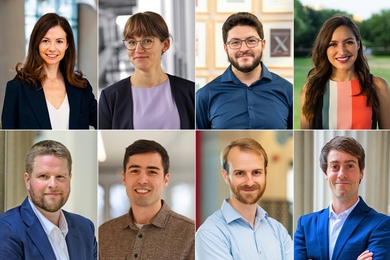
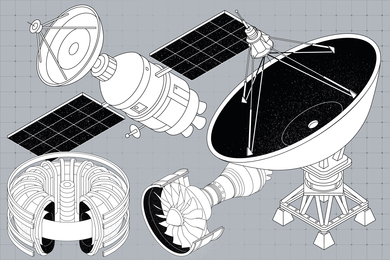
The alumni-founded startup Nominal has built a platform for building and testing complex systems like fighter jets, nuclear reactors, rockets, and robots.
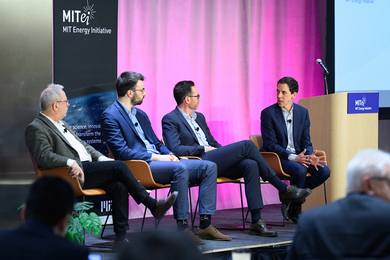
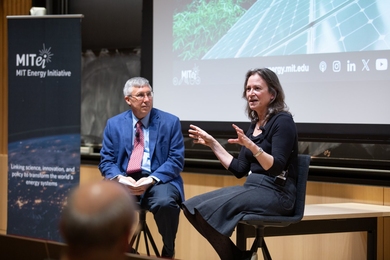
In MIT Energy Initiative speaker series, Princeton Professor Emily Carter explains the importance of climate change mitigation in the energy transition.