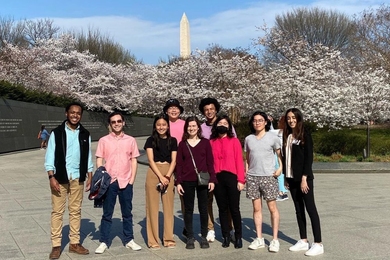
The MIT Special Program for Urban and Regional Studies has hosted more than 750 mid-career individuals from 135 nations who are or will be shaping policy in their home countries.
The fellowships provide five years of funding to doctoral students in applied science, engineering, and mathematics who have “the extraordinary creativity and principled leadership necessary to tackle problems others can’t solve.”
MIT CSAIL’s frugal deep-learning model infers the hidden physical properties of objects, then adapts to find the most stable grasps for robots in unstructured environments like homes and fulfillment centers.
The inventor, entrepreneur, and philanthropist encourages the Class of 2024 to “accept impossible missions” and “lead with imagination” in uncertain times.
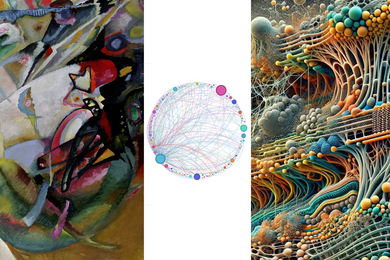
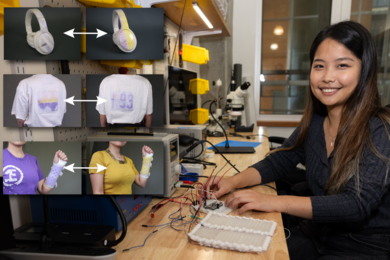
“Alchemist” system adjusts the material attributes of specific objects within images to potentially modify video game models to fit different environments, fine-tune VFX, and diversify robotic training.
The findings also reveal why identifying objects in black-and-white images is more difficult for individuals who were born blind and had their sight restored.
MIT CSAIL researchers enhance robotic precision with sophisticated tactile sensors in the palm and agile fingers, setting the stage for improvements in human-robot interaction and prosthetic technology.