The “EnergAIzer” method generates reliable results in seconds, enabling data center operators to efficiently allocate resources and reduce wasted energy.
New dataset of 30,000-plus competition math problems from 47 countries gives AI researchers a harder test — and students worldwide a better training ground.
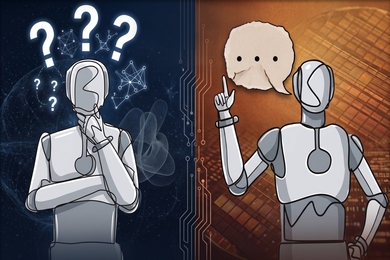
A new training method improves the reliability of AI confidence estimates without sacrificing performance, addressing a root cause of hallucination in reasoning models.
In “Priority Technologies,” MIT faculty examine key areas of innovation that can drive American prosperity and security — now and in the decades ahead.
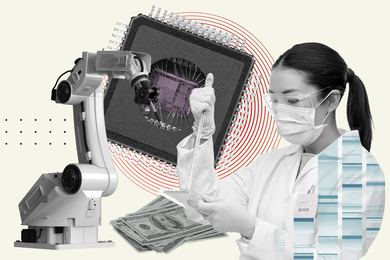
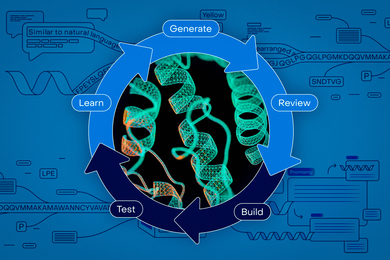
Founded by Tristan Bepler PhD ’20 and former MIT professor Tim Lu PhD ’07, OpenProtein.AI offers researchers open-source models and other tools for protein engineering.
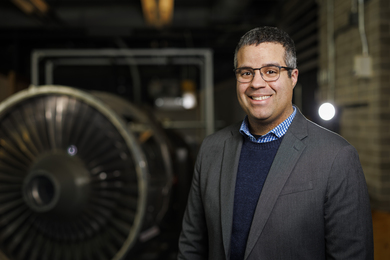
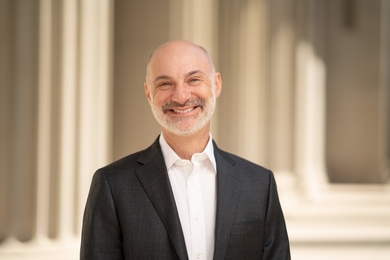
As the School of Humanities, Arts, and Social Sciences marks 75 years, Dean Agustín Rayo reflects on how AI is reshaping higher education and why SHASS disciplines continue to be central to MIT’s mission.
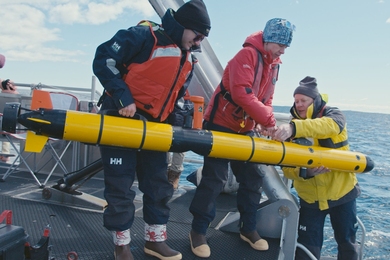
Researchers are developing hardware and algorithms to improve collaboration between divers and autonomous underwater vehicles engaged in maritime missions.
As the NC Ethics of Technology Postdoctoral Fellow, Michal Masny is advancing dialogue, teaching, and research into the social and ethical dimensions of new computing technologies.