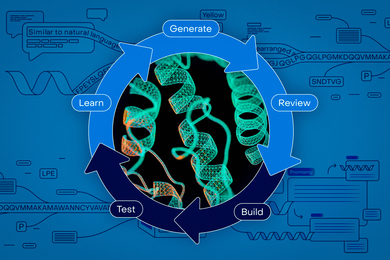
Founded by Tristan Bepler PhD ’20 and former MIT professor Tim Lu PhD ’07, OpenProtein.AI offers researchers open-source models and other tools for protein engineering.
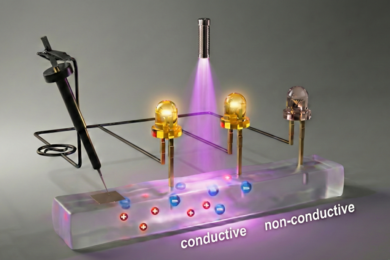
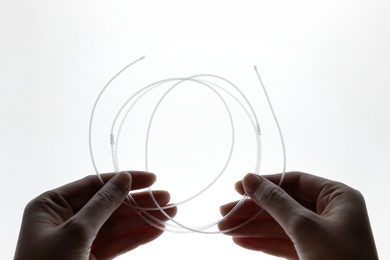
New MIT work advances the growing field of ionotronics, in which data are transferred through ions, potentially providing a bridge between electronics and biological tissue.
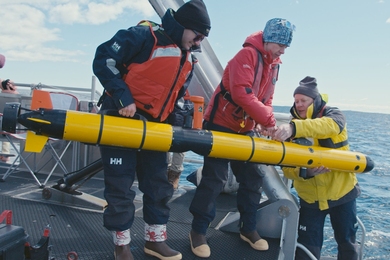
Researchers are developing hardware and algorithms to improve collaboration between divers and autonomous underwater vehicles engaged in maritime missions.
Researchers uncovered how cells selectively destroy certain microRNAs — key gene regulators — through a mechanism that requires two RNA signals working together.
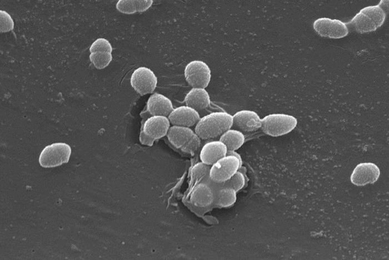
Study finds a common bacterium can suppress the body’s early warning system in wounds, causing infections to persist and create an environment that allows other bacteria to take hold.