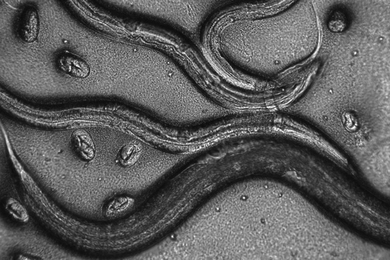
By sidestepping the need for costly interventions, a new method could potentially reveal gene regulatory programs, paving the way for targeted treatments.
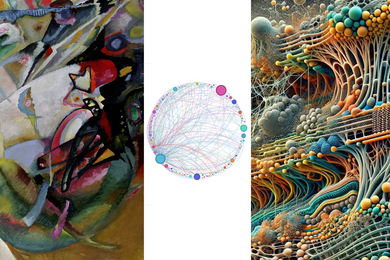
The MIT Human Insight Collaborative will elevate the human-centered disciplines and unite the Institute’s top scholars to help solve the world’s biggest challenges.
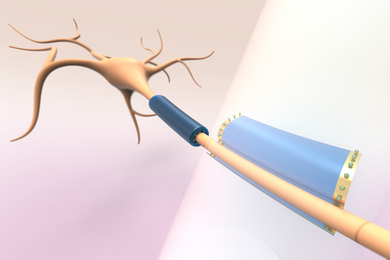
By snugly wrapping around neurons, these devices could help scientists probe subcellular regions of the brain, and might even help restore some brain function.
The new Tayebati Postdoctoral Fellowship Program will support leading postdocs to bring cutting-edge AI to bear on research in scientific discovery or music.