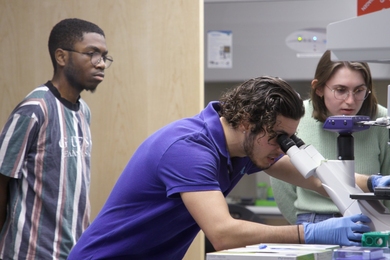
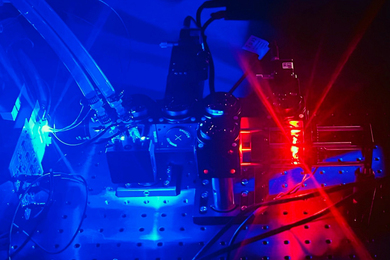
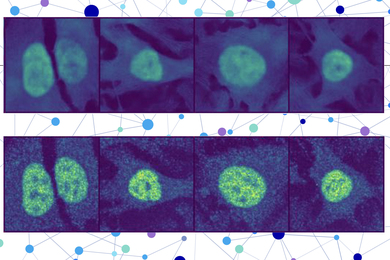
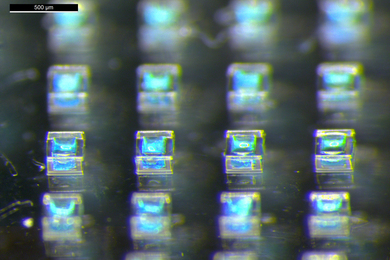
Since an MIT team introduced expansion microscopy in 2015, the technique has powered the science behind kidney disease, plant seeds, the microbiome, Alzheimer’s, viruses, and more.
A quarter century after its founding, the McGovern Institute reflects on its discoveries in the areas of neuroscience, neurotechnology, artificial intelligence, brain-body connections, and therapeutics.
By changing how atoms in a molecule are arranged relative to each other, Associate Professor Alison Wendlandt aims to create compounds with new chemical properties.
MIT historian Robin Scheffler’s research shows how local regulations helped create certainty and safety principles that enabled an industry’s massive growth.